7 Exercises to Roll Away Your Pain In 2025
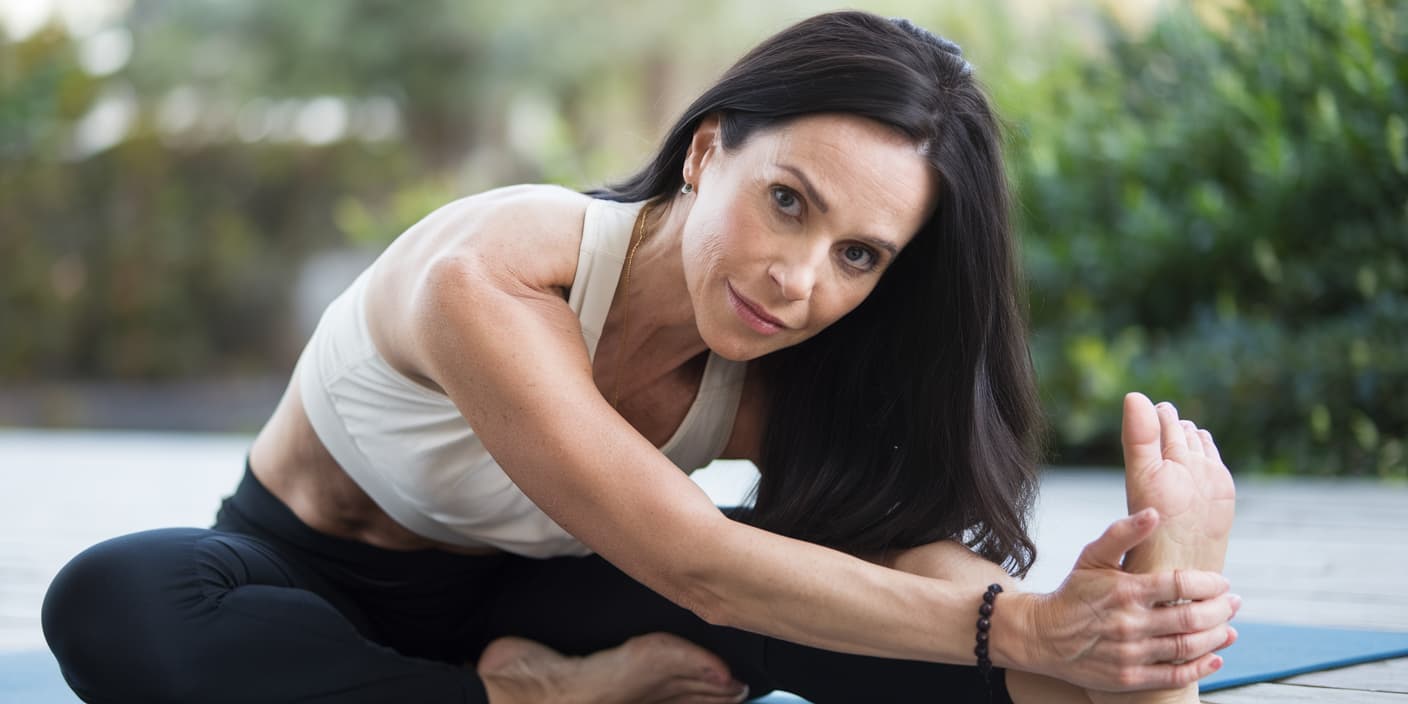
If you've ever felt that nagging muscle pain or tension, you know how it can interfere with your daily life. You might be surprised to learn that simple exercises can effectively target these discomforts and promote recovery. From foam rolling techniques to specific stretches for your hip flexors and spine, these movements can enhance your mobility and flexibility. Want to discover which exercises can make a significant difference in your routine? Let's explore the seven key exercises that could help you roll away your pain and feel more like yourself again.
Key Takeaways
- Foam rolling techniques alleviate muscle tension and enhance recovery through self myofascial release for various muscle groups.
- Regular stretching, including dynamic and static stretches, promotes relaxation and improves flexibility, reducing tension.
- Targeted stretching for hip flexors, thoracic spine, and lower back improves mobility and alleviates discomfort effectively.
- Consistent practice of rolling exercises, 2-3 times per week, significantly reduces muscle soreness and enhances recovery.
- Incorporating deep breathing with stretches and rolling techniques maximizes relaxation and muscle release benefits.
Foam Rolling Techniques

Foam rolling is a powerful tool for alleviating muscle tension and enhancing recovery. By incorporating foam rolling techniques into your routine, you can experience significant foam roller benefits, especially through self myofascial release. To get started, find a foam roller that suits your needs—either a high-density or a softer option, depending on your comfort level.
Begin with your back. Position the foam roller perpendicular to your spine, and slowly roll from the upper back to the lower back, pausing on any tight spots for 20-30 seconds. This helps release tension in the muscles along your spine.
Next, focus on your legs. For your quads, lie face down and place the roller under your thighs. Using your arms for support, roll from your hips to your knees, applying pressure as needed.
Don't forget your calves; sit on the floor with your legs extended, placing the roller under your calves. Lift your body with your hands, rolling from your ankles to your knees.
Stay aware of your body's responses, adjusting pressure and duration to avoid discomfort. Regular practice will enhance flexibility and promote quicker recovery, allowing you to stay active and pain-free.
Stretching for Tension Relief

Incorporating stretching into your routine can considerably reduce muscle tension and enhance overall flexibility. By integrating both dynamic and static stretches, you can effectively target areas of tightness and improve your range of motion. Here's how to get started:
- Dynamic Stretches: These are best performed before your workouts. They warm up your muscles and increase blood flow, preparing your body for movement. Examples include leg swings, arm circles, and torso twists.
- Static Stretches: Hold these stretches after your workout to lengthen your muscles and promote relaxation. Focus on major muscle groups like hamstrings, quadriceps, and shoulders.
- Breathe Deeply: Inhale and exhale slowly during each stretch. This helps release tension and enhances the effectiveness of the stretch.
- Listen to Your Body: Don't push through pain. If a stretch feels uncomfortable, ease off until you find a comfortable position.
- Consistency is Key: Aim to stretch at least three times a week for the best results.
Hip Flexor Stretch

Many people overlook the importance of hip flexor stretches, yet they're essential for maintaining mobility and preventing discomfort. The hip flexor anatomy consists of several key muscles, including the iliopsoas and rectus femoris, which play a significant role in activities like walking, running, and sitting.
Tight hip flexors can lead to pain and limit your range of motion, making stretching and strengthening important.
To perform a hip flexor stretch, start in a lunge position with one knee on the ground and the other foot in front, creating a 90-degree angle. Keep your torso upright and gently push your hips forward. You should feel a stretch in the front of your hip and thigh on the side with the knee down. Hold this position for 20-30 seconds, then switch sides.
Incorporating hip flexor strengthening exercises will enhance the benefits of stretching. Simple movements, like leg raises or bridges, can help support your hip flexors, promoting overall function.
Consistently practicing these stretches and exercises not only improves flexibility but also alleviates discomfort, enabling you to enjoy a more active lifestyle.
Thoracic Spine Mobility
While it's easy to overlook the thoracic spine, maintaining its mobility is essential for overall posture and spinal health.
The thoracic spine supports your upper back and shoulders, and its flexibility directly affects your ability to move freely. When you improve thoracic extension, you not only enhance upper back flexibility but also reduce the risk of pain and injury.
To boost thoracic spine mobility, consider incorporating the following exercises into your routine:
- Cat-Cow Stretch: This dynamic movement encourages thoracic extension and flexion.
- Thoracic Rotation Stretch: Sit or stand with a straight back, and twist gently to each side to increase flexibility.
- Foam Roller Extensions: Position a foam roller horizontally under your upper back, and arch over it to promote extension.
- Child's Pose: This restorative pose helps in releasing tension in the thoracic region.
- Wall Angels: Stand against a wall and slide your arms up and down, focusing on keeping your shoulders relaxed.
Calf and Ankle Roll

A few simple calf and ankle rolls can greatly enhance your lower leg mobility and alleviate tension. Understanding calf anatomy is essential, as the calf muscles, including the gastrocnemius and soleus, play a notable role in ankle mobility. When these muscles tighten, they can restrict movement, leading to discomfort.
To perform a calf roll, sit on the floor and place a foam roller under your calves. Shift your body weight onto the roller and gently roll back and forth from the knee to the ankle. Focus on any tight spots, spending extra time on areas that feel particularly tense. This technique not only releases muscle knots but also improves blood flow, promoting overall calf health.
Next, for an ankle roll, sit with your legs extended. Lift one foot off the ground and rotate your ankle in circles—first clockwise, then counterclockwise. This action increases flexibility and range of motion.
Incorporating these calf and ankle rolls into your routine can remarkably improve your lower leg mobility, keeping you active and pain-free.
Lower Back Release

How can you effectively release tension in your lower back? Addressing lower back discomfort often starts with understanding the interplay between posture correction and muscle strengthening.
By incorporating specific exercises into your routine, you can alleviate pain and enhance flexibility.
Here are some effective techniques to release tension in your lower back:
- Pelvic Tilts: Lie on your back with knees bent, gently arch and flatten your lower back against the floor.
- Knee-to-Chest Stretch: Bring one knee toward your chest while keeping the other leg extended, holding for 20-30 seconds.
- Child's Pose: Kneel on the floor, sit back on your heels, and stretch your arms forward on the ground to lengthen your spine.
- Cat-Cow Stretch: On all fours, alternate between arching your back (cat) and dipping it down (cow) to mobilize your spine.
- Hip Flexor Stretch: Lunge forward with one leg while keeping the other knee on the ground to stretch the hip flexors, which often contribute to lower back tension.
Incorporating these exercises regularly can lead to improved posture and increased muscle strength, reducing discomfort in your lower back.
Neck and Shoulder Relaxation

Many people experience tightness in their neck and shoulders due to prolonged sitting, stress, or poor posture. To alleviate this discomfort, incorporating neck stretches and shoulder rolls into your routine can be highly effective.
Start by finding a comfortable seated position. Slowly tilt your head to one side, bringing your ear toward your shoulder. Hold this stretch for 15-30 seconds, and then switch sides. This simple neck stretch helps release tension and increases flexibility.
Next, practice shoulder rolls to further ease tightness. Sit up straight, inhale deeply, and raise your shoulders toward your ears. As you exhale, roll your shoulders back and down. Repeat this movement 5-10 times, focusing on smooth, controlled motions.
To enhance the effects, you can combine these techniques with deep breathing. Inhale deeply as you stretch, and exhale as you release. This process not only relaxes your muscles but also calms your mind.
Regularly performing these neck stretches and shoulder rolls will greatly improve your comfort and mobility. Prioritize this practice, and you'll find relief from the tension that often builds up in these areas.
Conclusion

Incorporating these exercises into your routine can make a world of difference in alleviating pain and enhancing mobility. Remember, "An ounce of prevention is worth a pound of cure." By regularly practicing foam rolling, stretching, and targeted mobility work, you'll not only ease tension but also promote long-term well-being. So, take a few moments each day to invest in your body; your future self will thank you for it.
Keep reading

20 Latest Crochet Neck Warmer Ideas To Try In 2025!
Link up with the 20 best crochet neck warmers that blend warmth and style—discover which designs will transform your winter wardrobe!
20 Amazing Crochet Jewelry Ideas
Amazing crochet jewelry ideas await you, featuring unique designs that will inspire your creativity and elevate your accessory game to new heights.

20 Amazing Crochet Kit Ideas
Navigate through 20 amazing crochet kit ideas that spark creativity and joy; discover the perfect project to ignite your crafting passion!
Need personal guidance?
Talk to an advisor
Our care experts are here to help you make the right choice — for free.