10 Inspiring Dementia Care Home Decorating Ideas For 2025!
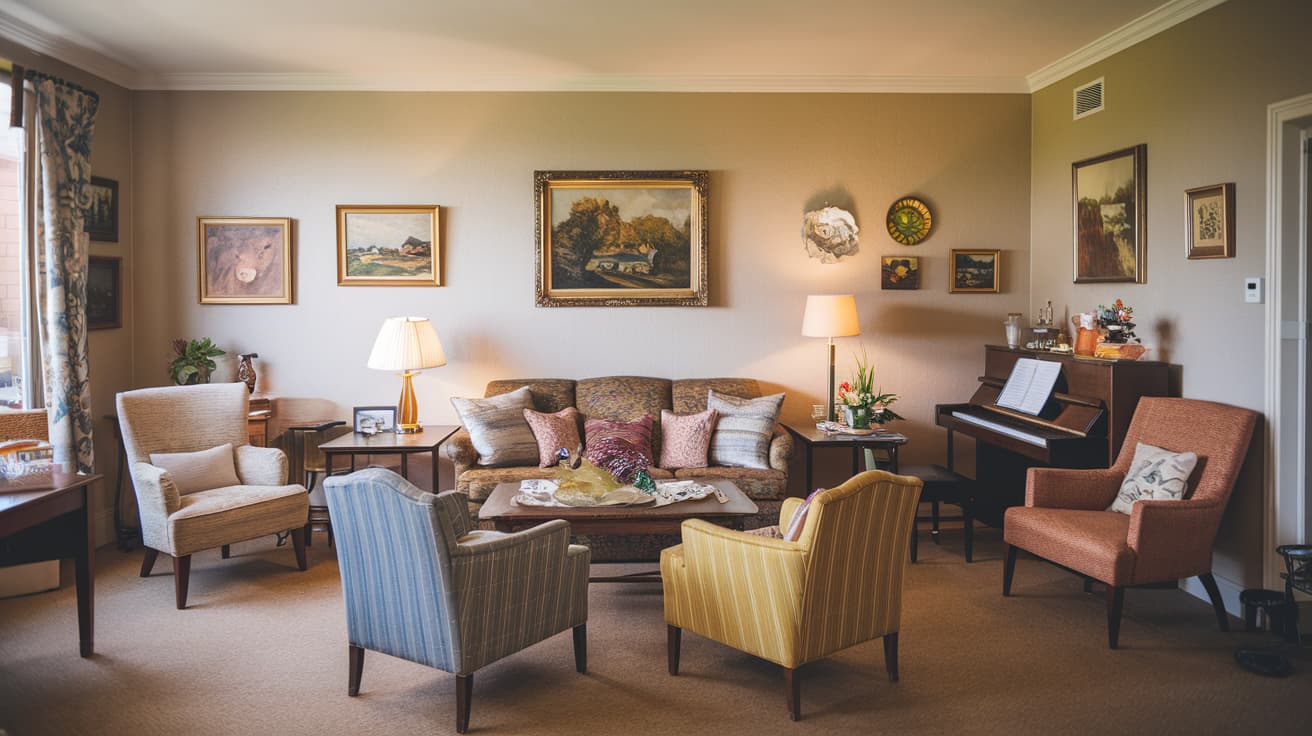
Designing a care home for someone with dementia requires more than just aesthetics—it’s about creating a space that feels safe, familiar, and comforting. In this article, we’ll explore the key elements of dementia-friendly design, showing how thoughtful choices in color, layout, and décor can improve daily life for residents. You’ll discover how simple adjustments can aid navigation, reduce confusion, and encourage social interaction, all while supporting cognitive and emotional well-being.
By the end, you’ll have practical, actionable ideas to transform any space into a more supportive environment for those living with dementia. Let’s get started…
Creating A Dementia-Friendly Care Home: A Guide For Better Living
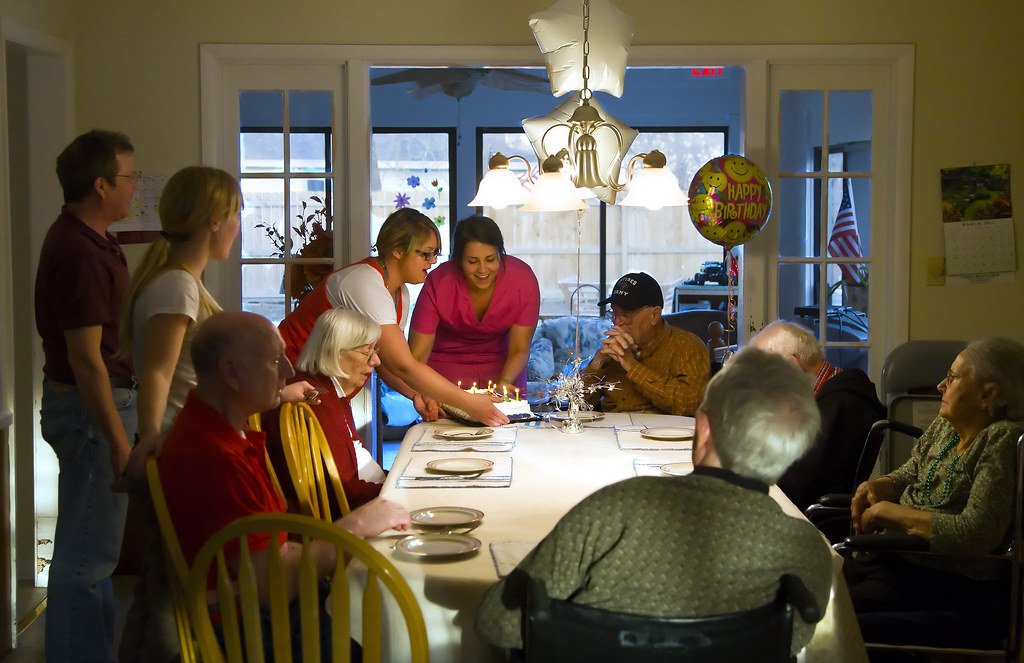
In an era where approximately 80% of care home residents live with some form of dementia, integrating dementia-friendly design into residential settings is not just beneficial but essential. This comprehensive guide will explore how even non-purpose-built care homes can adapt to meet the needs of those with dementia, enhancing their life experiences and longevity.
Innovative Design Strategies
- Reminiscence Through Imagery
- Era-specific pictures serve more than an aesthetic purpose; they are powerful tools in helping residents navigate their environment. Selecting images from familiar periods, whether related to food, fashion, or major historical events, can transform an otherwise unfamiliar space into a place of comfort and recognition.
- Navigational Aids with Color
- For residents facing challenges in remembering room locations, color differentiation is key. Envision corridors designed to resemble streets, with each door painted a different color, complemented by window boxes and thematic street names. Such features can greatly reduce anxiety and improve orientation.
Enhancing Daily Activities
- Adaptive Dining Solutions
- Eating can pose a challenge as coordination declines. Utilizing adapted cutlery, plate guards, and finger foods, along with contrasting colored plates, can make meals more manageable. Avoiding distractions like patterned tablecloths and excessive table decor is also recommended to maintain focus during meals.
Safety And Accessibility
- Minimizing Fall Risks
- Since residents in care homes are more prone to falls, creating a safe environment is paramount. This includes load-release bathroom fittings, curtain tracks, and window restrictors to prevent confusion between windows and doors.
- Toilet and Bathroom Adaptations
- High-contrast colors can aid in locating and using the bathroom facilities. Ensuring toilets are visible from beds, using contrasting colors for essential fixtures, and installing accessible support aids can significantly enhance independence and dignity.
Assessing Dementia-Friendliness
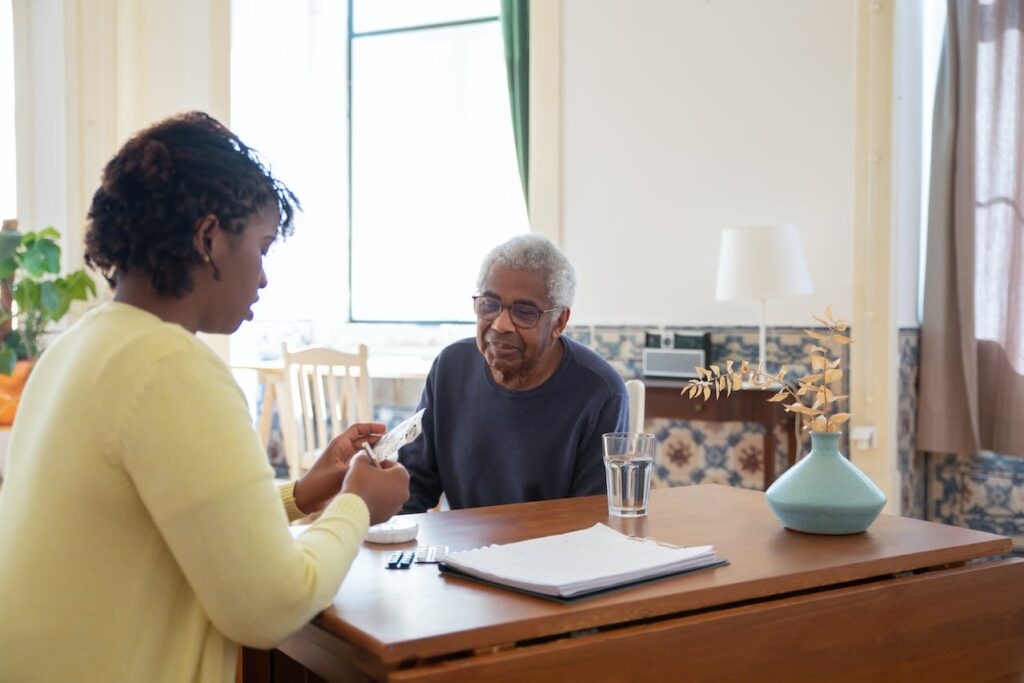
The King's Fund provides resources for care homes to evaluate and enhance their dementia-friendliness. These tools enable care homes to assess their current environment and implement changes that cater to the unique needs of residents with dementia.
What Other Design Choices Can Be Made To Create A Dementia-Friendly Care Home?
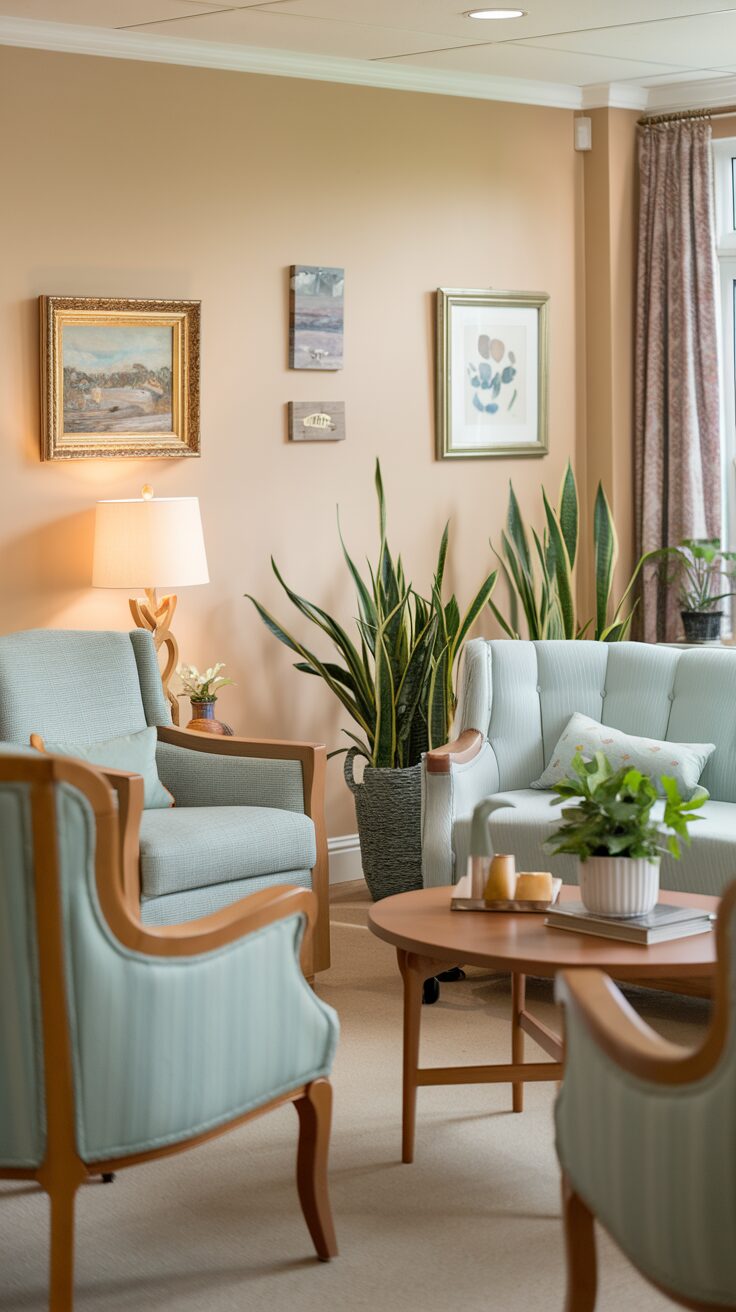
Creating a dementia-friendly care home involves a holistic approach that encompasses the residents' physical environment and sensory experiences. Here are some additional design choices that can significantly contribute to a more dementia-friendly setting:
- Sensory Gardens: Outdoor spaces that stimulate the senses with various plants, textures, and scents can be therapeutic for residents with dementia. These gardens encourage outdoor activity and interaction with nature, which can improve mood and cognitive function.
- Clear Signage and Wayfinding: Large, clear signage with simple language and high-contrast colors can help residents navigate their environment more easily. This includes labeling rooms and areas like the dining room, living room, and bathrooms.
- Lighting: Adequate lighting is crucial, especially in areas where residents are prone to falls. Natural light should be maximized, and glare should be minimized. Use lighting that mimics natural daylight in areas where natural light is insufficient.
- Non-Slip Floors and Safe Furniture: Flooring should be non-slip and free of patterns that could cause confusion or appear as obstacles. Furniture should be sturdy, with rounded edges to minimize injury, and should be arranged to promote easy navigation and social interaction.
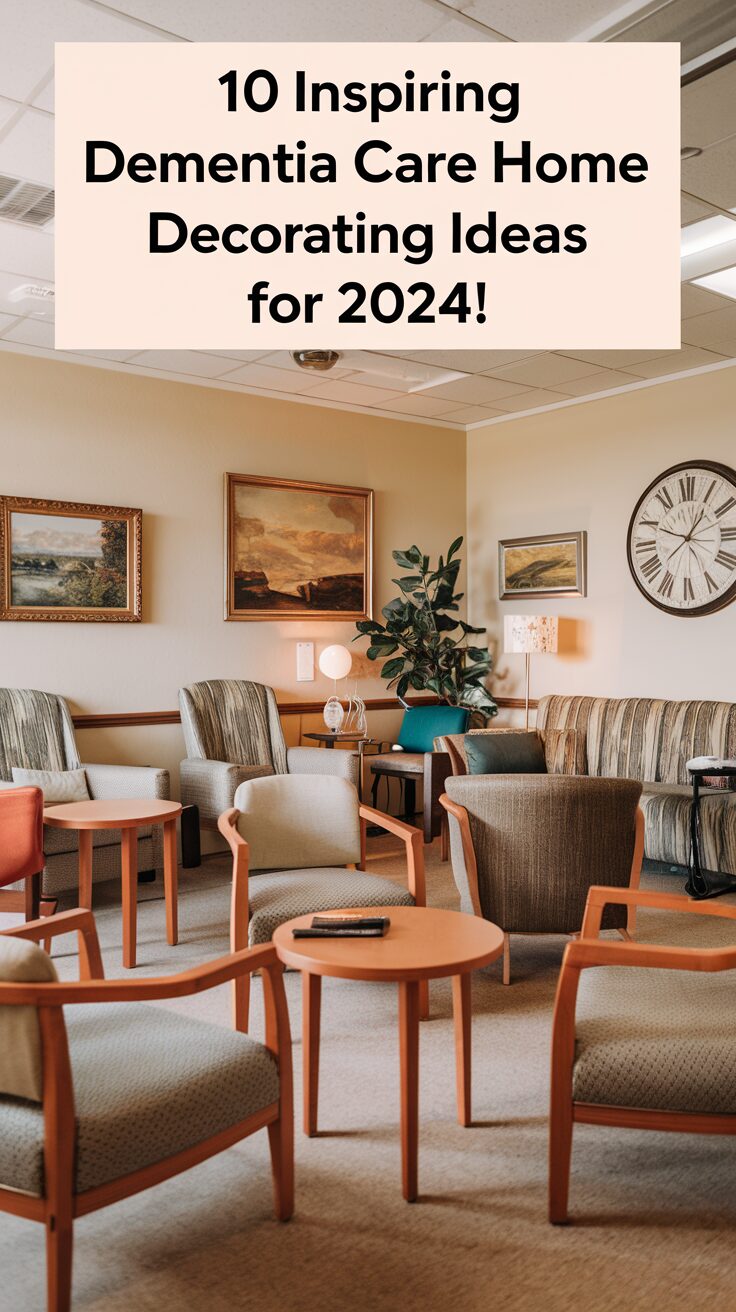
- Familiar and Homelike Atmosphere: Incorporating elements that resemble a home setting, like comfortable furniture, personal items, and familiar decor, can help residents feel more at ease and less disoriented.
- Quiet Spaces: Areas designed for calm and quiet can provide a sanctuary for residents who may feel overwhelmed or overstimulated by noise or activity.
- Acoustic Design: Sound-absorbing materials can reduce ambient noise levels, which is beneficial as loud or sudden noises can be distressing for people with dementia.
- Technology Integration: Using non-intrusive technology like motion sensors for lighting, temperature control, and security can enhance the safety and comfort of residents.
- Color and Contrast: Color and contrast can help residents differentiate between surfaces and objects. For example, toilet seats that contrast with the color of the floor or walls can help residents identify them more easily.
- Memory Boxes or Display Shelves: These can be placed outside residents' rooms to hold personal items and memorabilia, aiding in recognition and orientation and stimulating memories and conversation.
Each of these design choices should be tailored to the specific needs and preferences of the residents, keeping in mind that dementia affects each individual differently. The goal is to create an environment that is safe, functional, enriching, and comforting.
10 Common Challenges Individuals With Dementia Face In A Care Home Environment?
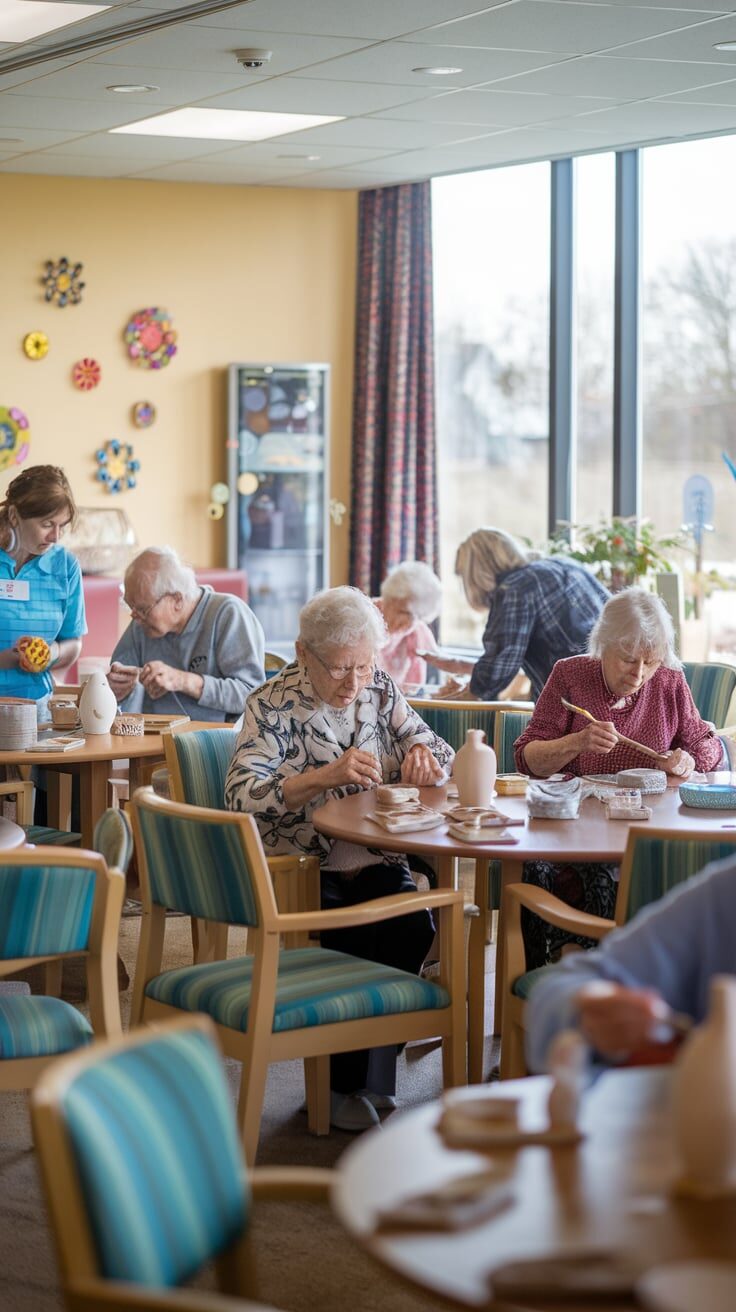
- Disorientation and Confusion: Dementia can confuse about time, place, and identity. Residents may struggle to recognize their surroundings, leading to disorientation and anxiety.
- memory loss: Short-term memory loss is a common symptom of dementia. Residents may need to remember recent events, the faces of caregivers or fellow residents, or the layout of the care home, making it difficult to navigate and interact.
- Communication Difficulties: Dementia can impair the ability to communicate effectively. Residents might need help finding the right words and understanding others or may repeat themselves frequently.
- Difficulty with Daily Activities: As dementia progresses, tasks like dressing, eating, and personal hygiene become more challenging. This can lead to a loss of independence and frustration.
- Agitation and Distress: Environmental changes, routines, or caregivers can cause distress. Residents might exhibit agitation and aggression or become withdrawn due to these changes.
- Wandering: A common behavior in dementia, wandering can be aimless or purposeful. Residents might wander as they search for something familiar or try to fulfill a need, such as hunger or using the restroom.
- Risk of Falls and Injury: Cognitive impairment and physical decline increase the risk of falls. Unfamiliar environments, poor lighting, and obstacles can exacerbate this risk.
- Sensory Overload or Understimulation: Dementia can alter sensory processing. Overstimulating environments can be overwhelming, while under-stimulation can lead to apathy and withdrawal.
- Social Isolation: Difficulty in communication and social engagement can lead to feelings of loneliness and isolation.
- Difficulty with Eating and Nutrition: Dementia can affect appetite, eating habits, and the ability to use utensils, leading to nutritional challenges.
- Changes in Sleep Patterns: Sleep disturbances, including insomnia or excessive sleeping, are common, affecting the resident's overall health and mood.
- Mood Fluctuations and Mental Health Issues: Individuals with dementia may experience rapid mood changes, depression, or anxiety.
Addressing these challenges requires a multifaceted approach that includes environmental adaptations, personalized care plans, and ongoing support for residents and caregivers. A key aspect is maintaining a sense of normalcy and dignity for the residents, acknowledging their individuality, and providing respectful and empathetic care.
10 Low-Cost Ideas To Become More Dementia-Friendly?
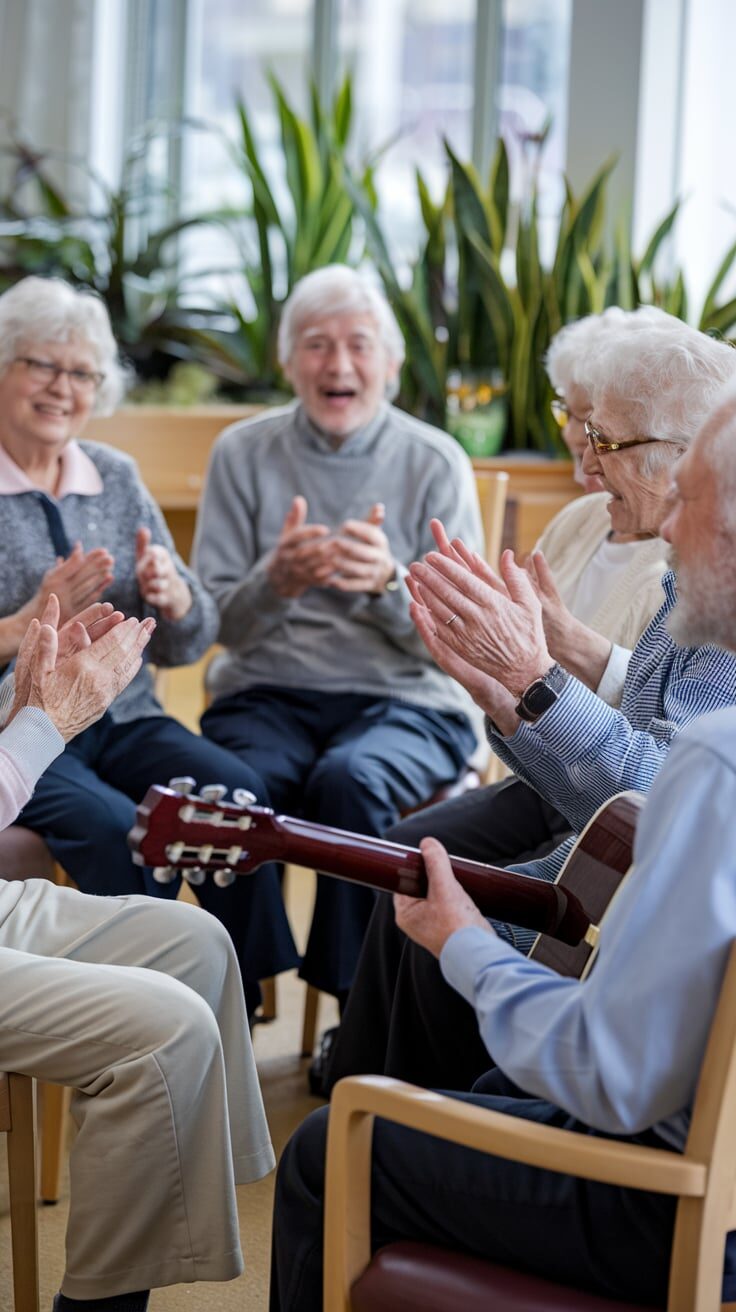
Adapting a care home to be more dementia-friendly, especially when resources are limited, requires creativity and a focus on cost-effective strategies. Here are several approaches that can be implemented to make significant improvements without substantial financial investment:
Staff Training:
One of the most effective ways to create a dementia-friendly environment is staff education. Training caregivers in understanding dementia, effective communication techniques, and person-centered care approaches can greatly improve the quality of care. Online resources, community partnerships, and in-house training sessions can be cost-effective ways to enhance staff skills.
Simple Environmental Modifications:
- Color and Contrast: Use paint or colored tape to contrast critical areas like door frames, light switches, and bathroom fixtures to help residents navigate more easily.
- Clear Signage: Implement clear, simple signage with large, readable fonts and contrasting colors to aid navigation.
Creating A Homelike Atmosphere:
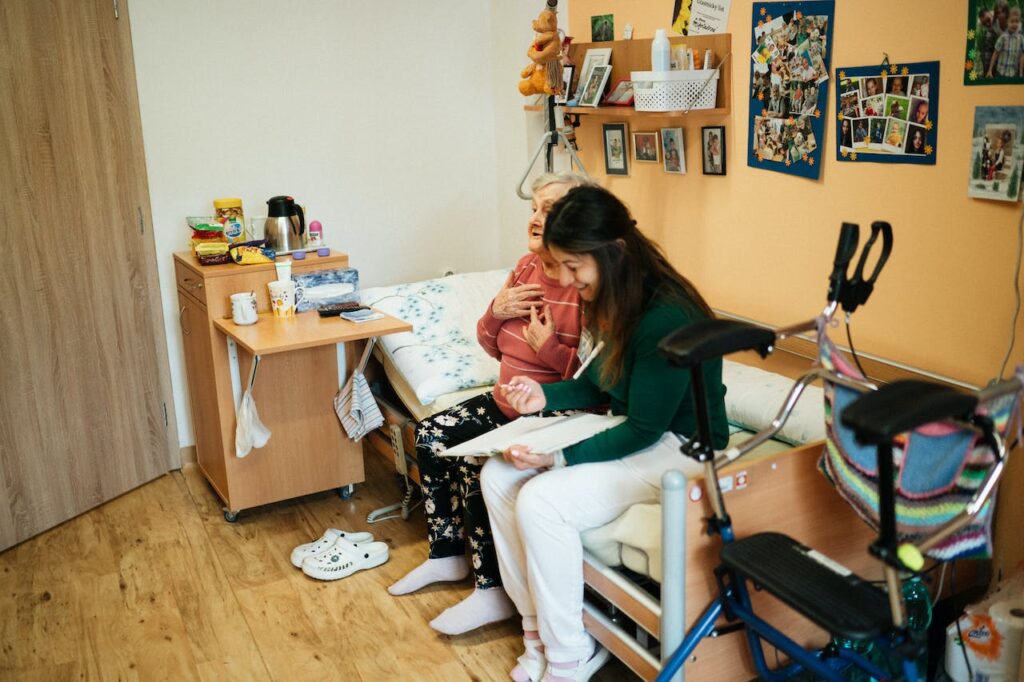
- Encourage families to bring personal items to make residents' rooms feel more familiar and comforting.
- Small touches like cozy, non-institutional furnishings in common areas can create a more inviting environment.
Adapting Activities:
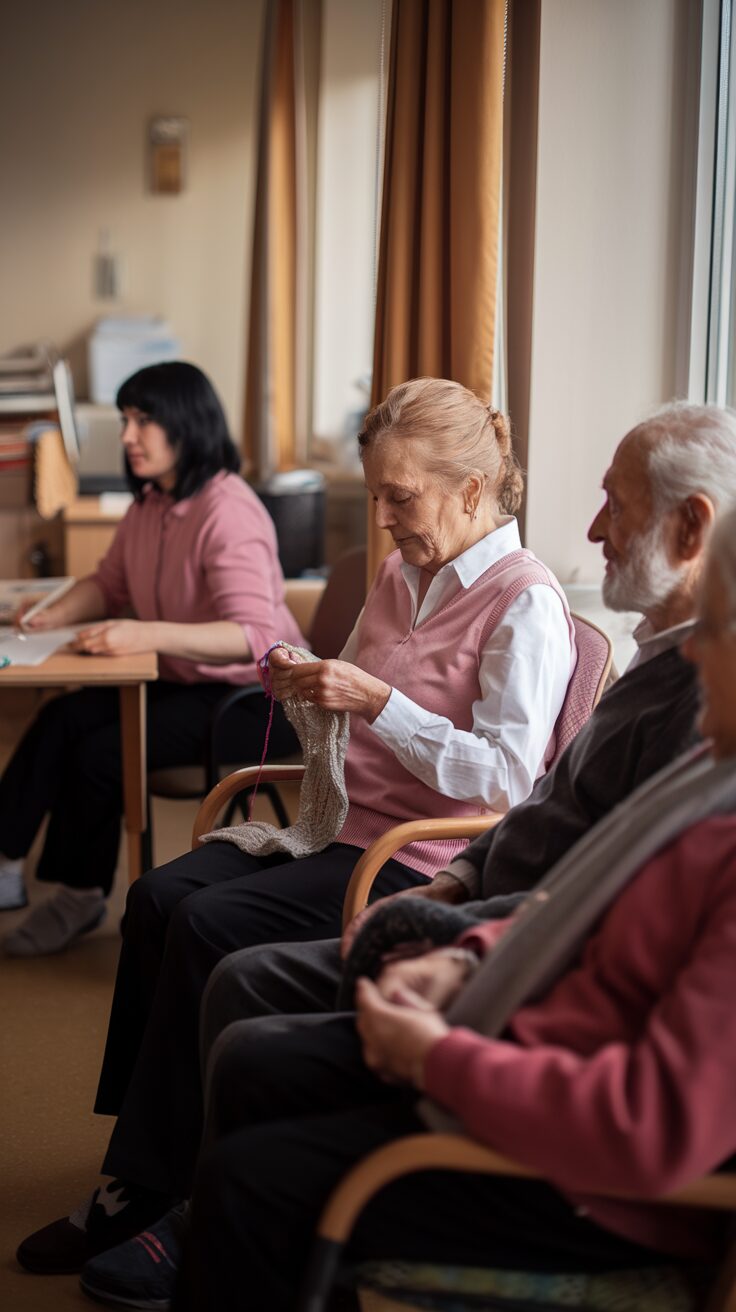
- Tailor activities to the individual's past interests and abilities. This can include music, art, gardening, or simple craft projects.
- Engaging residents in daily activities, like setting tables or folding laundry, provides a sense of purpose and routine.
Utilize Volunteers And Community Resources:
- Reach out to community groups, schools, or churches for volunteers to spend time with residents, engage in activities, or provide entertainment.
- Partner with local organizations or dementia support groups for resources or training.
Improving Lighting:
- Ensure areas are well-lit to reduce the risk of falls and confusion. Natural light should be maximized where possible.
Safe And Accessible Outdoor Spaces:
- If there's an outdoor area, make it safe and accessible for residents. A simple garden or a secure pathway for walking can significantly enhance the quality of life.
Sensory Stimulation:
- Use sensory stimulation, such as music, familiar scents, or tactile objects, to engage residents and evoke positive memories.
Regular Routine:
- Establish a consistent daily routine to provide structure and reduce confusion.
Mealtime Adjustments:
- Serve meals on colorful plates to contrast with the food, making it easier for residents to see their food.
- Offer finger foods to help those with coordination difficulties.
Feedback And Involvement:
- Involve residents and their families in decision-making processes. Feedback can provide valuable insights into simple changes that can make a big difference.
By focusing on these practical and often low-cost adaptations, care homes can create a more supportive and nurturing environment for residents with dementia, enhancing their quality of life and well-being.
Conclusion
In conclusion, transforming a care home into a dementia-friendly environment involves empathy, understanding, and thoughtful modifications. Simple yet effective changes, such as staff training, environmental adaptations, and tailored activities, can significantly enhance the daily lives of residents with dementia. While resources might be limited, creativity and community involvement can effectively fill the gaps. The key risks involve ensuring safety and avoiding overstimulation, but these can be adeptly managed with careful planning and feedback from residents and their families. Remember, the ultimate goal is to foster a space where individuals with dementia can live with dignity, comfort, and a sense of belonging. By embracing these principles, you are not just improving a facility but enriching lives and making a tangible difference. Let this motivate your journey towards creating a more inclusive, supportive, and compassionate care home environment.
Here’s a suggested section you can include in your article:
Useful Links To Learn More
- Alzheimer’s Society - Dementia-Friendly Environments – Offers guidance on creating spaces that are comfortable and safe for people living with dementia, including decorating tips.
- Dementia UK - Making Homes Dementia-Friendly – Provides practical advice on how to adapt home environments to support those with dementia, from layout to color choices.
- Age UK - Home Adaptations for Dementia – Offers tips on making living spaces more dementia-friendly, focusing on safety, accessibility, and comfort.
- The King's Fund - Dementia-Friendly Design – Explores design principles that support people with dementia, including ideas for care home environments.
- Care & Repair England - Dementia Friendly Housing Guide – A comprehensive guide to making housing and care homes more suitable for individuals living with dementia.
Feature Photo by David Pisnoy on Unsplash
Keep reading
Dementia Live In Care - An Expert Guide For 2025!
Discover everything you need to know about dementia live-in care, from benefits to caregiving tips, ensuring the best support for your loved ones.

Care Home Contracts - An Expert Guide For 2025!
Understand care home contracts with this guide, ensuring clarity on terms, fees, and rights before making important decisions for your loved ones.

10 Heartfelt Gifts That Care Home Residents Will Love in 2025
Find the best gifts for care home residents that bring comfort, joy, and warmth, making their stay more pleasant and fulfilling.
Need personal guidance?
Talk to an advisor
Our care experts are here to help you make the right choice — for free.