Skip to content
logo site
  • Care Homes
  • Retirement Living
  • Blog
  • About
  • Contact Us
  • Partner With Us
Contact Us

Category: Care Home

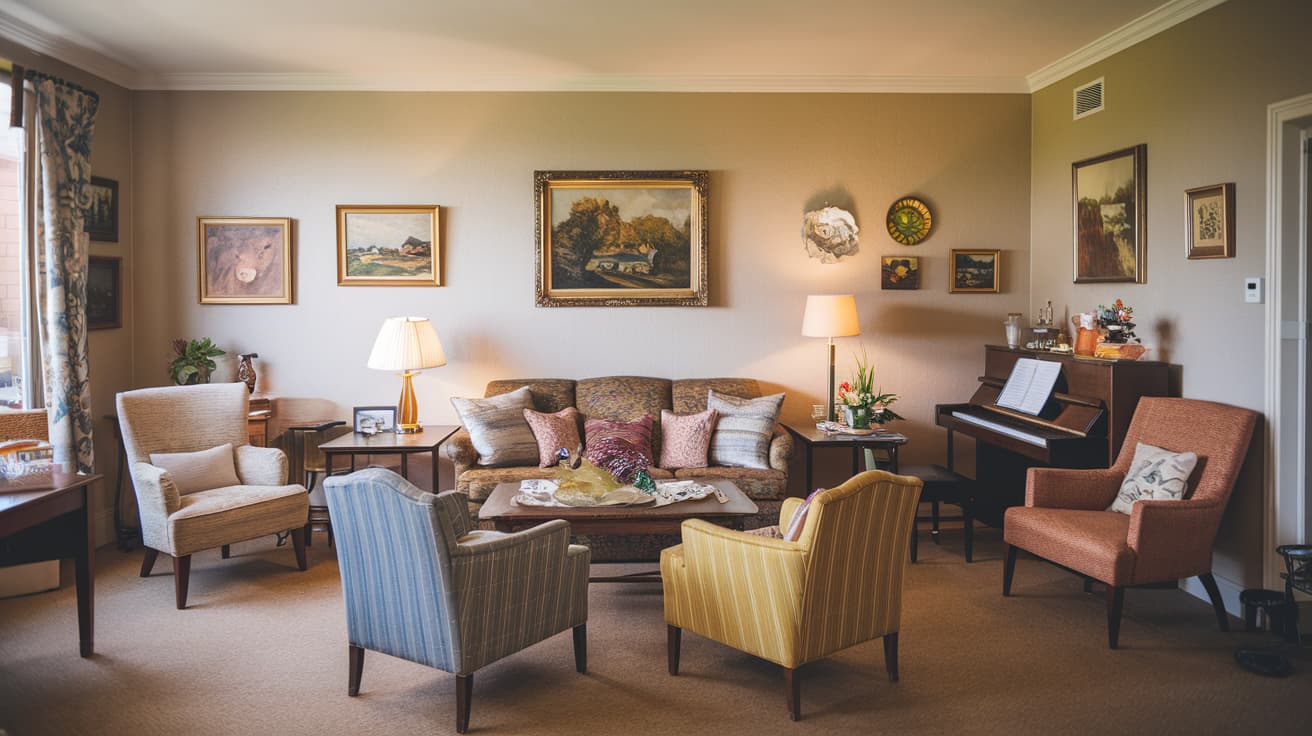
10 Inspiring Dementia Care Home Decorating Ideas For 2025!

10 Inspiring Dementia Care Home Decorating Ideas For 2024!

Explore dementia care home decorating ideas to create a safe, calming, and familiar environment that supports residents’ well-being

Dementia Live In Care – An Expert Guide For 2025!

Specialist Dementia Care Homes

Discover everything you need to know about dementia live-in care, from benefits to caregiving tips, ensuring the best support for your loved ones.

Care Home Contracts – An Expert Guide For 2025!

Legal Considerations in Arranging Elderly Home Care

Understand care home contracts with this guide, ensuring clarity on terms, fees, and rights before making important decisions for your loved ones.

10 Heartfelt Gifts That Care Home Residents Will Love in 2025

Making Frequent Gifts

Find the best gifts for care home residents that bring comfort, joy, and warmth, making their stay more pleasant and fulfilling.

Expert Guide To Care Home Visiting Rights: Legal Protections In 2025!

Embarking on the journey of divorce, especially later in life, is akin to navigating through a complex maze of emotions and logistics. It's not just about untangling years of shared memories and assets; it's also about managing the intricate web of relationships and financial intricacies that come with a long-term union. But fear not, even amidst the turbulence, there are strategies to smooth the path ahead. The following sections delve into practical steps and considerations to help you approach this challenging phase with clarity and purpose. From safeguarding your emotional well-being to navigating financial negotiations, our insights aim to guide you towards a more amicable and manageable transition. Remember, while change is inevitable, distress is not a foregone conclusion. Pacing the Process Thoughtfully In the realm of later-life divorces, patience is key. As experts in retirement living and later life care, we understand that both parties may be at different stages emotionally. The initiator may have had more time to adjust, while the other might still grapple with acceptance. It's crucial to acknowledge these differences and proceed with empathy. Rushing can hinder the process, and professional support through coaching or counseling can be immensely beneficial for both parties to navigate this transition. Embracing a Constructive Outlook Divorce at this stage of life should be approached as a transition rather than a conflict. Avoiding blame and adopting a language that frames the marriage as a completed chapter rather than a failure can set a more positive tone. Especially for those who are parents, shifting the focus to cooperative co-parenting can significantly impact the process's amicability. This approach may not fit all situations, but it often paves the way for a more harmonious separation. Amicable Financial Division Financial considerations are pivotal in later-life divorces. Various methods are available for dividing assets, each with benefits and drawbacks. Couples may opt for informal agreements, mediation, or legal assistance, with court intervention as a last resort. Understanding these options is detailed on resources like Amicable's website. Exploring separation agreements is advisable for those contemplating separation but not yet ready for divorce. Property Considerations Property division is a significant aspect of parting ways. Selling the marital home and downsizing are common routes due to financial practicalities. The process involves additional costs like legal fees and potential mortgage penalties. In cases where dependents are involved, or one partner can buy the other out, the decision might lean towards one party retaining the home. However, this requires careful consideration of mortgage affordability. Dividing Personal Possessions Sensibly Lastly, dividing personal possessions can be emotionally challenging. These items often carry deep sentimental value. A practical and compassionate approach is essential. Couples might consider prioritizing items or discussing what is most practical, such as furnishing a new, unfurnished home for one party. This step requires mutual respect and understanding, given the emotional weight of these possessions. As experts in retirement living and later-life care, we aim to provide guidance that respects the emotional and practical complexities of divorcing later in life. With patience, empathy, and a focus on amicable solutions, navigating this transition can lead to a positive new chapter for both parties. What are some specific strategies for managing the emotional complexities of divorce later in life? Managing the emotional complexities of divorce later in life requires a nuanced approach, as this period often involves deep-rooted emotional investments and significant life changes. Here are some specific strategies: Seek Professional Support: Counseling or therapy can provide a safe space to process emotions and gain clarity. Therapists who specialize in late-life transitions or divorce can offer tailored guidance. Consider joining support groups where you can connect with others going through similar experiences. Establish a Strong Support Network: Lean on close friends and family for emotional support. It's important to have people who can offer empathy, listen, and provide comfort during this time. Engage in Self-Care and Wellness: Prioritize your physical and mental health. Activities like exercise, yoga, meditation, or hobbies can help maintain balance and reduce stress. Eating healthily and getting enough sleep is also crucial. Create a New Routine: Establishing a new daily routine can provide stability and normalcy. This can include setting aside time for activities you enjoy or exploring new interests. Focus on Personal Growth: View this transition as an opportunity for personal development. Engage in activities that promote self-discovery and growth, like learning a new skill, traveling, or volunteering. Practice Mindfulness and Acceptance: Mindfulness techniques can help manage emotions and stress. Acceptance of the situation, while challenging, is key to moving forward. Understand that it's okay to feel a range of emotions and allow yourself to experience them without judgment. Financial Planning: Consult with financial advisors or experts in retirement planning. Understanding your financial situation and planning for the future can alleviate stress and provide a sense of security. Consider Legal and Mediation Services: Engaging in mediation or collaborative divorce processes can help manage legal and financial negotiations more amicably, reducing emotional strain. Reframe the Experience: Instead of viewing the divorce as an end, try to see it as a new beginning. This perspective can open the door to new opportunities and experiences. Journaling and Reflective Practices: Writing about your experiences and feelings can be a therapeutic way to process emotions. Reflective practices help in understanding personal needs and goals moving forward. Each individual's journey through divorce is unique, and it's important to find strategies that resonate personally. It may also be a process of trial and error to discover what works best for you in managing the emotional complexities of this life transition. What are the different methods available for dividing assets during a later-life divorce, and how do they differ? Dividing assets during a later-life divorce requires careful consideration due to the accumulated wealth and the potential impact on retirement plans. Here are various methods available for asset division, each with its unique characteristics: Mediation: Description: A neutral third-party mediator assists both spouses in negotiating and reaching a mutually agreeable settlement. Difference: It's typically less adversarial and more cost-effective than going to court. Mediation fosters collaboration and can be less stressful. Collaborative Divorce: Description: Each spouse has their own attorney, but everyone agrees to work together to negotiate a settlement without going to court. Difference: It promotes a team approach and can be more amicable. It's suitable for couples who need legal representation but want to avoid the adversarial nature of traditional litigation. Arbitration: Description: An arbitrator (similar to a judge) makes decisions about asset division after hearing arguments from both sides. Difference: This method is more private than court proceedings and can be quicker, but the decision is binding and less flexible once made. Litigation: Description: Traditional court proceedings where a judge makes the final decision regarding asset division. Difference: This is often the most time-consuming and expensive option and can be more contentious. It's usually pursued when other methods fail or in complex cases. Do-It-Yourself (DIY) Settlement: Description: Couples negotiate and decide on asset division independently, without formal legal or third-party assistance. Difference: This is the most cost-effective method but may not be suitable for complex estates or when spouses have a significant imbalance of power or knowledge. Using a Financial Neutral: Description: A financial expert, often a Certified Divorce Financial Analyst (CDFA), helps both parties understand the long-term financial implications of different settlement options. Difference: This method focuses specifically on the financial aspects and is helpful in complex financial situations to ensure a fair and sustainable settlement. Court-Ordered Sale or Division: Description: In some cases, the court may order the sale of certain assets and the division of the proceeds. Difference: This is typically a last resort when spouses cannot agree or when liquidating assets is the most practical solution. Each method has its advantages and drawbacks, and the choice largely depends on the couple's relationship dynamics, the complexity of their assets, and their willingness to cooperate. In later-life divorces, it's also crucial to consider the impact on retirement plans and the need for financial security post-divorce. Consulting with legal and financial professionals is advisable to make informed decisions tailored to one's situation. How can couples navigate the process of dividing personal possessions, which often carry significant emotional weight? Dividing personal possessions in later life divorce can be particularly challenging due to their emotional significance and the memories they hold. Here are some strategies for couples to navigate this process: Inventory and Categorization: Start by making a comprehensive inventory of all possessions. Categorize them into different groups, such as furniture, artwork, sentimental items, etc. This helps in organizing the division process and identifying priorities. Determine Value: Assign a monetary value to items, especially for those with significant worth. Getting appraisals for valuable items like antiques or jewelry might be helpful. Prioritize Emotional Attachments: Acknowledge that some items may have more sentimental than monetary value. Each person should identify items they are particularly attached to and discuss their significance. Mutual Negotiation and Compromise: Approach the division willing to negotiate and compromise. Understanding and respecting each other's emotional attachments to certain items is key. Use a Mediator or Third Party: If direct negotiation is challenging, consider involving a neutral third party or mediator to help guide the discussion and provide objective input. Consider Future Needs and Practicality: Evaluate what each person needs in their new living situation. For instance, if one person is moving to a smaller home, they might require fewer furnishings. Equal Distribution Strategy: One common method is to take turns choosing items. This can be alternated to ensure fairness. Another approach is to assign points to each item based on their value and importance, allowing each person to 'spend' their points on the items they want most. Sell and Split the Proceeds: For items that neither party is particularly attached to, consider selling them and splitting the proceeds. This can also provide additional funds for setting up new households. Gift to Family or Donate: Sometimes, it may be emotionally easier to gift certain items to family members or donate them to charity rather than dispute them. Legal Advice for High-Value Items: For items of significant value, getting legal advice can ensure that the division is equitable and aligns with any pre-existing agreements or legal guidelines. Time and Space: Give each other time and space to make decisions. Rushing the process can heighten emotions and lead to regrettable decisions. Self-Reflection: Encourage self-reflection to determine if the desire for an item is genuinely based on attachment or if it's driven by competition or spite. This can often change the perspective on what's truly important. Remember, the goal is to reach a fair resolution while minimizing emotional conflict. The process requires patience, empathy, and sometimes a willingness to let go for the greater good of a peaceful transition into the next chapter of life. Conclusion As we conclude our exploration of navigating divorce in later life, it's important to remember that while this journey is undeniably challenging, it also opens the door to new beginnings and personal growth. Key strategies such as seeking professional support, maintaining open communication, and approaching the division of assets and possessions with fairness and empathy can significantly ease the process. Remember, prioritizing emotional well-being and mutual respect goes a long way in making this transition smoother. The risks involved, particularly emotional strain and financial uncertainties, are real but manageable with careful planning and a willingness to seek help when needed. Above all, remember that this is a phase of transformation and renewal. Armed with the right tools and a positive outlook, you can navigate these changes and emerge with a renewed sense of purpose and clarity. So, take a deep breath, gather your resources, and step forward into this next chapter with confidence and hope.

Learn about care home visiting rights, ensuring your loved ones stay connected and informed with essential guidelines for families and visitors.
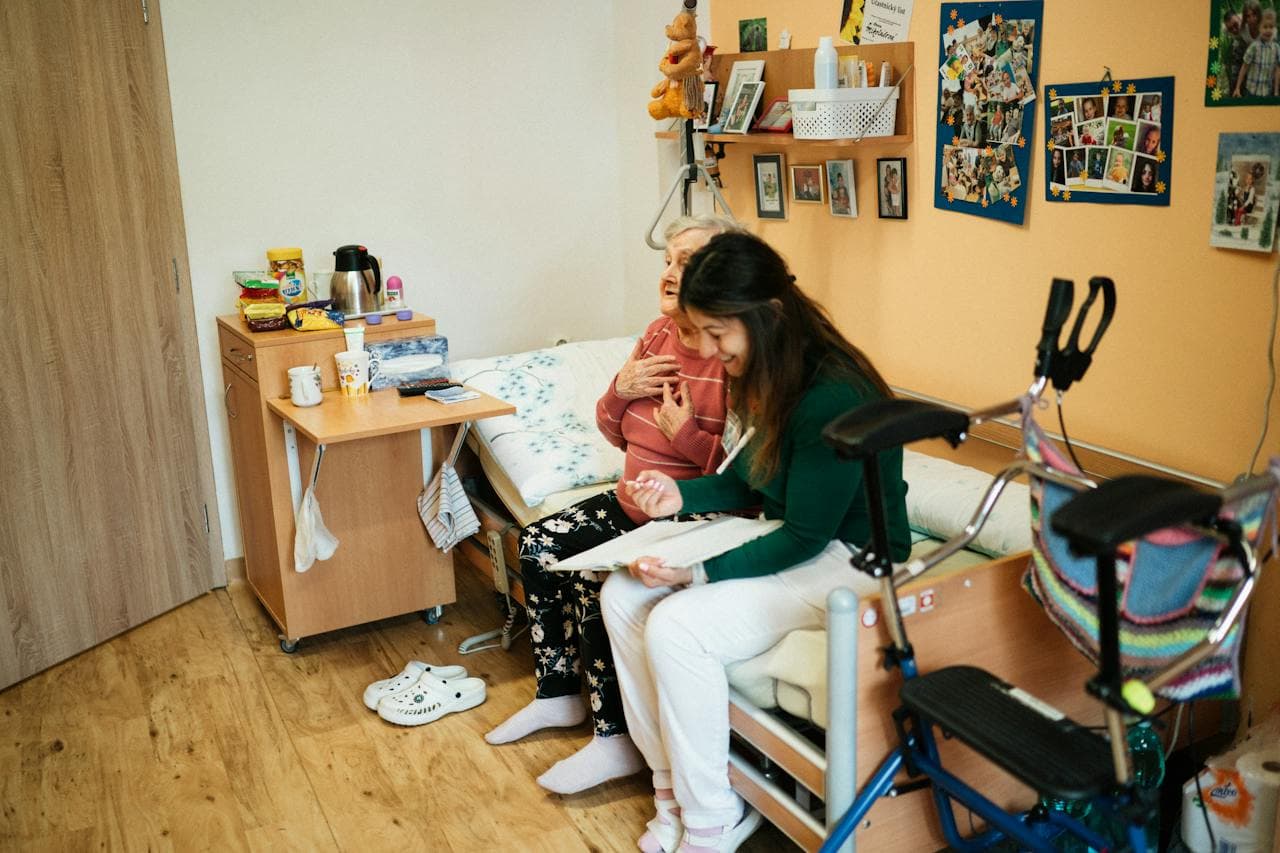
10 Reasons to Work in a Care Home in the UK in 2025!

Working In A Nursing Home

Uncover the best reasons to work in a care home, from meaningful connections to career growth and making a real difference in seniors’ lives.

logo site

Handpicked Care Homes and Retirement Living Solutions!

This site is reader supported and contains affiliate links. As an Amazon Associate we earn from qualifying purchases.
Properties
  • Retirement Locations
  • Care Home Locations
  • All Properties
Other pages
  • Privacy Policy
  • Affiliate Disclosure
  • Advertising Policy
  • Editorial Policy
  • Contact Us
Sign Up For Our Newsletter
.
Phone: 0151 332 9403
Email: [email protected]