 Verified
CQC Good
Nestled in the scenic surroundings of Launceston, Cedar Grange Care Home is a 60-bed haven offering round-the-clock nursing support, respite, and short-term care. The home is beautifully situated…
from £1200/wk
Cornwall is a well-established retirement area with 26% of residents over 65 — well above the national average — and a strong care-home presence of 4 homes rated mostly good. It offers coastal living, outdoor space and a tight-knit community, though you'll want to weigh the cost and distance from larger hospitals against the slower pace and natural beauty.
125 properties
VerifiedNestled in the scenic surroundings of Launceston, Cedar Grange Care Home is a 60-bed haven offering round-the-clock nursing support, respite, and short-term care. The home is beautifully situated…
 Verified
Nestled in the heart of the historic market town of Launceston, you'll find Kernow House, a warm and inviting care home in Cornwall. This esteemed Barchester Healthcare facility offers expert…
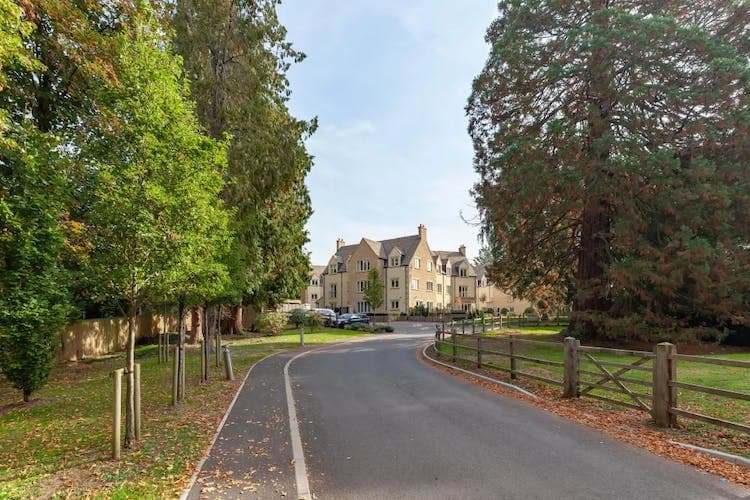 Verified
Stratton Court is an Aura Care Living home in Cirencester, in the Cotswolds, offering dementia, nursing, residential and respite care with en-suite rooms and luxury facilities.
Tell us what matters and a care advisor will shortlist homes for you — free.
 Verified
Tucked away in the charming town of Callington, you'll find the welcoming Chyvarhas Care Home. This haven of care provides a range of services including residential, respite, nursing, dementia, and…
 VerifiedVerified
Asheborough House Care Centre is a nursing home in Saltash, Cornwall, with 31 registered beds.
VerifiedAtlantis Care Home is a 20-bed residential care home in Looe, Cornwall, providing care for people with dementia.
VerifiedBeaumont Court is a 40-bed care home in Launceston, Cornwall.
VerifiedBeech Lawn Nursing and Residential Home is a 44-bed care home in Liskeard, Cornwall, providing nursing and residential care.
VerifiedVerifiedBenoni Nursing Home Limited is a 25-bed nursing home in Penzance, Cornwall.
VerifiedBlackwood Residential Care Home is a 47-bed care home in Camborne, Cornwall, providing residential care.
VerifiedVerifiedBowden-Derra Park is a 46-bed care home in Launceston, Cornwall.
VerifiedVerifiedVerifiedCastle Hill House Care Home is a 43-bed care home in Bodmin, Cornwall.
VerifiedCathedral View House is a 60-bed care home in Truro, Cornwall, providing residential and nursing care.
VerifiedCedar Grange Residential and Nursing Home is a 60-bed care home in Launceston, Cornwall, run by Sanctuary Care Limited.
VerifiedClann House is a care home in Bodmin, Cornwall, with 34 registered beds.
Cornwall suits those seeking a quiet, naturally beautiful retirement with established community ties or a desire for coastal living. The county has a genuinely older population, which means good local understanding of later-life needs, though the care market is smaller and fees are above the national average. Most people will find a home to suit them, but choice is more limited than in larger conurbations.