An Expert Guide To Care Home Activities in 2025

Starting life in a care home can feel like a big change, but it’s also an opportunity to enjoy new experiences and stay active. This article highlights the wide range of activities care homes offer to keep residents engaged, from social group events to personalized one-on-one sessions. These aren’t just about passing the time—they’re carefully planned to boost well-being and add fun to everyday life.
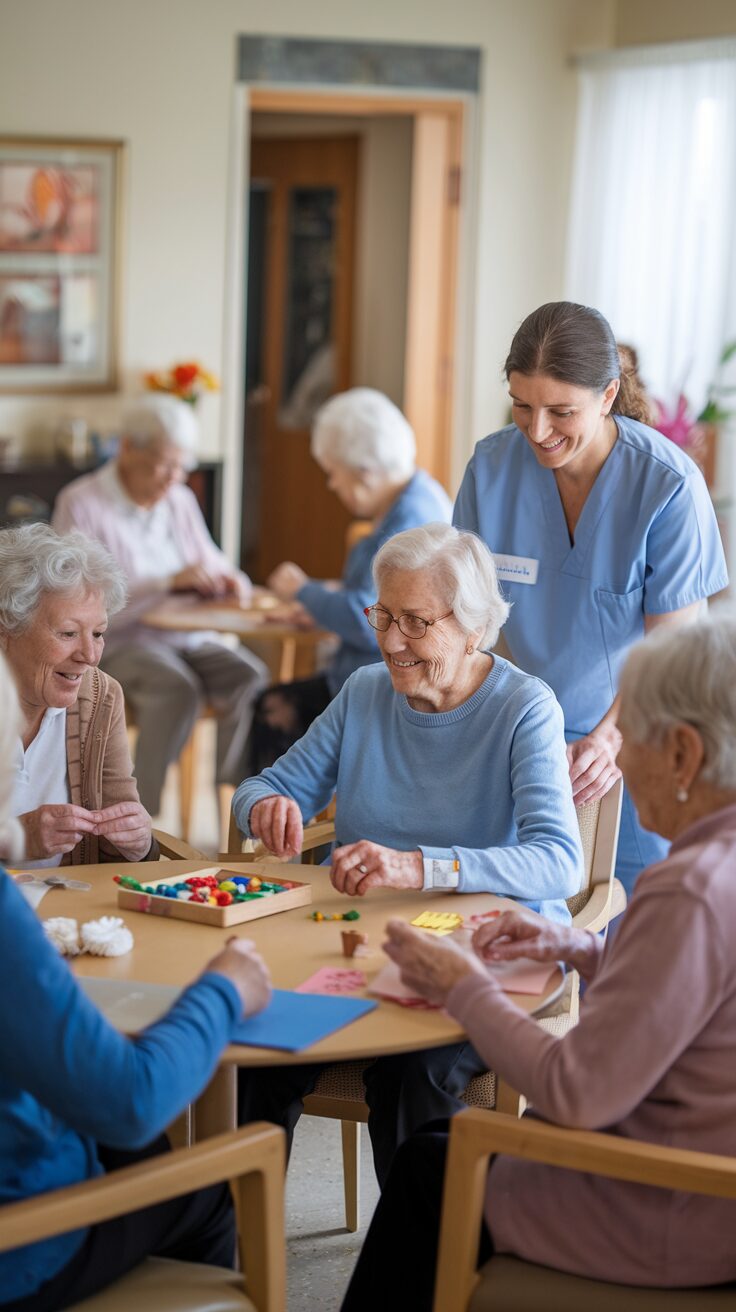
You’ll learn how care homes tailor their activity schedules to fit different interests and needs, giving residents the freedom to choose what suits them best. Plus, we’ll touch on how regulators, like the Care Quality Commission, ensure these programs are diverse and meaningful. Ready to explore how care home activities can enrich life for you or a loved one? Let’s dive in…
Personalized Engagement for Residents

Care homes today focus on creating person-centered activities that resonate deeply with residents. These activities, meticulously planned by dedicated staff, are not just pastimes but pathways to enhance mental and physical well-being. Team members take the time to understand each resident's unique story, crafting activities that reflect their past interests and current needs. For instance, a former athlete might find joy in fitness-focused activities, while someone who has faced loneliness may receive additional support to engage socially and build friendships. These meaningful activities extend beyond leisure; they instill a sense of purpose, encourage independence, and foster an environment where residents can contribute to the community.
The Multifaceted Benefits of Engaging Activities

Participating in these activities offers numerous advantages:
- Building Confidence: Activities are designed to boost self-esteem.
- Providing Purpose and Structure: This is particularly beneficial for residents with dementia.
- Enhancing Cognitive Functions: Activities aid in memory retention and cognitive health.
- Facilitating Social Connections: Regular activities allow residents to form lasting relationships and friendships.
- Maintaining Physical and Mental Activity: These activities keep residents physically and mentally active.
- Self-Expression: Residents have opportunities to express their individuality and preferences.
Discovering Activity Options in Care Homes

To understand the range of activities offered, one can:
- Explore Online Resources: Many care homes showcase their activities through online platforms, including social media and websites. This transparency allows friends and family to see the vibrant life their loved ones lead and serves as a resource for prospective residents.
- Participate in Activities: Care homes often welcome residents' friends, family, and community members to join in activities. This promotes external social interactions and offers a glimpse into the care home's community spirit.
If you're considering a care home, explore their profiles on platforms like carehome.co.uk, the 'News' tab, or their social media presence for a snapshot of daily life. Reaching out to the care home is recommended to engage directly or receive regular activity updates.
In care homes, the organization and execution of activities are typically the responsibility of an Activities Coordinator. A Head of Activities might lead a team of coordinators in larger establishments. These professionals are integral to the daily life of the residents, as they meticulously plan and conduct various enjoyable and beneficial activities for the residents' mental and physical well-being.
Activities Coordinators, like Hannah Boscott from Chacombe Park Care Home, play a pivotal role. Their job involves deeply understanding each resident's preferences, history, and health needs. This knowledge enables them to tailor activities that are fun, personally meaningful, and supportive of the residents' lifestyles. Hannah describes her role as incredibly diverse and rewarding, emphasizing the importance of personalizing activities to suit each individual's interests and past experiences.
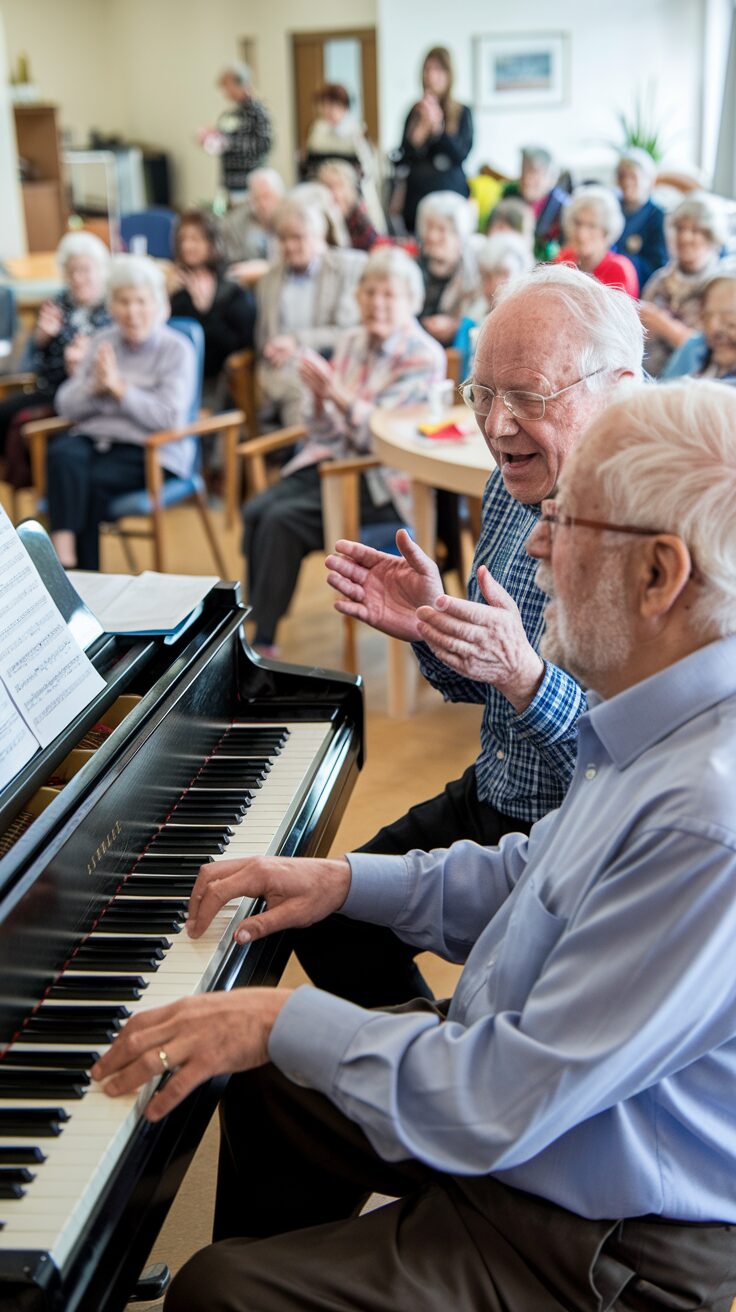
The range of activities offered in care homes under the guidance of these coordinators is extensive. They include community outings, live events, pet therapy, gardening, baking, art classes, book clubs, and more, ensuring there's always something engaging for every resident. Activities can be group-based or one-on-one, catering to those who prefer a quieter setting.
Care homes offer diverse activities tailored to their residents' interests, abilities, and well-being. The specific offerings often depend on the facility's resources, size, and budget. Here's an overview of the types of activities commonly found in care homes:
Hobbies
- Gardening Clubs: Both flower and vegetable gardening.
- Book Groups: Encouraging reading and discussion.
- Guest Talks: On various topics, like local history.
- Crafting Sessions: For creative expression.
Fitness and Wellbeing

- Yoga and Aerobics: Including chair-based exercises.
- Team Games: Promoting physical health and teamwork.
- Pet Therapy: With a range of animals, from dogs to alpacas.
- Religious Services and Celebrations: Catering to spiritual needs.
- Pampering Sessions: Like manicures, massages, or hair styling.
- Sensory Room Activities: If available, for sensory stimulation.
Food-Related Activities

- Cooking and Baking: Interactive kitchen activities.
- Food Tasting: Like cheese and wine sampling.
Social Activities

- Craft and Chat Groups: Combining hobbies with socializing.
- Reminiscence Sessions: Sharing and reflecting on past experiences.
- Games and Quizzes: For mental stimulation and fun.
- Singing and Music Groups: Encouraging musical interest.
- Parties and Celebrations: For social enjoyment and community building.
Art and Creativity

- Painting and Art Classes: For artistic expression.
- Jewellery Making and Flower Arranging: Creative and fine motor skills development.
- Art Therapy: Focused on emotional and psychological well-being.
Entertainment

- Live Music and Performances: Including visiting musicians and pantomimes.
- Themed Days and Armchair Travel: Exploring cultures and places.
- Community Events: Like garden parties, fetes, and barbecues.
Outings and Excursions

- Local Trips: To pubs, restaurants, or community events.
- Cultural Visits: Visit museums, theaters, or sports matches.
- Nature Outings: To beaches, gardens, or nature reserves.
- Shopping and Swimming Excursions: For everyday experiences.
- Personalized Outings: Tailored to individual interests, like visiting a favorite football club.
What Are Some Examples of Personalized Activities Offered in Care Homes?
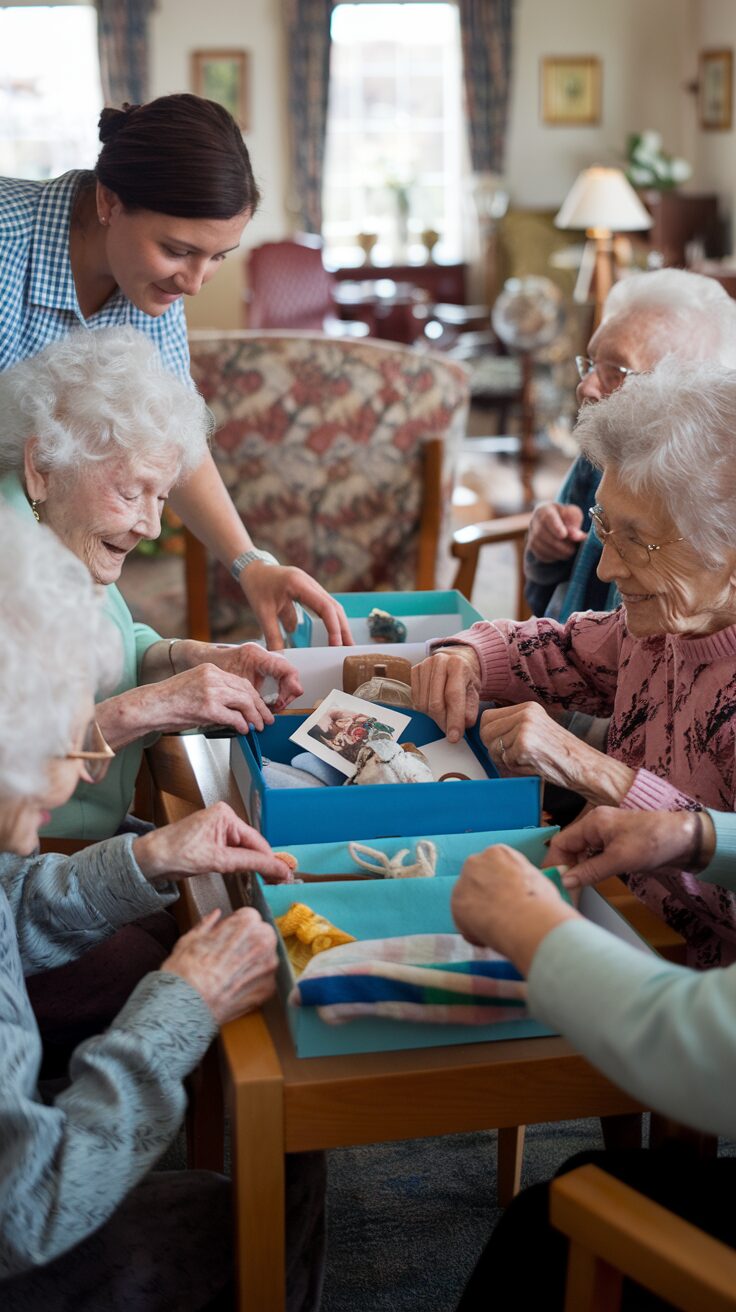
Personalized activities in care homes are designed to cater to residents' individual interests, abilities, and histories, creating a more engaging and fulfilling experience. Here are some examples:
- Life Story Activities: Tailoring activities that reflect a resident's personal history, like a book club for a former librarian or gardening for someone who loves to garden.
- Memory Boxes: Creating personalized boxes filled with items significant to a resident's past, aiding in memory recall and providing comfort.
- One-on-One Music Sessions: If a resident loves music, individual sessions with a variety of music they enjoy or have a personal connection with can be very therapeutic.
- Art and Craft Based on Personal Interests: Customized art projects that resonate with a resident's past hobbies or interests, like painting for former artists or DIY crafts for someone who enjoys hands-on projects.
- Culinary Activities: For those who enjoy cooking or baking, participate in preparing meals or baking sessions based on their favorite recipes or cuisines.
- Fitness Programs: Tailored to individual physical capabilities and interests, ranging from gentle yoga for a former yoga enthusiast to light walking groups for nature lovers.
- Pet Therapy: Especially for animal lovers, arranging visits from therapy animals or allowing them to spend time with care home pets if available.
- Cultural and Religious Celebrations: Organizing festivities or observances that are meaningful to the resident's cultural or religious background.
- Virtual Reality Experiences: Offering VR sessions that can transport residents to places they've always wanted to visit or bring back memories of places they've been.
- Personalized Reading Programs: Setting up a reading schedule that includes books or genres a resident has always enjoyed or topics they're curious about.
- Reminiscence Therapy: Utilizing photos, music, and other memorabilia to encourage residents to share stories and experiences from their past.
- Garden Access for Nature Lovers: Allowing residents with a passion for the outdoors to spend time in a garden, either tending to plants or simply enjoying the environment.
- Interactive Technology: Using tablets or computers for residents to play games, video chat with family, or explore hobbies online tailored to their interests.
These activities keep residents engaged and help maintain their identity and dignity, contributing significantly to their overall quality of life in the care home.
Conclusion
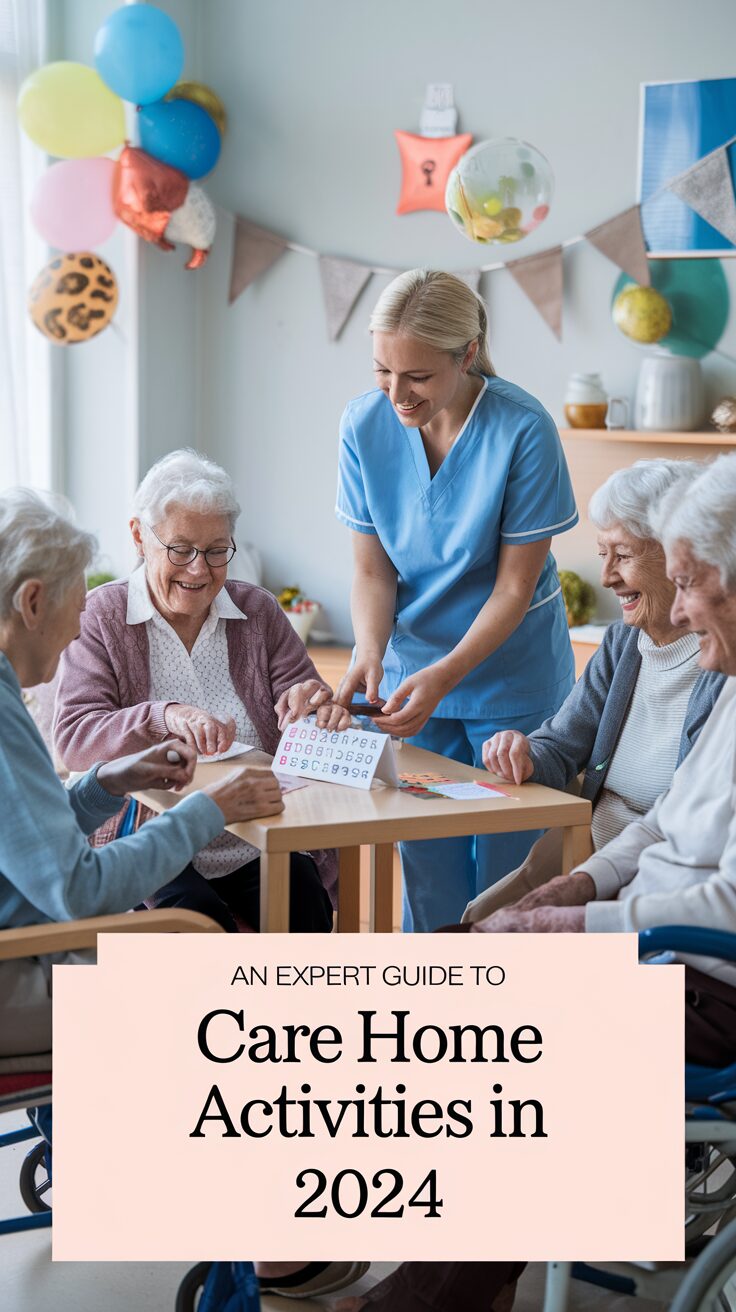
In conclusion, the diverse activities offered in care homes are more than just a way to pass the time; they are vital components of a holistic care approach, fostering physical, mental, and emotional well-being. Whether gardening, art therapy, or community outings, these activities are tailored to suit various interests and abilities, ensuring every resident can find something they enjoy. It's important to consider the individual needs and preferences of the resident when selecting activities, as this promotes engagement and enhances the overall quality of life. While minimal risks are involved, such as adapting activities for physical limitations, care homes are equipped to handle these with expertise. Remember, the goal is to enrich the lives of residents, offering them opportunities to maintain their hobbies, learn new skills, and form meaningful connections. As you consider care home options, please take a moment to explore their activity offerings and see how they align with your or your loved one's interests. This proactive approach can make the transition to care home living a more fulfilling and enjoyable experience.
Here’s a suggested section you can include in your article:
Useful Links To Learn More
- NAPA (National Activity Providers Association) – A UK charity that promotes meaningful activities in care homes, offering resources and ideas for enhancing the quality of life for residents.
- Age UK - Staying Active in Later Life – Provides advice on the importance of staying active, with suggestions for fun, engaging activities for older adults.
- MindforYou – Offers activity-based holidays and day trips for people living in care homes, designed to support mental well-being and physical health.
- The Royal Voluntary Service - Activities in Care Homes – Organizes volunteer-led activities to enrich the lives of care home residents, from arts and crafts to social events.
- Oomph! Wellness – Specializes in activity programs and training for care homes to help improve physical and mental well-being through creative and engaging activities.
Feature image via Unsplash
Keep reading

20 Amazing Crochet Beginner Ideas
Join the fun with these 20 amazing beginner crochet projects that will inspire your creativity and lead you to endless possibilities!

20 Amazing Crochet Blue Ideas
Join us as we unveil 20 amazing blue crochet projects that will inspire your creativity and elevate your crafting game!
20 Amazing Crochet Black Ideas
Marvel at these 20 amazing black crochet projects that will ignite your creativity and inspire your next crafting adventure! Discover your new favorite today.
Need personal guidance?
Talk to an advisor
Our care experts are here to help you make the right choice — for free.