Can You Take A Walking Stick On A Plane - Get The Facts Before You Fly
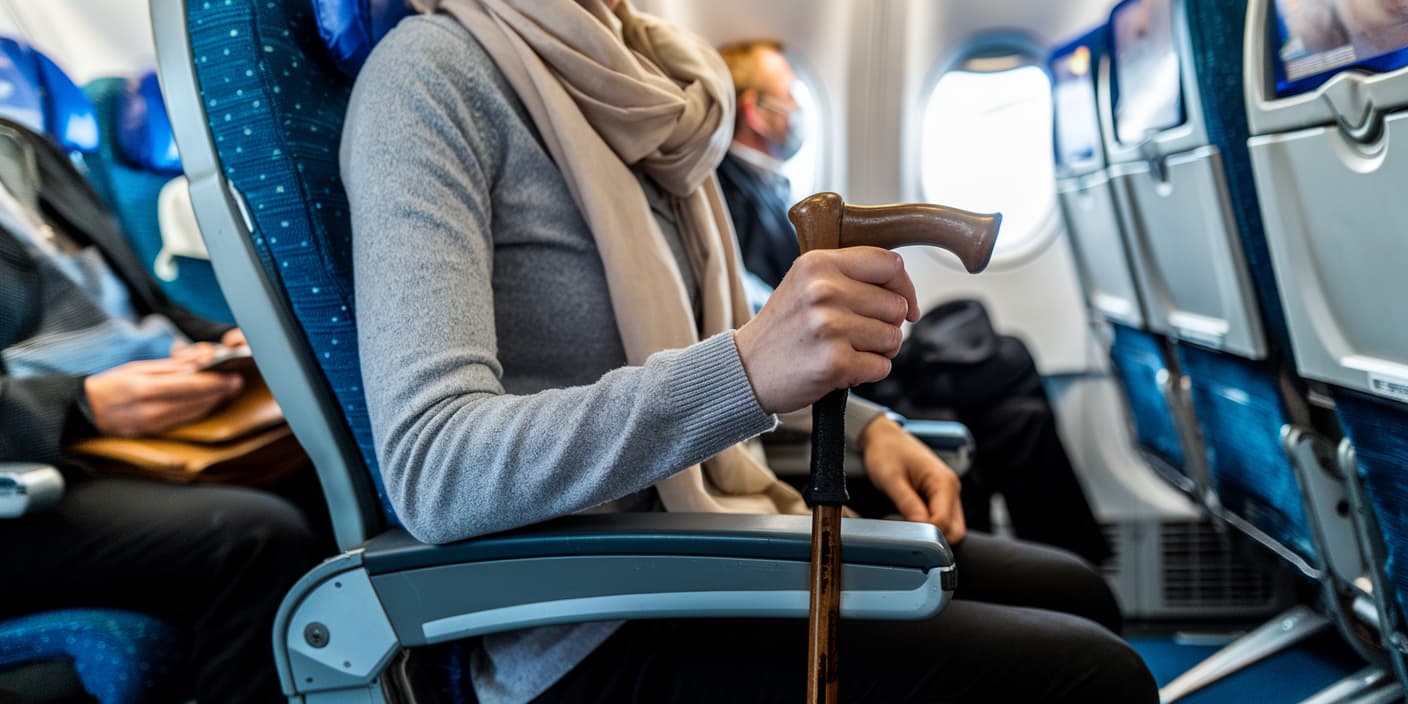
Yes, you can take your walking stick on a plane! The TSA allows walking sticks in both carry-on and checked baggage, making travel accessible and comfortable for those who need mobility support. You'll need to send your walking stick through X-ray screening at security checkpoints, where TSA agents will quickly examine it. While medical documentation isn't usually required, having a doctor's note can be helpful. Let's explore the specific guidelines that'll make your journey smoother.
Key Takeaways
- Walking sticks are permitted on planes in both carry-on and checked baggage but must undergo X-ray screening at security checkpoints.
- TSA provides temporary mobility assistance during screening, and walking sticks are returned immediately after security checks.
- Folding canes, wooden sticks, and aluminum canes are all allowed, but avoid those with sharp tips or hidden compartments.
- Carrying a healthcare provider's letter is helpful but not mandatory for standard walking sticks on most airlines.
- Walking sticks must be screened separately on the X-ray belt, so allow extra time for security processing.
TSA Guidelines for Walking Sticks

While traveling by air with a walking stick might seem challenging, the Transportation Security Administration (TSA) has clear guidelines to help you navigate security checkpoints with confidence. You'll be glad to know that walking sticks are allowed in both carry-on and checked baggage, but they'll need to go through the X-ray screening process.
When you arrive at security, you'll need to place your walking stick on the X-ray belt. If you rely on it for mobility, don't worry - TSA officers will provide a temporary mobility aid while they screen your walking stick, ensuring your safety and comfort throughout the process. As part of their duty of care, airport staff must ensure proper assistance and safety measures for all passengers requiring mobility support.
Carry-On vs. Checked Baggage Requirements
Although both carry-on and checked baggage options are available for your walking stick, each comes with its own set of requirements you'll need to contemplate. If you're planning to carry your walking stick onboard, you'll need to keep it with you at all times and be ready to have it inspected at security checkpoints. For checked baggage, you'll want to wrap your walking stick carefully in protective materials and secure it properly to prevent damage during transit. Many travelers find that carrying their walking stick onboard offers more peace of mind, especially if it's needed during the journey. For those over 50, joining local walking groups can provide valuable advice about traveling with mobility aids while fostering new social connections.
Documentation and Medical Necessity
The right documentation can make traveling with your walking stick much smoother and stress-free. If you use your walking stick for medical reasons, it's helpful to carry a letter from your healthcare provider explaining its necessity. This documentation should detail your condition and why you need mobility assistance during travel.
You'll find that most airlines don't require medical documentation for walking sticks, but having it can prevent questions or delays at security checkpoints. If you're bringing specialized or custom mobility aids, it's especially important to have supporting paperwork that confirms your specific needs and requirements. Similar to a Carer Friendly Card, carrying proper identification can help authenticate your need for mobility assistance during air travel.
Different Types of Walking Sticks Allowed

Most traditional walking sticks and canes are permitted on planes, including folding canes, wooden walking sticks, and adjustable aluminum models. You'll find that airlines welcome mobility aids that help you travel comfortably and safely. Seniors aged 62 and over can enjoy Marriott Hotels discounts ranging from 5-30% when traveling with their walking aids.
| Type | Features | Security Check |
|---|---|---|
| Folding Canes | Compact, portable | Easy to screen |
| Wooden Sticks | Classic, sturdy | Standard check |
| Aluminum Canes | Lightweight, adjustable | Quick process |
| Carbon Fiber | Modern, durable | Simple screening |
| Smart Canes | Electronic aids | Extra inspection |
While you can bring most walking sticks aboard, it's best to avoid those with sharp tips, hidden compartments, or sword-style designs that might raise security concerns.
Security Screening Procedures

Security screening for walking sticks follows straightforward procedures that you'll find manageable and stress-free. When you arrive at the security checkpoint, place your walking stick on the X-ray belt, just like your other carry-on items. The TSA agents will examine it carefully to guarantee it meets safety requirements.
If you need your walking stick for mobility during screening, let the agents know. They'll provide alternative screening methods while guaranteeing you stay comfortable and supported. You'll receive your walking stick back immediately after screening, and the agents will help you if needed. Similar to a BPA-free plastic walking aid, your mobility device will be handled with care during the screening process.
International Travel Regulations
While international regulations for walking sticks vary by country, you'll find that most airlines and airports follow similar guidelines worldwide. You'll need to declare your walking stick at check-in, and it's helpful to carry documentation from your doctor if it's a medical necessity.
When traveling between countries, you should check specific regulations before your flight, as some nations have stricter rules about mobility aids. Generally, you're allowed to keep your walking stick with you during the flight if you need it for mobility, but some countries might require additional screening or paperwork, especially for decorative or non-medical walking sticks.
Airline-Specific Policies

Different airlines have their own specific rules about walking sticks, and you'll want to check your carrier's policies before heading to the airport. Many major airlines like United, Delta, and American Airlines allow walking sticks as mobility aids free of charge, and they won't count them as part of your carry-on allowance.
You'll find that most airlines require you to store your walking stick in the overhead bin during takeoff and landing. Some carriers might ask you to check your walking stick at the gate, especially if it's longer than standard size or has sharp tips. Don't worry - they'll return it to you right after landing.
Storage During Flight

Once you're settled on the plane, you'll need to know where to keep your walking stick during the flight. Most airlines offer convenient storage options that'll keep your mobility aid safe and accessible.
| Storage Location | Best For |
|---|---|
| Overhead bin | Foldable sticks |
| Under seat | Compact canes |
| Coat closet | Full-length aids |
| Flight attendant | Special storage |
| Seat side | If approved |
You can store your walking stick in the overhead compartment, but if you might need it during the flight, let your flight attendant know. They'll help you find a spot that's within easy reach, ensuring you're comfortable throughout your journey.
Tips for Navigating the Airport

Getting through the airport with a walking stick can feel much easier when you're prepared with the right strategies. Always arrive at least 30 minutes earlier than usual to allow extra time for security screening and moving between terminals. If you need assistance, don't hesitate to request wheelchair service at check-in, even if you only need occasional help.
Keep your boarding pass and ID easily accessible in a front pocket, and consider wearing slip-on shoes to make security checks smoother. Remember, you'll need to place your walking stick on the X-ray belt, so plan to use the security line's handrails for temporary support.
Choosing a Travel-Friendly Walking Stick

The right walking stick can make all the difference in your travel experience. When selecting one for air travel, look for lightweight materials like aluminum or carbon fiber that won't weigh you down. Choose a collapsible or foldable design that'll fit easily in your carry-on or overhead compartment.
Make sure your walking stick has a comfortable grip, non-slip rubber tip, and adjustable height settings. It's also helpful to pick one with a wrist strap for extra security. Consider models with built-in shock absorption to reduce stress on your joints while walking through long airport terminals or exploring your destination.
Frequently Asked Questions
Can I Bring Multiple Walking Sticks on the Same Flight?
While you could carry enough walking sticks to support an entire hiking group, airlines typically let you bring multiple walking sticks on your flight. You'll need to check with your specific airline, as policies can vary. If you're traveling for medical reasons, it's best to bring documentation from your doctor. Remember, you'll need to check longer sticks as baggage, while compact ones might be allowed in the cabin.
What Happens if My Walking Stick Breaks During the Flight?
If your walking stick breaks during your flight, don't worry! You should immediately notify a flight attendant, who'll help you document the damage and file a report. When you land, visit the airline's baggage service office to submit a claim for compensation. In the meantime, if you need mobility assistance, the airline staff will provide you with a temporary walking aid and wheelchair service to help you navigate the airport safely.
Are Decorative or Antique Walking Sticks Treated Differently at Security?
Yes, decorative and antique walking sticks often receive extra scrutiny at security checkpoints. You'll need to check them in as special items, and security might ask about their materials and construction. If your walking stick has hidden compartments, metal inlays, or valuable ornamentation, you should inform security officers beforehand. It's best to carry documentation proving the stick's historical value and bring it in protective packaging.
Can Children Bring Small Walking Sticks as Toys on Planes?
Like a game of airplane checkers, bringing toy walking sticks requires careful planning. You'll need to check with your specific airline first, as policies can vary. Most carriers won't allow wooden toy sticks in the cabin, as they could be seen as potential weapons. Instead, you can pack them safely in your checked luggage. For peace of mind, consider bringing alternative travel-friendly toys that won't raise security concerns.
Do Walking Sticks Count Toward My Carry-On Baggage Allowance?
Yes, your walking stick will typically count as one of your carry-on items, though some airlines may show flexibility if it's medically necessary. You'll want to check with your specific airline, as their policies can differ. If you're using the walking stick for medical support, you might be able to bring it as an additional mobility aid without it counting against your baggage allowance. Just remember to mention it when checking in.
Keep reading

20 Latest Crochet Neck Warmer Ideas To Try In 2025!
Link up with the 20 best crochet neck warmers that blend warmth and style—discover which designs will transform your winter wardrobe!

20 Amazing Crochet Jewelry Ideas
Amazing crochet jewelry ideas await you, featuring unique designs that will inspire your creativity and elevate your accessory game to new heights.

20 Amazing Crochet Kit Ideas
Navigate through 20 amazing crochet kit ideas that spark creativity and joy; discover the perfect project to ignite your crafting passion!
Need personal guidance?
Talk to an advisor
Our care experts are here to help you make the right choice — for free.