7 Best Upper Body Exercises for Over 50's - You Need To Try In 2025!
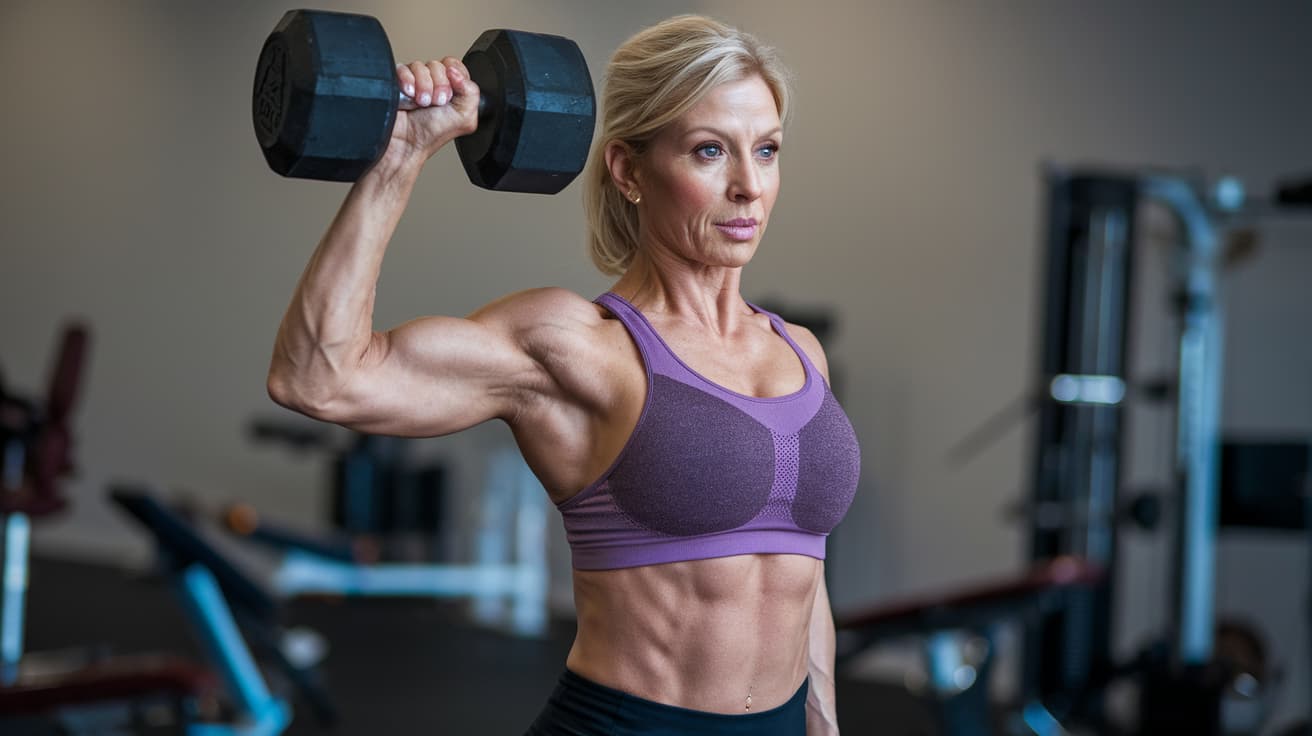
Did you know that maintaining upper body strength can greatly enhance your quality of life as you age? By focusing on specific exercises tailored for seniors, you can improve your mobility, posture, and overall well-being. Implementing a few simple routines not only supports everyday activities but also fosters a sense of accomplishment. Curious about which exercises can effectively target these areas and how to perform them safely? Let's explore the seven best upper body exercises designed specifically for seniors that can help you stay active and engaged.
Key Takeaways
- Seated Dumbbell Shoulder Press improves posture and builds strength in shoulders and triceps while minimizing neck discomfort.
- Wall Push-Ups provide a low-impact way to strengthen the upper body with reduced injury risk compared to traditional push-ups.
- Resistance Band Rows enhance strength with a joint-friendly workout, improving posture and targeting back and arm muscles.
- Bicep Curls and Tricep Extensions focus on essential arm strength, aiding in daily tasks and promoting independence.
- Regular upper body exercises boost mobility, flexibility, and mental health, supporting overall quality of life for seniors.
Seated Dumbbell Shoulder Press

The seated dumbbell shoulder press is a fantastic way to build upper body strength while keeping your joints safe. This exercise targets your shoulders, triceps, and upper back, which can enhance your overall posture. Improved posture not only boosts your confidence but also minimizes discomfort in your neck and back, making daily activities easier.
When it comes to dumbbell selection, start with a weight that feels manageable. You want to challenge your muscles without straining them. If you're unsure, lighter weights can be a good starting point, allowing you to focus on form. As you gain strength and confidence, gradually increase the weight.
To perform the seated dumbbell shoulder press, sit upright in a sturdy chair or bench. Hold a dumbbell in each hand at shoulder height, palms facing forward. As you press the weights overhead, engage your core to maintain stability. Don't forget to lower the dumbbells back to shoulder height with control.
Incorporating this exercise into your routine will help you build strength, improve posture, and promote joint health. Regular practice can lead to noticeable benefits, enhancing your overall quality of life.
Wall Push-Ups

Wall push-ups are an excellent way to strengthen your upper body while minimizing strain on your joints. They're particularly beneficial for seniors, as they allow you to build muscle strength without the risk of injury often associated with traditional push-ups.
To perform wall push-ups, stand facing a wall and place your hands on it at shoulder height, slightly wider than shoulder-width apart. Step back so your body is at an angle. Engage your core and lower your body toward the wall by bending your elbows, then push back to the starting position. This technique helps target your chest, shoulders, and triceps effectively.
The benefits of wall push-ups include improved muscle tone, increased stability, and enhanced overall strength. Plus, they can be easily modified to suit your fitness level. As you progress, you can experiment with foot placement to increase the intensity.
Remember to keep your movements controlled and steady. Breathing deeply during the exercise can help maintain focus.
Incorporating wall push-ups into your routine not only builds upper body strength but also boosts your confidence as you stay active and engaged.
Resistance Band Rows

Resistance band rows are a fantastic way to enhance upper body strength while providing a low-impact workout suitable for seniors. Using resistance bands, you can effectively target your back, shoulders, and arms, making it an excellent addition to your fitness routine.
Here are some key benefits of resistance band rows:
- Improved Posture: Strengthening your upper back helps counteract the effects of slouching and promotes better posture.
- Joint-Friendly: Resistance bands provide a gentle way to build strength without putting undue stress on your joints.
- Versatile Options: With various resistance band variations, you can easily adjust the intensity of your workout to match your fitness level.
To perform resistance band rows, sit or stand with your feet on the band, holding the handles. Pull the band towards your body, squeezing your shoulder blades together.
Remember to keep your core engaged and maintain a straight back. Aim for 10-15 repetitions, adjusting the resistance as needed.
Arm Circles

Incorporating arm circles into your routine complements resistance band rows by adding a dynamic movement that targets your shoulders and improves flexibility. This exercise is simple yet effective, helping you to increase your range of motion and enhance overall mobility.
To perform arm circles, stand with your feet shoulder-width apart and extend your arms straight out to the sides at shoulder height. Start making small circles, gradually increasing their size. You can alternate between forward and backward circles to target different muscle groups.
One of the key benefits of arm circles is their ability to engage multiple muscles, including your deltoids, rotator cuffs, and upper back. As you practice, you'll notice improved strength and coordination.
There are several technique variations you can try, such as arm circles with light weights or resistance bands to add a challenge. You can also do seated arm circles if standing isn't comfortable for you.
Remember to maintain good posture throughout the exercise, keeping your core engaged.
Incorporating arm circles regularly can greatly enhance your upper body strength and mobility, making daily tasks easier and more enjoyable.
Bicep Curls

Strengthening your biceps is essential for enhancing your overall upper body strength and functionality. Bicep curls are a fantastic way to target those muscles and improve your everyday activities.
Plus, there are several bicep curl variations you can explore to keep things interesting and effective.
Here are three emotional benefits of incorporating bicep curls into your routine:
- Increased Independence: Stronger arms help you lift groceries, carry bags, and perform daily tasks with ease.
- Boosted Confidence: Seeing your progress in strength can uplift your mood and self-esteem.
- Enhanced Quality of Life: Improved strength allows you to engage in hobbies and activities you love.
To perform bicep curls with proper form, stand with your feet shoulder-width apart, holding a dumbbell in each hand. Keep your elbows close to your body and slowly lift the weights towards your shoulders while keeping your wrists straight.
Lower them back down with control. You can try variations like hammer curls or concentration curls to challenge your muscles differently.
Tricep Extensions

Tricep extensions are a fantastic exercise for seniors looking to improve their upper body strength and overall functionality. This exercise specifically targets your triceps, the muscles located at the back of your arms, helping to enhance your tricep strength. Strong triceps can make everyday activities, like lifting, pushing, or even getting up from a chair, much easier.
To perform a tricep extension, you can use a dumbbell or a resistance band. Stand or sit with your back straight, holding the weight above your head with both hands. Keep your elbows close to your ears as you slowly lower the weight behind your head, then raise it back to the starting position. Remember to control your movements to avoid injury.
In addition to building strength, tricep extensions also promote joint flexibility in your shoulders and elbows, which is essential as you age.
Incorporating this exercise into your routine a few times a week can lead to noticeable improvements in your arm strength and overall mobility. So give it a try, and enjoy the benefits of stronger, more flexible arms!
Chest Stretch

Flexibility is essential for maintaining a healthy and active lifestyle, especially as we age. One of the best ways to enhance your flexibility is through chest stretches. These stretches not only improve your range of motion but also provide numerous benefits.
Here are three key reasons to incorporate chest stretches into your routine:
- Improves Posture: By stretching your chest, you counteract the effects of slouching, helping you stand taller and feel more confident.
- Reduces Muscle Tension: A chest stretch alleviates tightness in your upper body, which can lead to discomfort and stiffness.
- Enhances Breathing: Opening up your chest can help expand your lung capacity, making it easier to take deep, full breaths.
To perform a chest stretch with proper technique, stand or sit up straight. Gently clasp your hands behind your back, and slowly lift your arms while pushing your chest forward.
Hold the stretch for 15-30 seconds, focusing on your breathing. Remember, it's crucial to listen to your body; don't push too hard.
With regular practice, you'll experience the benefits of flexibility and improved upper body mobility.
Conclusion
Incorporating these upper body exercises into your routine can be a game-changer for your strength and flexibility. Think of your body as a well-tuned instrument; with regular practice, it'll play a beautiful melody of mobility and vigor. Remember to prioritize proper form and listen to your body as you gradually increase the intensity. By committing to these simple yet effective exercises, you're not just working out—you're investing in your health and happiness for years to come.
Keep reading
20 Latest Crochet Neck Warmer Ideas To Try In 2025!
Link up with the 20 best crochet neck warmers that blend warmth and style—discover which designs will transform your winter wardrobe!
20 Amazing Crochet Jewelry Ideas
Amazing crochet jewelry ideas await you, featuring unique designs that will inspire your creativity and elevate your accessory game to new heights.

20 Amazing Crochet Kit Ideas
Navigate through 20 amazing crochet kit ideas that spark creativity and joy; discover the perfect project to ignite your crafting passion!
Need personal guidance?
Talk to an advisor
Our care experts are here to help you make the right choice — for free.