10 Reasons to Work in a Care Home in the UK in 2025!
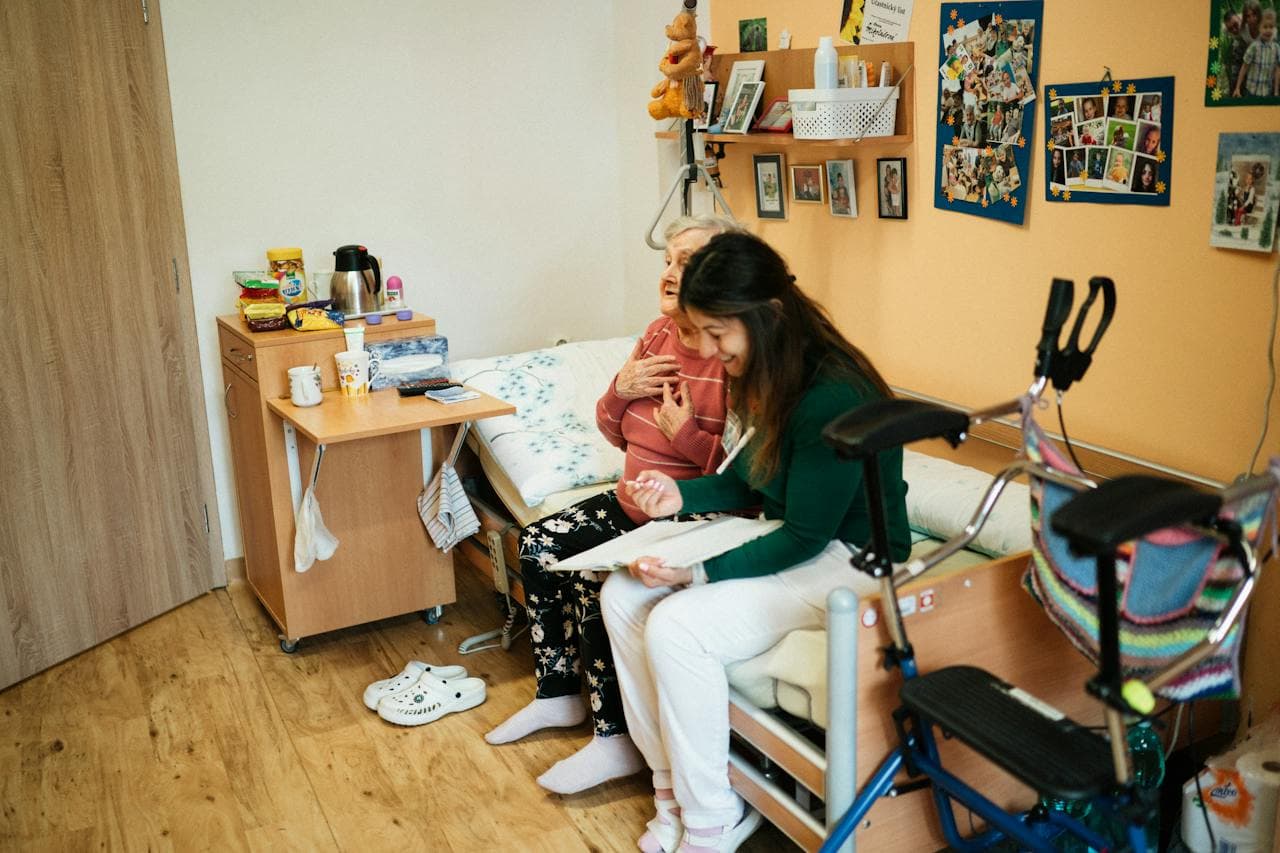
A career in a care home offers more than just a job—it’s an opportunity to make a real difference in people’s lives. Whether you’re an experienced nurse looking for a new direction or someone just starting in healthcare, working in a care home brings unique rewards. It’s about building meaningful relationships, improving the quality of life for residents, and gaining deep personal satisfaction. In this article, we’ll explore ten compelling reasons why a care home could be the perfect place to build a fulfilling and impactful career, with plenty of benefits for both your professional and personal growth.
Meaningful Patient Relationships
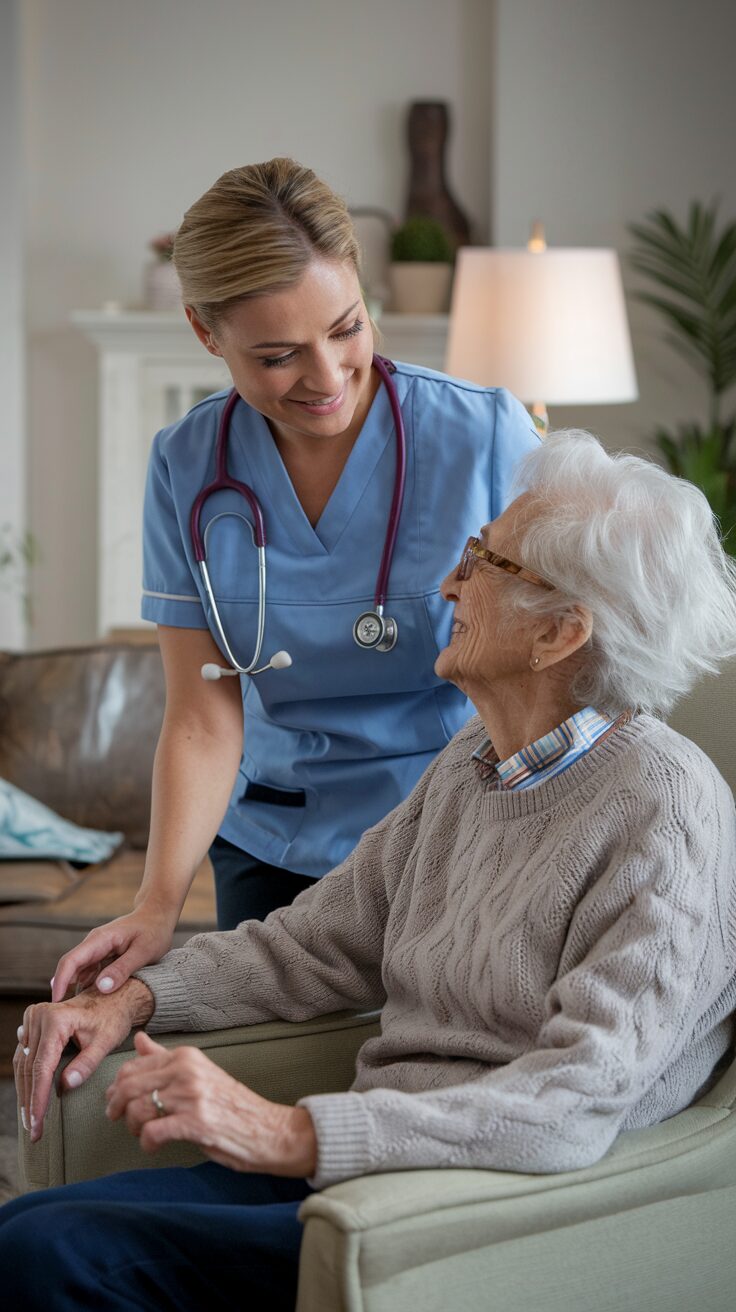
In a care home setting, you have the opportunity to build long-term relationships with residents. Unlike hospitals, where patient turnover is high, care homes allow you to get to know the individuals you care for on a personal level, understanding their histories, preferences, and needs. This deep connection makes your work incredibly rewarding.
Diverse Skill Development
Care homes require nurses and caregivers to handle a wide range of medical and personal care tasks. From managing chronic conditions and administering medications to providing emotional support and end-of-life care, the skills you develop are extensive and versatile, making you a well-rounded healthcare professional.
Flexible Working Hours
One of the significant benefits of working in a care home is the flexibility in working hours. Many care homes offer various shift patterns, allowing you to balance work with personal commitments. This flexibility is particularly beneficial for those with families or other responsibilities.
Team-Oriented Environment
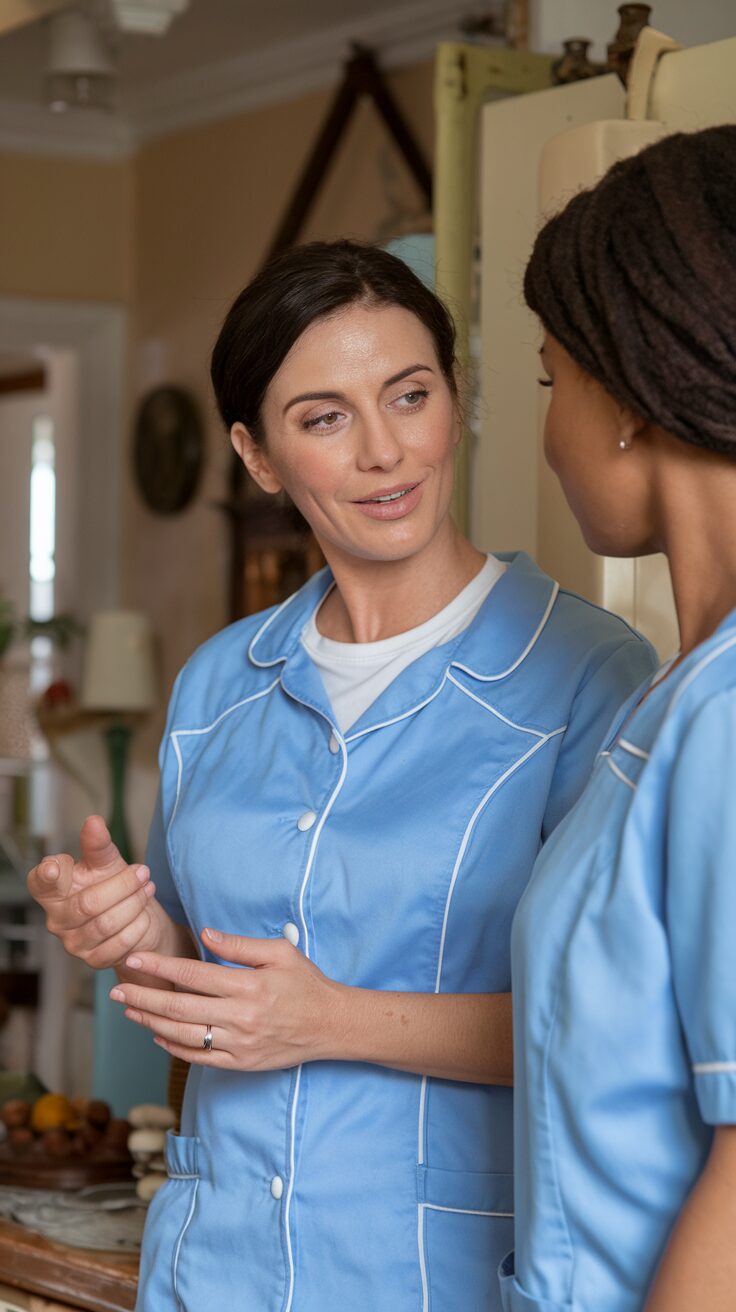
Care homes foster a strong sense of teamwork and community. The close-knit environment means you’ll work alongside a consistent group of colleagues, creating a supportive atmosphere where everyone collaborates to provide the best care for residents.
Job Stability
With an aging population, the demand for care home workers in the UK is on the rise. This growing need provides a stable job market with plenty of opportunities for employment and career advancement, ensuring long-term job security.
Rewarding Career Path
Working in a care home allows you to make a significant difference in the lives of the elderly and those with chronic conditions. The sense of accomplishment from helping others live comfortably and with dignity is a powerful motivator that enriches your career.
Opportunities for Specialization

Care homes offer opportunities to specialize in areas such as dementia care, palliative care, and geriatric nursing. Specializing in these fields not only enhances your skills but also positions you as an expert in crucial areas of healthcare.
Professional Growth
Many care homes provide continuous professional development opportunities, including training programs, workshops, and the chance to gain additional qualifications. This commitment to ongoing learning helps you to advance your career and stay updated with the latest healthcare practices.
Work-Life Balance
The structured environment of care homes allows for a more predictable and manageable workload compared to the often high-pressure settings of hospitals. This can lead to a better work-life balance, reducing stress and improving your overall quality of life.
Positive Work Environment

Care homes often have a warm and welcoming atmosphere, fostering a sense of community and belonging among staff and residents. This positive environment can enhance job satisfaction and make each day at work more enjoyable.
The Current Crisis And Its Causes
The care home sector is currently facing a significant nursing recruitment crisis. A key factor contributing to this situation is the disparity in pay between care home nurses and their NHS counterparts. Due to limited funding from local authorities, care homes need help to offer competitive salaries, making it challenging to attract and retain nursing talent. The recruitment process, especially for international nurses, is lengthy and complex, further exacerbating the issue.
The Impact Of Training And Demographics
The reduction in nurse training places has led to a shortage of qualified nurses in the UK. With the average nurse age 40 and many nearing retirement, the pool of available nurses is shrinking. Even though there was an announcement about increasing training places, the scale of the crisis means that this measure needs to be revised. Care homes increasingly rely on agency nurses, which, while filling gaps, disrupts the continuity of care – an essential aspect in care home settings.
The Benefits Of Care Home Nursing
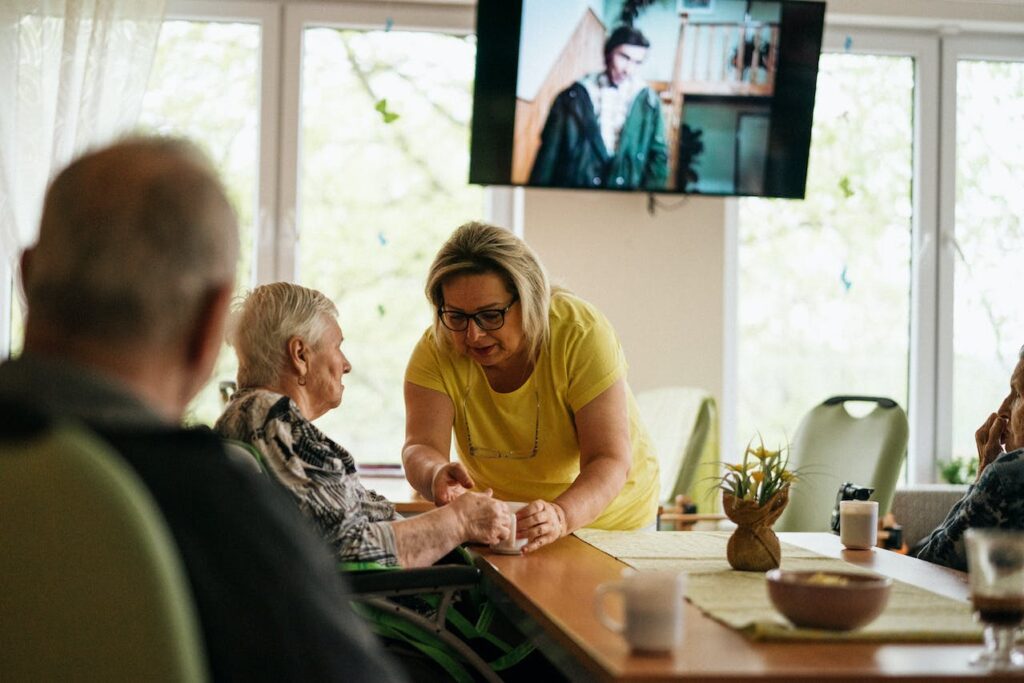
Despite these challenges, working in a care home offers unique rewards. Nurses in this setting can provide personalized, one-on-one care, often enjoying more flexible hours and a strong sense of teamwork compared to the NHS. The job satisfaction, especially in caring for residents with conditions like dementia, can be exceptionally high.
Realities Of Care Home Nursing: A Nurse's Perspective
Claire Phillips, a nurse with nearly two years of experience in a care home, shares her insights. Initially uncertain, she finds the work fulfilling and wouldn't choose another setting. Care home nursing allows for long-term patient relationships and the development of specific skills like managing complex needs and acute conditions.
Myths vs. Reality
Contrary to common myths, care home nursing demands a wide range of clinical skills. Nurses must be adept at handling diverse medical procedures and equipment, often requiring quick thinking and resourcefulness. Effective time management is crucial, balancing medication administration with other responsibilities like care planning and staff management.
Professional Development And Career Growth
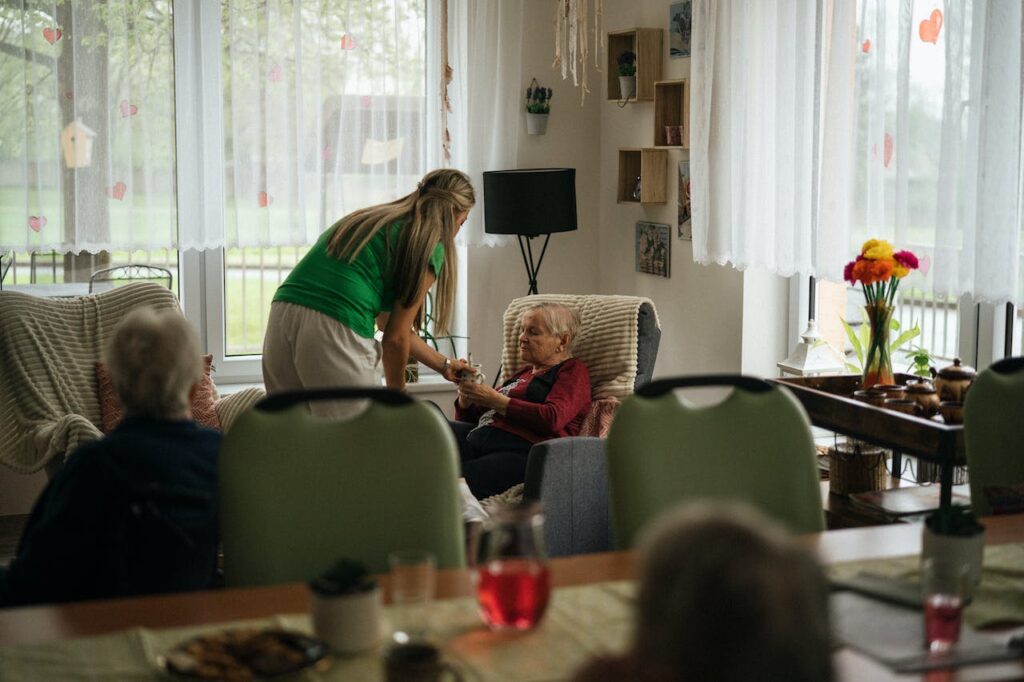
The nursing crisis does place extra demands on staff, including the need for self-directed professional development. However, care homes also serve as valuable training grounds for aspiring nurses and care workers. The environment offers ample opportunities for learning and skill development, which is vital for career progression in healthcare.
10 Challenges Faced By Care Home Nurses
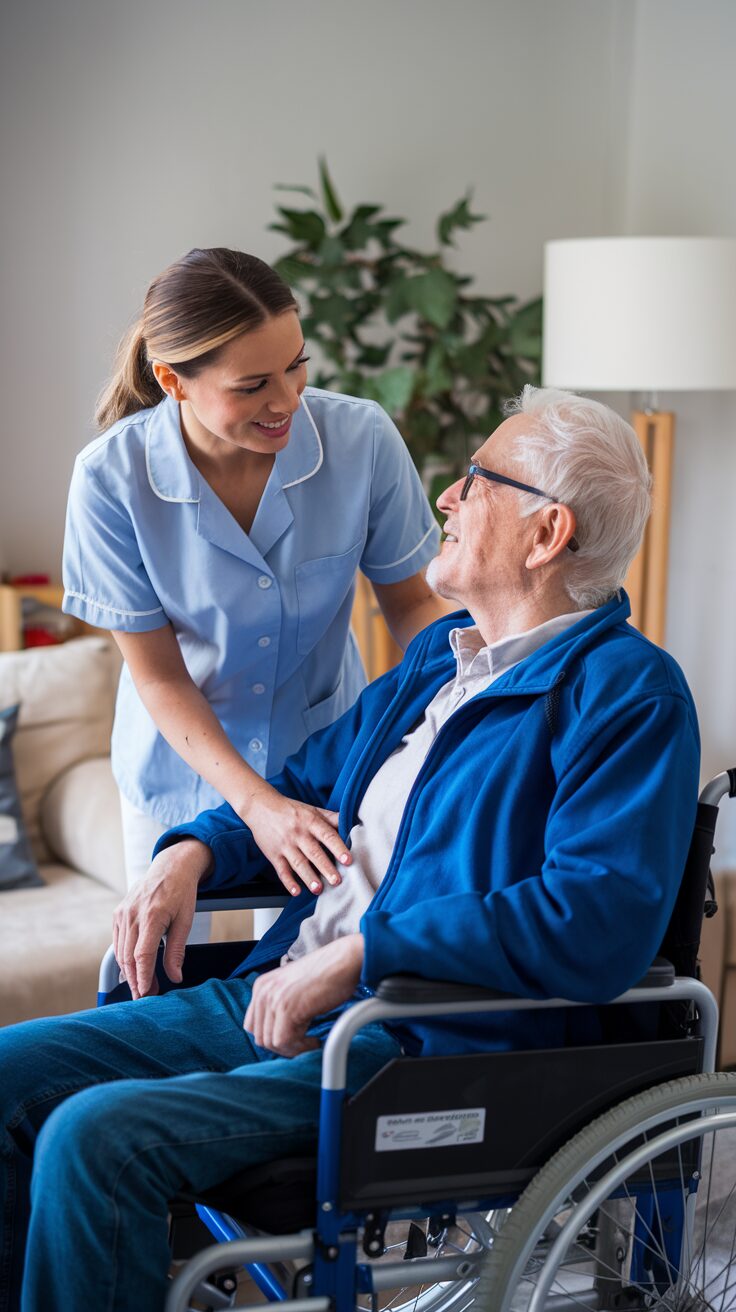
Care home nurses encounter several challenges unique to their setting, distinct from those typically faced in hospital environments. These challenges stem from the nature of the care home environment, the residents' demographics, and the care industry's broader structure. Some of these specific challenges include:
- Complex Health Needs of Residents: Many residents in care homes have complex, chronic conditions such as dementia, Alzheimer's, or physical disabilities. Nurses must manage these multifaceted health needs, often without the immediate support available in a hospital.
- Emotional and Psychological Care: Providing emotional support is a significant aspect of care home nursing. Residents may be dealing with the effects of aging, loss of independence, or grief, requiring nurses to also play a counseling role.
- Resource Limitations: Care homes often operate with tighter budgets than hospitals, which can mean fewer resources and staff. Nurses might manage with limited medical supplies or handle multiple roles due to staffing shortages.
- Long-Term Relationships and End-of-Life Care: Nurses in care homes develop long-term relationships with residents, which can be emotionally taxing, especially when dealing with end-of-life care and the death of residents they've grown close to.
- Regulatory and Paperwork Burdens: Care home nurses often deal with extensive paperwork and regulatory requirements, which can be time-consuming and take away direct patient care.
- Challenges in Continuity of Care: The reliance on agency nurses due to staffing shortages can disrupt the continuity of care, which is crucial for older people and those with chronic conditions.
- Professional Isolation and Development: Care home nurses may experience professional isolation with fewer opportunities for teamwork and collaboration compared to a hospital setting. This can impact their professional development and access to continuous training.
- Managing Family Expectations: Nurses often have to communicate and coordinate with residents' families, which can involve managing expectations and addressing concerns about the care provided.
- Adapting to Individual Care Plans: Each resident in a care home has a unique care plan, and nurses must adapt their approach to effectively meet these diverse needs.
- Psychological Stress: The combination of emotional labor, dealing with chronic illnesses, and sometimes witnessing the decline of residents can lead to significant psychological stress for nurses.
These challenges require care home nurses to have a broad skill set, including clinical expertise, strong communication skills, empathy, and resilience. Despite these challenges, many find working in care homes to be a rewarding experience due to the close relationships formed with residents and the opportunity to significantly impact their quality of life.
10 Policy Changes That Could Improve The Working Conditions And Career Prospects Of Care Home Nurses?

Several policy changes could significantly improve care home nurses' working conditions and career prospects. Implementing these policies requires cooperation from various stakeholders, including governments, healthcare organizations, and educational institutions. Key policy recommendations include:
- Fair Compensation Policy: Implement policies to ensure competitive and fair wages for care home nurses. This could involve government subsidies or mandates that align care home nurses' salaries with those in other healthcare settings.
- Standardizing Staff-to-Resident Ratios: Establishing mandatory minimum staff-to-resident ratios can help ensure that care homes are adequately staffed, reducing the workload and stress on individual nurses.
- Funding for Continuous Professional Development: Policies that provide funding or incentives for ongoing education and training can enhance the skills of care home nurses, contributing to career advancement opportunities and better patient care.
- Mental Health Support: Enact policies that mandate and fund mental health and wellness programs for care home staff, recognizing the emotionally taxing nature of their work.
- Career Progression Pathways: Develop clear career progression pathways for care home nurses, including opportunities for specialization, leadership roles, and advanced practice positions.
- Improved Regulatory Standards: Enhance regulatory standards for care homes, focusing on quality of care, patient safety, and staff working conditions. Regular inspections and compliance checks can ensure these standards are met.
- Incentives for Geriatric Nursing Specialization: Provide incentives such as scholarships, loan forgiveness, or bonus schemes for nurses who specialize in senior care, encouraging more professionals to enter this field.
- Flexible Working Arrangements: Policies that promote flexible working hours and part-time options can attract a broader workforce, including those who might be balancing family or other commitments.
- Integration of Technology: Encourage the adoption of technology to streamline administrative tasks and improve patient care, thereby reducing nurses' manual workload.
- Collaboration with Educational Institutions: Foster partnerships between care homes and nursing schools to provide practical training and internships, raising students' awareness and interest in care home nursing.
- Policy on Safe Working Environments: Implement strict policies to ensure safe working environments, including measures for infection control, violence prevention, and physical safety.
- Public Awareness Campaigns: Support public awareness campaigns that educate about the importance of care home nursing, helping to enhance the image and perception of the profession.
By adopting these policies, stakeholders can create a more supportive and sustainable environment for care home nurses, leading to improved care quality for residents and more fulfilling careers for the nurses themselves.
Conclusion
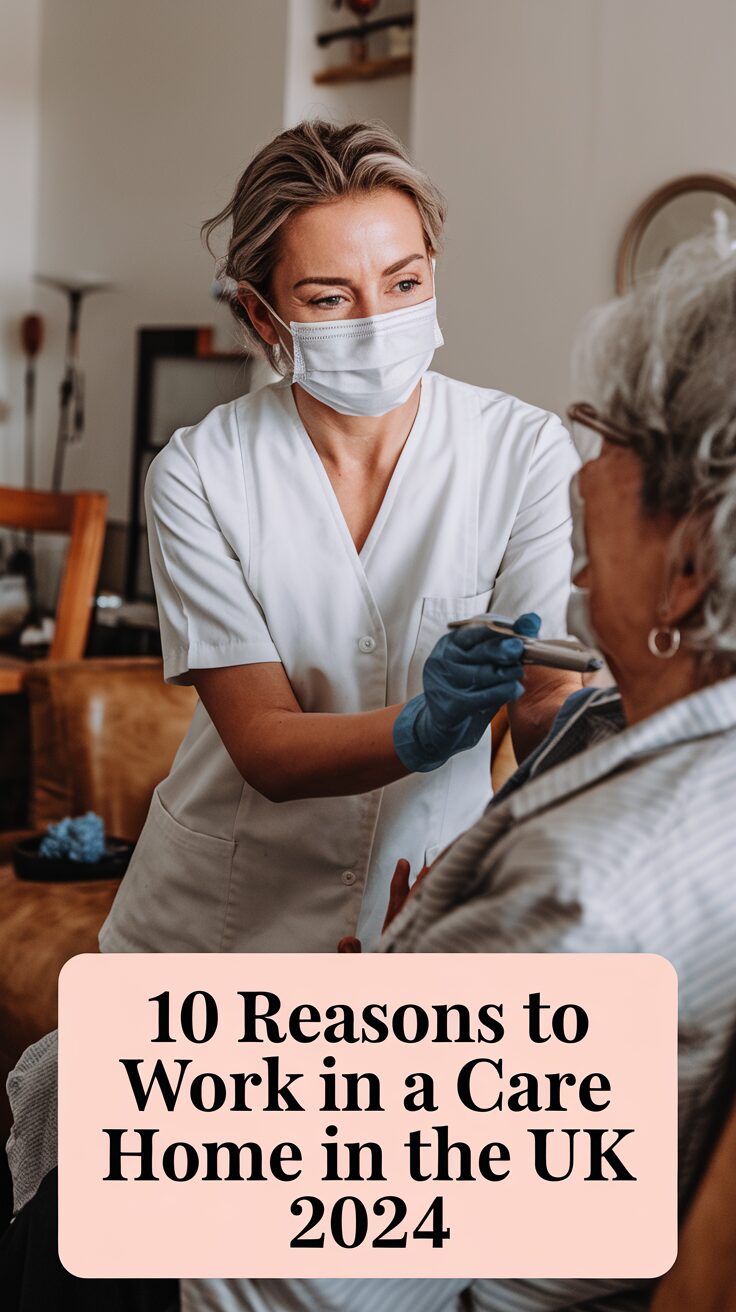
Working in a care home in the UK offers a unique and rewarding career path filled with opportunities for personal and professional growth. The ability to form meaningful relationships, develop diverse skills, and enjoy a flexible work schedule makes it an appealing choice for many healthcare professionals. If you’re looking for a career that makes a difference, consider the many benefits of working in a care home. Your contribution can have a profound impact on the lives of those you care for, making every day a fulfilling experience.
Embark on this rewarding journey and discover the incredible opportunities that await in the care home sector. Whether you’re new to healthcare or an experienced professional, a career in a care home offers a chance to make a real difference in the lives of others while enjoying a fulfilling and stable profession.
Useful Links To Learn More
- National Careers Service – Provides detailed information on working in the social care sector, including roles in care homes.
- Skills for Care – Offers resources and training opportunities for those interested in careers in care homes and adult social care.
- NHS Careers – Explains the different roles available within care homes, including care assistant positions and the qualifications required.
- Care Quality Commission (CQC) – The regulator for health and social care services in the UK, offering insights into care home standards and working environments.
- Care Home Jobs UK – A job board dedicated to opportunities in care homes across the UK, helping you find a suitable role in this rewarding sector.
- The Care Workers Charity – Supports care workers in the UK by providing financial assistance and resources, highlighting the benefits of working in this field.
Keep reading

15 Best Kimono Sewing Ideas You Need to Try
Stunning kimono sewing projects blend traditional Japanese techniques with modern style—discover which of these fifteen designs will transform your wardrobe forever.

15 Best Wallet Sewing Ideas You Need to Try
Want to create the perfect wallet but unsure where to start with these 15 ingenious sewing patterns that range from beginner to advanced?

5 Amazing Black and White Kitchen Ideas You Need to See
Never settle for a dull kitchen when these stunning black and white designs can transform your space into a masterpiece.
Need personal guidance?
Talk to an advisor
Our care experts are here to help you make the right choice — for free.