7 Best Lower Abs Exercise for Women
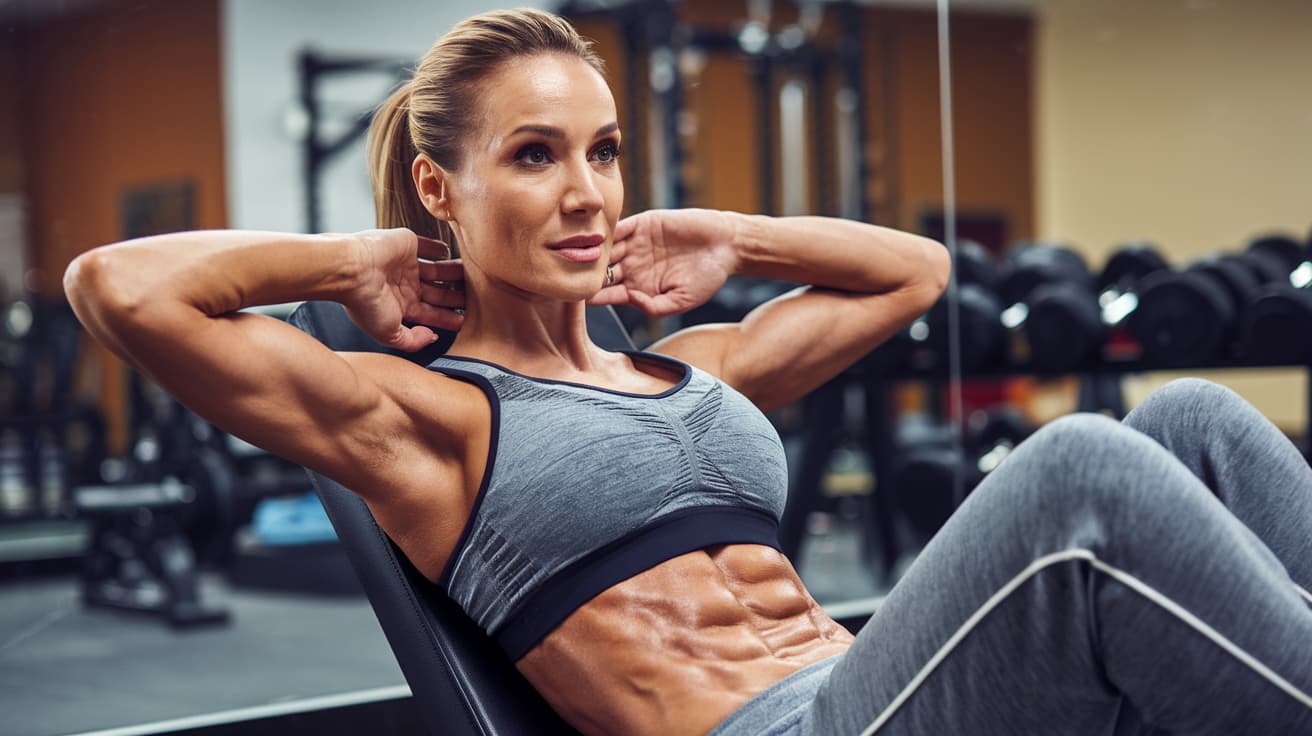
Think of your lower abs as the foundation of a sturdy house; without strength there, the entire structure weakens. You might be wondering how to effectively target this often-overlooked area. Incorporating a variety of exercises not only enhances your core strength but also helps sculpt and define your lower abdominal muscles. From leg raises to mountain climbers, each movement offers unique benefits, but which ones are truly the best? Let's explore the top seven exercises that can elevate your fitness routine and bring you closer to your goals.
Key Takeaways
- Leg Raises effectively target lower abdominal muscles while ensuring proper form to avoid back strain.
- Bicycle Crunches engage both lower abs and obliques, improving coordination and flexibility through a pedaling motion.
- Reverse Crunches focus on the lower abs with minimized neck and back strain, promoting controlled movements for core strength.
- Mountain Climbers provide a dynamic workout for abs and cardiovascular fitness, emphasizing core stability and varied knee movements.
- Flutter Kicks isolate lower abs, requiring controlled leg movements while keeping the lower back pressed against the floor.
Leg Raises

When it comes to sculpting your lower abs, leg raises stand out as one of the most effective exercises you can incorporate into your routine. This exercise targets your lower abdominal muscles, helping to create a toned and strong core.
To get started, it's vital to maintain proper form. Lie flat on your back with your legs extended and hands under your glutes for support. As you raise your legs, keep them straight and avoid arching your back. This guarantees the focus remains on your abs.
If you're a beginner, you can modify the exercise to build strength and confidence. Try bent-knee leg raises, where you lift your knees toward your chest instead of keeping your legs straight. This modification reduces the intensity while still engaging your core.
You can also perform leg raises on an incline or with your upper body elevated to lessen the resistance.
Bicycle Crunches

Bicycle crunches are often regarded as one of the most effective exercises for targeting your lower abs and obliques.
This dynamic movement not only strengthens your core but also improves your coordination and flexibility.
To master the bicycle technique, follow these steps:
- Start Position: Lie on your back, hands behind your head, and lift your legs to a 90-degree angle.
- Engage Your Core: As you lift your shoulders off the ground, engage your core by pulling your belly button towards your spine.
- Pedal Motion: Bring your right elbow toward your left knee while straightening your right leg. Switch sides, bringing your left elbow to your right knee.
- Maintain Control: Keep a steady pace, focusing on controlled movements to maximize core engagement.
Reverse Crunches

For a powerful way to target your lower abs, reverse crunches are a fantastic choice. This exercise not only engages your core effectively but also helps strengthen and tone those stubborn lower abdominal muscles.
One of the key benefits of reverse crunches is that they put less strain on your neck and back compared to traditional crunches, making them a safer option for many.
To perform a reverse crunch, lie on your back, lift your legs to a 90-degree angle, and curl your hips off the ground while bringing your knees toward your chest. Make sure to focus on using your abs rather than momentum to lift your hips.
However, it's easy to make common mistakes that can reduce the effectiveness of this exercise. Avoid pulling on your neck or using your arms for momentum, as this can lead to injury and diminish the workout's benefits.
Instead, keep your movements controlled and engage your core throughout the exercise. By integrating reverse crunches into your routine, you'll not only see improvements in your lower abs but also boost your overall core strength.
Get ready to feel the burn!
Mountain Climbers

After mastering reverse crunches, Mountain Climbers can take your lower abs workout to the next level. This dynamic exercise not only targets your abs but also boosts your heart rate and overall fitness.
To guarantee you're getting the most out of your Mountain Climbers, it's essential to maintain proper form. Here's how to do them effectively:
- Start Position: Begin in a high plank position, hands directly under your shoulders and body in a straight line.
- Engage Your Core: Tighten your abs to stabilize your pelvis and prevent sagging.
- Drive Your Knees: Quickly alternate driving your knees towards your chest, keeping your hips low.
- Maintain Pace: Find a rhythm that challenges you but allows you to keep proper form throughout.
Don't hesitate to explore workout variations, like cross-body Mountain Climbers or slow-motion versions, to keep things fresh and engaging.
Remember, consistency is key! As you improve, aim for longer sets or increased speed to maximize your results. You'll not only feel stronger but also see those lower abs becoming more defined.
Flutter Kicks

If you're looking to really target your lower abs, Flutter Kicks are a fantastic addition to your workout routine. This exercise not only engages your core but also helps enhance your overall stability and flexibility.
One of the primary flutter kick benefits is its ability to isolate and strengthen the lower abdominal muscles, making it a go-to move for anyone aiming for a toned midsection.
To master the proper flutter technique, start by lying flat on your back with your legs extended and your hands tucked under your glutes for support. Lift your legs off the ground slightly, keeping them straight.
Then, alternate kicking your legs up and down in a controlled manner, ensuring you keep your lower back pressed against the floor. It's essential to maintain a steady rhythm and avoid arching your back.
As you perform this movement, focus on your breath, exhaling each time you lower your legs. Aim for 15 to 30 seconds of continuous kicks, gradually increasing as you build strength.
Incorporate Flutter Kicks into your routine, and you'll be on your way to achieving those coveted lower abs!
Plank Knee Tucks

Engaging your core effectively, Plank Knee Tucks are an excellent exercise to sculpt your lower abs while also enhancing overall body strength and stability.
This dynamic movement is one of the best plank variations you can incorporate into your routine for improving core stability.
To perform Plank Knee Tucks, follow these steps:
- Start in a plank position, with your hands directly under your shoulders and your body in a straight line from head to heels.
- Engage your core, pulling your belly button towards your spine to stabilize your body.
- Draw one knee towards your chest, keeping your hips low and avoiding any twisting in your torso.
- Return to the starting position and alternate legs, aiming for 10-15 repetitions on each side.
Not only do Plank Knee Tucks target your lower abs, but they also work your shoulders, glutes, and hip flexors.
As you master this exercise, you'll notice improved strength and stability in your core, making other workouts more effective.
Hanging Knee Raises

Building on the core strength you develop with Plank Knee Tucks, Hanging Knee Raises take your lower ab workout to the next level. This exercise not only targets your lower abs but also engages your hip flexors, giving you multiple hanging benefits.
To begin, find a sturdy pull-up bar. Grip it with your palms facing away and let your body hang freely. Start your movement by drawing your knees toward your chest, focusing on squeezing your abs as you lift. Remember, it's crucial to keep your movements controlled to avoid swinging, which can reduce effectiveness. Instead of rushing through, aim for a slow and steady ascent and descent.
Technique tips include maintaining a slight bend in your elbows and keeping your shoulders away from your ears. This helps protect your joints while maximizing abdominal engagement.
As you progress, challenge yourself with straight leg raises for added intensity. Incorporating Hanging Knee Raises into your routine won't only strengthen your lower abs but also improve overall core stability.
Frequently Asked Questions
How Often Should I Do Lower Abs Exercises per Week?
You should aim for lower abs exercises two to three times a week. This frequency allows for recovery while incorporating workout variations to keep your routine engaging and effective. Stay consistent, and you'll see progress!
Can I See Results in Just a Month?
Think of your body as a garden; with consistent effort, you'll see growth. In just a month, you can notice results, but stay focused on your fitness motivation and embrace the journey. Results timeline varies individually.
What Should I Eat to Support Lower Abs Workouts?
To support your lower abs workouts, focus on meal timing and nutrient balance. Eat lean proteins, healthy fats, and complex carbs. Fuel your body properly, and you'll see better results and feel energized for each session!
Are Lower Abs Exercises Safe During Pregnancy?
Exercising during pregnancy can be like walking a tightrope; you need balance. With proper pregnancy precautions, focusing on core stability can be safe. Always consult your healthcare provider to guarantee a healthy workout routine. Stay strong!
Can I Do These Exercises at Home Without Equipment?
You can do bodyweight exercises at home for an effective workout. Focus on engaging your core with movements like leg raises and planks. You'll build strength without any equipment while enjoying a convenient home workout!
Conclusion

By incorporating these seven effective exercises into your routine, you're not just sculpting your lower abs; you're building a strong foundation for your entire body. Think of your core as the trunk of a tree—without a sturdy trunk, the branches can't thrive. Just like nurturing that tree with proper care, consistent practice will yield remarkable results. So, get started today, stay dedicated, and watch how your strength blossoms into a healthier, more confident you!
Keep reading
20 Latest Crochet Neck Warmer Ideas To Try In 2025!
Link up with the 20 best crochet neck warmers that blend warmth and style—discover which designs will transform your winter wardrobe!

20 Amazing Crochet Jewelry Ideas
Amazing crochet jewelry ideas await you, featuring unique designs that will inspire your creativity and elevate your accessory game to new heights.

20 Amazing Crochet Kit Ideas
Navigate through 20 amazing crochet kit ideas that spark creativity and joy; discover the perfect project to ignite your crafting passion!
Need personal guidance?
Talk to an advisor
Our care experts are here to help you make the right choice — for free.