7 Best Leg Exercises for Bad Knees - An Expert Guide
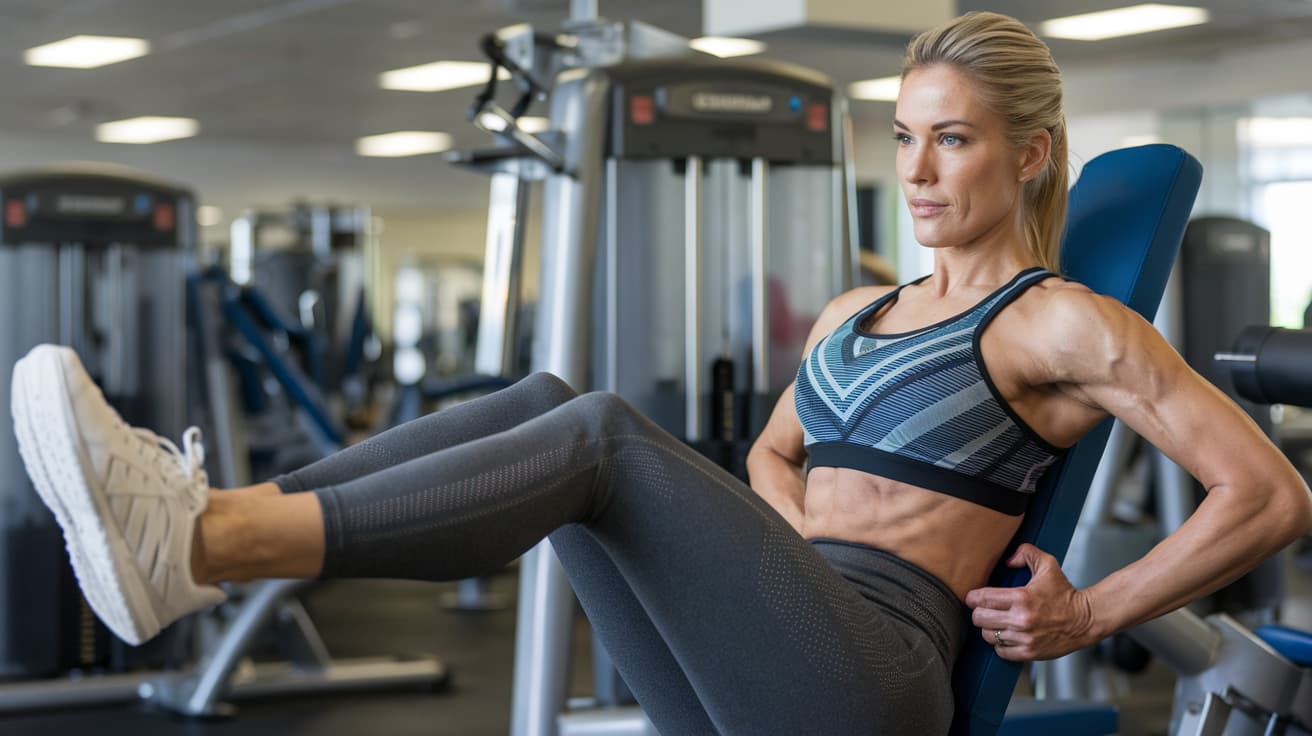
Did you know that strengthening the muscles around your knees can markedly alleviate discomfort? For those dealing with knee issues, selecting the right exercises is essential to guarantee safety while still promoting strength and stability. You might be surprised to learn about the specific movements that can help you regain confidence in your legs without causing further strain. Keep in mind that not all exercises are created equal; some may be more beneficial than others. Let's explore the seven best options that cater to your needs and support your journey toward improved knee health.
Key Takeaways
- Focus on low-impact exercises like seated leg extensions and resistance band leg presses to strengthen legs without straining the knees.
- Incorporate wall sits and glute bridges to build lower body strength while minimizing knee stress.
- Utilize clamshells to target hip muscles, enhancing stability and support for the knee joint.
- Perform step-ups with caution, adjusting the height of the step to accommodate knee comfort and safety.
- Always consult a healthcare professional for personalized modifications and to ensure proper exercise form.
Seated Leg Extensions

Performing seated leg extensions can be a beneficial exercise for individuals with bad knees, as it helps strengthen the quadriceps without placing undue stress on the joints. This exercise is particularly effective because it allows you to maintain proper knee safety while targeting vital muscle groups.
To begin, sit on a sturdy chair with your feet flat on the floor. Engage in seated modifications by gently raising one leg until it's fully extended, keeping your knee aligned with your hip. Hold for a few seconds, then lower your leg back to the starting position.
It's important to perform this movement slowly and with control to minimize strain on your knees. Aim for 10 to 15 repetitions on each leg, adjusting the number based on your comfort level.
Incorporating seated leg extensions into your routine not only strengthens the quadriceps but also improves overall knee stability. This exercise can be particularly helpful in rehabilitation settings or for those managing chronic knee pain.
Always consult with a healthcare professional before starting any new exercise program, ensuring that it's appropriate for your specific condition and needs.
Wall Sits

Wall sits are a highly effective exercise for building strength in the lower body while minimizing stress on the knees. This exercise primarily targets the quadriceps, hamstrings, and glutes, enhancing muscular endurance and stability.
The benefits of wall sits include improved lower body strength, increased core stability, and enhanced joint support, all essential for individuals with knee concerns.
To perform the wall sits technique, find a flat wall and stand with your back against it. Slide down until your knees are bent at a 90-degree angle, ensuring your knees remain directly above your ankles. Your back should stay flat against the wall, and your feet should be shoulder-width apart.
Hold this position for 20 to 60 seconds, depending on your fitness level. It's important to maintain controlled breathing throughout the exercise.
As you progress, you can increase the duration or add variations, such as holding weights. Remember to listen to your body; if you experience pain, stop the exercise.
Regular practice of wall sits can lead to significant improvements in lower body strength while providing a safe option for those with bad knees.
Glute Bridges

Glute bridges are an excellent exercise for strengthening the posterior chain while providing minimal strain on the knees. This movement primarily targets the glutes, hamstrings, and lower back, promoting better hip mobility and core stability.
To perform a glute bridge, lie on your back with your knees bent and feet flat on the floor, hip-width apart. Engage your core and press through your heels to lift your hips towards the ceiling, forming a straight line from your shoulders to your knees. Hold the position for a few seconds, then lower your hips back to the ground.
It's essential to maintain proper alignment throughout the exercise, avoiding excessive arching of your lower back. Incorporating glute bridges into your routine can enhance overall lower body strength, contributing to improved functionality in daily activities.
Additionally, this exercise can alleviate discomfort by reinforcing muscle balance around the knee joint. Aim for three sets of 10 to 15 repetitions, adjusting the number based on your comfort level. As you progress, you can increase the challenge by adding resistance, such as a weight across your hips or performing single-leg variations.
Step-Ups

Step-ups are another effective exercise for individuals with bad knees, providing a functional movement that can improve strength and stability in the lower body. This exercise engages multiple muscle groups, including the quadriceps, hamstrings, and glutes, making it an excellent choice for rehabilitation and strengthening.
To maximize the benefits of step-ups, consider various step up variations, such as:
- Low step-ups: Start with a lower platform to reduce strain on the knees.
- Side step-ups: Perform the movement sideways to work different muscle groups and enhance balance.
- Weighted step-ups: Use light weights to increase resistance as your strength improves.
- Single-leg step-ups: Focus on one leg at a time to develop unilateral strength and stability.
The step up benefits include improved mobility, enhanced muscle coordination, and greater stability in everyday activities.
By incorporating step-ups into your routine, you can safely strengthen your legs while minimizing impact on your knees.
Always listen to your body, and consult with a healthcare professional before starting any new exercise program, especially if you have pre-existing knee issues.
Resistance Band Leg Press

The resistance band leg press is an excellent low-impact exercise that can help strengthen your legs without putting excessive strain on your knees.
To perform this exercise, sit on the floor with your legs extended in front of you. Loop a resistance band around your feet, making sure that the band tension is appropriate for your strength level. Anchor the other end of the band to a sturdy object behind you, such as a heavy chair or a wall.
From this position, press your feet forward against the band, extending your legs fully while maintaining proper form. Focus on pushing through your heels and keeping your knees aligned with your toes. Avoid locking your knees at the end of the movement to protect your joints.
Control the return by bending your knees slowly, allowing the band to pull you back to the starting position. Aim for 10 to 15 repetitions, adjusting the band tension as needed to make sure you're challenging yourself without discomfort.
This exercise not only builds strength in your quadriceps, hamstrings, and glutes but also promotes joint stability, making it ideal for those with knee concerns.
Clamshells

Performing clamshells effectively targets the hip muscles, which play an important role in stabilizing the knee joint. By activating these muscles, you can reduce knee strain and improve overall leg stability.
To perform clamshells correctly, follow these steps:
- Lie on your side with your legs stacked and knees bent at a 90-degree angle.
- Keep your feet together and lift your top knee upward, maintaining contact between your feet.
- Lower your knee back down without letting it touch your bottom knee.
Incorporating clamshell variations can further enhance muscle activation. Consider these options:
- Resistance Band Clamshells: Add a resistance band around your thighs for increased tension.
- Clamshell with Extension: After lifting your knee, extend your leg straight out before returning.
- Weighted Clamshells: Hold a light weight on your hip to add resistance.
- Side-Lying Clamshells: Perform the exercise with your bottom leg extended for a different angle of activation.
These variations guarantee thorough engagement of the hip abductors, which is vital for knee health.
Consistent practice can lead to improved strength and stability in the knee joint.
Standing Calf Raises

Building on the foundation established by clamshells, standing calf raises focus on strengthening the calf muscles, which support overall leg stability and contribute to knee health. By enhancing calf strength, you can improve your balance and stability, reducing the risk of falls and injuries.
This exercise is particularly beneficial for individuals with knee issues, as strong calves help in the proper alignment and functioning of the knee joint.
To perform standing calf raises, position yourself near a wall or sturdy surface for support. Stand with your feet hip-width apart, and slowly lift your heels off the ground, rising onto the balls of your feet. Hold this position briefly, then lower your heels back to the ground.
Aim for three sets of 10-15 repetitions, gradually increasing as your strength improves.
Incorporating calf raises into your routine not only promotes injury prevention but also enhances muscle endurance, essential for daily activities. This exercise can be easily modified to suit your current fitness level, making it accessible for anyone looking to strengthen their legs while being mindful of knee health.
Frequently Asked Questions
Can I Perform These Exercises Daily for Better Results?
You can perform these exercises daily, but consider your body's response. Adequate recovery time is essential to prevent overuse injuries. Monitor your progress and adjust frequency based on how well you're recovering from each session.
What Should I Do if I Experience Pain While Exercising?
If you experience pain while exercising, prioritize pain management. Consider modifying your routine or exploring exercise alternatives. Always listen to your body, and consult a healthcare professional for tailored advice to guarantee safe and effective workouts.
Are There Any Specific Warm-Up Routines Recommended?
Yes, incorporating dynamic stretches into your warm-up enhances joint mobility. Focus on leg swings, arm circles, and hip openers to prepare your muscles and joints for activity, reducing the risk of injury during your workout.
How Can I Modify Exercises for Increased Difficulty?
To increase difficulty, visualize adding resistance bands or weights during your exercise variations. Incorporate resistance training methods, like slow movements or unstable surfaces, to challenge your muscles and enhance overall strength without compromising form.
Is Physical Therapy Necessary Before Starting These Leg Exercises?
You don't need physical therapy for leg exercises, but it's beneficial. Rehabilitation importance lies in a strength assessment, ensuring you understand your capabilities and limitations, which promotes safety and effectiveness in your exercise regimen.
Conclusion

Incorporating these seven leg exercises into your routine can be a game-changer for your knee health. Imagine feeling the strength build in your legs, each rep solidifying your stability like roots anchoring a tree. As you engage in seated leg extensions or glide through glute bridges, picture your muscles working in harmony, supporting your joints with newfound resilience. Remember, always consult a healthcare professional before starting, but with commitment, you can nurture your knees and enhance your mobility for a more active life.
Keep reading

20 Latest Crochet Neck Warmer Ideas To Try In 2025!
Link up with the 20 best crochet neck warmers that blend warmth and style—discover which designs will transform your winter wardrobe!

20 Amazing Crochet Jewelry Ideas
Amazing crochet jewelry ideas await you, featuring unique designs that will inspire your creativity and elevate your accessory game to new heights.

20 Amazing Crochet Kit Ideas
Navigate through 20 amazing crochet kit ideas that spark creativity and joy; discover the perfect project to ignite your crafting passion!
Need personal guidance?
Talk to an advisor
Our care experts are here to help you make the right choice — for free.