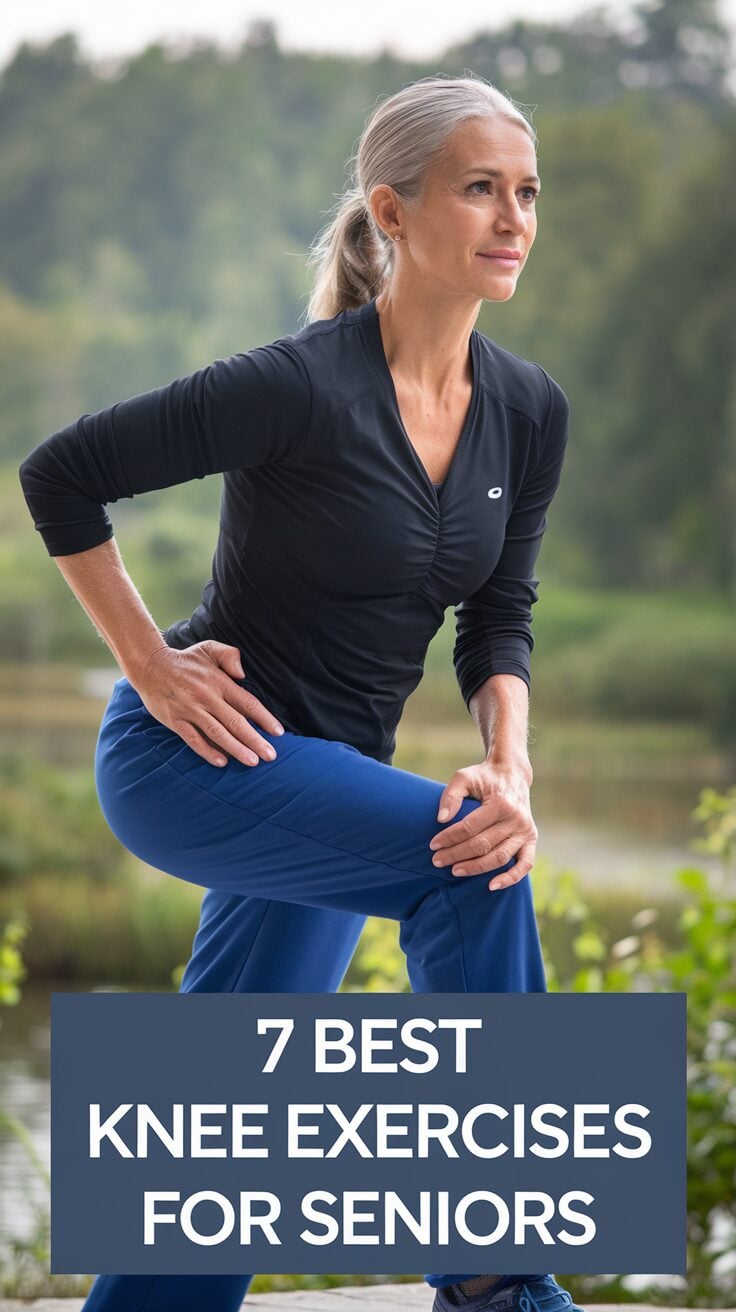
7 Best Knee Exercises for Seniors
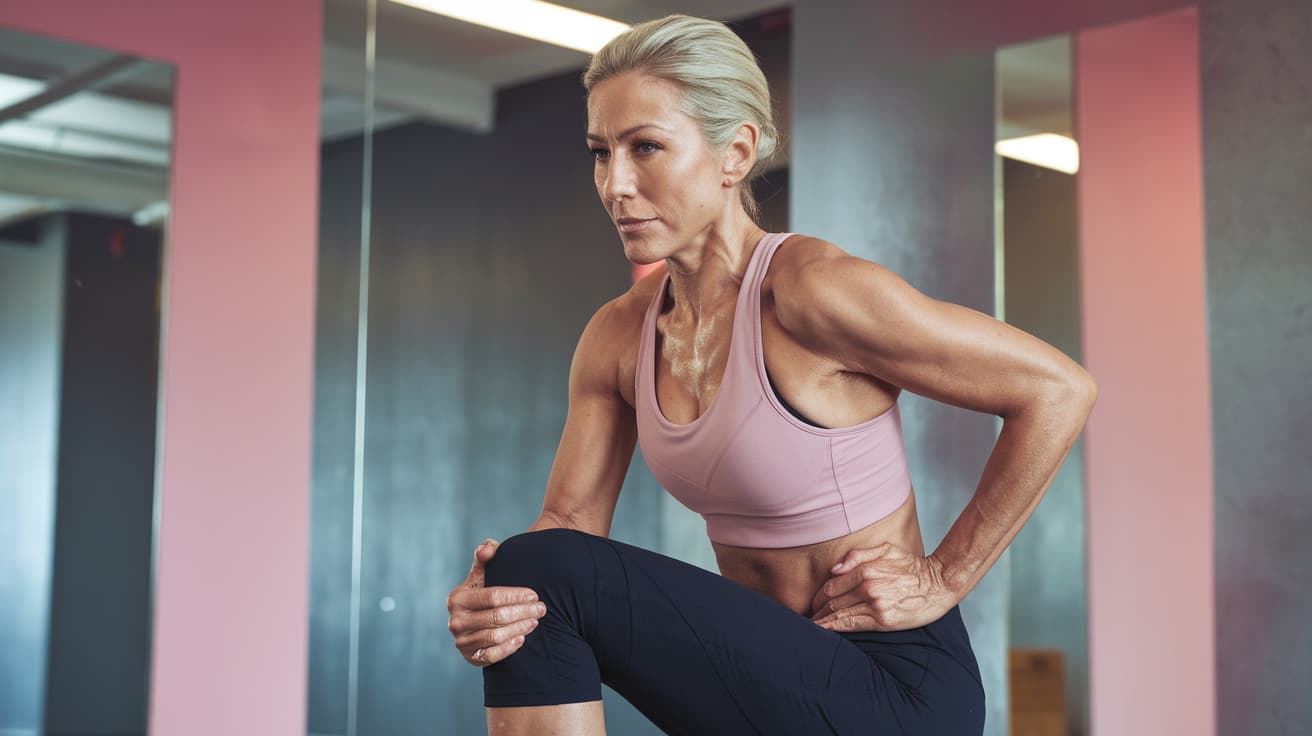
Imagine yourself effortlessly moving through your day, each step feeling lighter and more confident. As we age, maintaining knee health becomes essential for preserving that freedom of movement, yet many aren't sure where to start. The right exercises can strengthen your knees and improve stability, allowing you to tackle daily activities with ease. So, what are the best knee exercises that can help you achieve this goal? The following seven might just be the key to keeping your joints healthy and functional.
Key Takeaways
- Chair leg extensions strengthen quadriceps, enhancing knee strength and mobility for daily activities.
- Standing calf raises improve lower leg strength, balance, and reduce fall risk.
- Seated marching enhances knee stability and leg strength with gentle movements, ideal for seniors.
- Side leg lifts strengthen outer thighs and hip stability, supporting better leg function.
- Wall sits build lower body strength and endurance, improving mobility and reducing injury risk.
Chair Leg Extensions

Chair leg extensions can greatly enhance your knee strength and flexibility. This exercise targets the quadriceps, the muscles at the front of your thigh, which play an essential role in supporting your knees.
When you engage in chair leg extensions, you'll experience significant benefits to your mobility, making daily activities like walking and climbing stairs easier.
To perform this exercise correctly, sit in a sturdy chair with your feet flat on the floor. Confirm your back is straight and your core is engaged.
Slowly extend one leg out in front of you until it's straight, holding for a moment before lowering it back down. Focus on controlled movements to confirm you're using proper technique. This not only maximizes the effectiveness of the exercise but also minimizes the risk of injury.
Aim for 10-15 repetitions on each leg, gradually increasing the number as you build strength. Incorporating chair leg extensions into your routine can help you maintain independence and improve your overall quality of life. Shop For Supplements For Women Over 50
Standing Calf Raises

Standing calf raises are an excellent way to strengthen the muscles in your lower legs, which play an essential role in overall mobility and balance. By engaging the calf muscles, you not only enhance muscle strength but also contribute to balance improvement, reducing the risk of falls.
To perform standing calf raises, begin by standing upright with your feet hip-width apart. You can hold onto a wall or a sturdy chair for support if needed. Slowly rise onto the balls of your feet, lifting your heels off the ground. Hold this position for a moment, then gently lower your heels back to the floor. Aim for 10 to 15 repetitions, gradually increasing the number as you get stronger.
Incorporating standing calf raises into your routine can be beneficial. They help improve the strength and stability of your lower legs, which is crucial for activities like walking, climbing stairs, and maintaining balance.
Remember to consult with your healthcare provider before starting any new exercise program, especially if you have existing health concerns. With consistent practice, you'll likely notice improvements in your overall mobility and confidence in your movements. Shop For Supplements For Women Over 50
Seated Marching
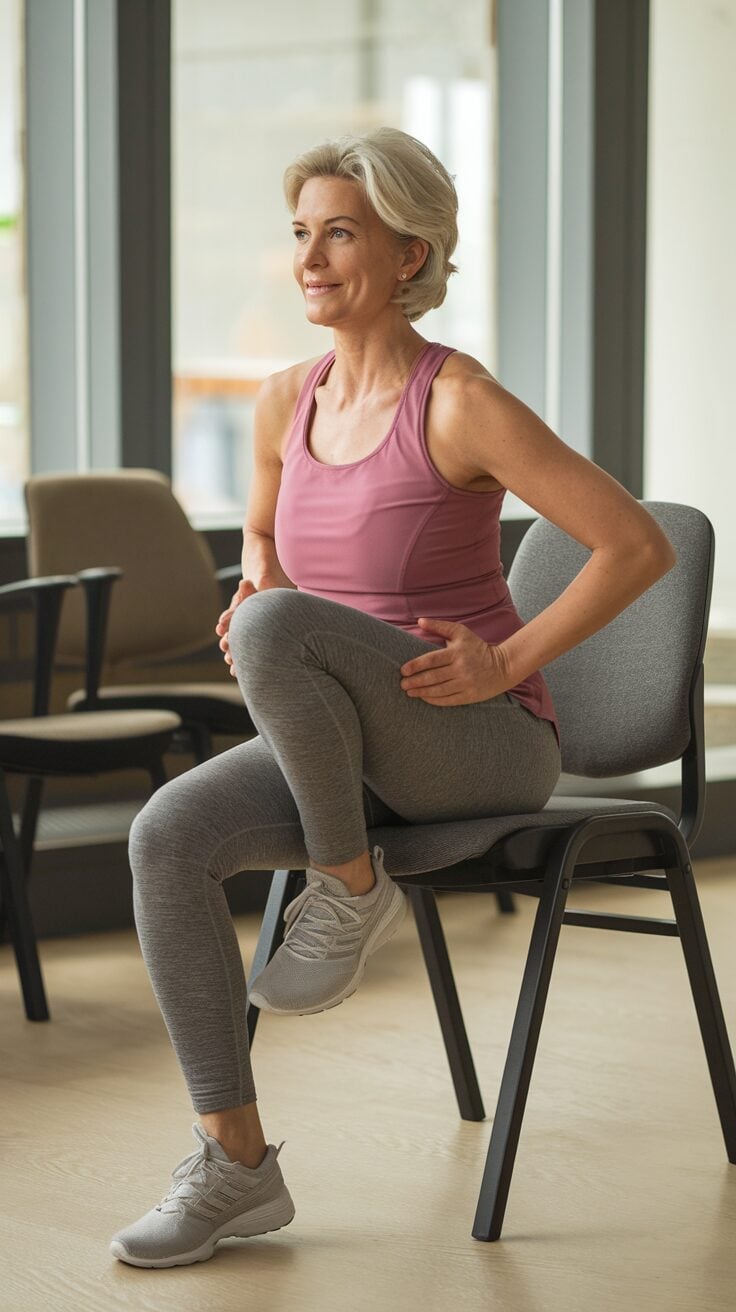
After enhancing your lower leg strength with standing calf raises, it's important to focus on another beneficial exercise: seated marching. This gentle yet effective movement helps improve your knee stability and overall leg strength. The seated benefits of this exercise are particularly appealing to seniors, as it reduces the risk of falls and strain on your joints.
To perform seated marching, sit up straight in a sturdy chair with your feet flat on the floor. Begin by lifting one knee toward your chest while lowering the opposite foot. Alternate legs in a controlled manner, mimicking a marching motion. You can increase the intensity by raising your knees higher or adding rhythm to your movements, but it's crucial to maintain good posture throughout.
Incorporating proper marching techniques, such as keeping your core engaged and shoulders relaxed, can enhance the effectiveness of this exercise. Aim for 10 to 15 repetitions per leg, gradually increasing as you feel comfortable.
Regular practice not only strengthens your knees but also improves circulation and coordination, making it an excellent addition to your exercise routine. Shop For Supplements For Women Over 50
Side Leg Lifts

Side leg lifts are an excellent exercise for enhancing hip stability and strengthening the outer thighs, which can be particularly beneficial for seniors. The benefits of side leg lifts include improved balance, increased mobility, and reduced risk of falls.
By targeting the hip abductor muscles, you'll support better overall leg function, making daily activities easier.
To perform side leg lifts, start by standing next to a wall or holding onto a sturdy chair for support. Stand tall with your feet hip-width apart. Lift your right leg straight out to the side, keeping it aligned with your hip. Avoid leaning your torso; instead, engage your core for stability. Hold the position for a moment, then lower your leg back to the starting position. Aim for 10-15 repetitions on each side.
Proper form tips include keeping your toes pointed forward and not allowing your leg to swing. Focus on slow, controlled movements to maximize effectiveness and minimize injury risk.
Incorporating side leg lifts into your routine can greatly enhance your strength and stability, promoting a more active lifestyle as you age. Shop For Supplements For Women Over 50
Wall Sit

If you're looking to build lower body strength and endurance, wall sits are a fantastic option for seniors. This exercise targets your quadriceps, hamstrings, and glutes, helping to improve stability and balance.
Here are some key benefits of wall sits:
- Strengthens Muscles: Wall sits effectively engage and strengthen the muscles around your knees, which can enhance mobility and reduce the risk of injury.
- Improves Endurance: Holding the position for extended periods boosts muscular endurance, making daily activities easier and less tiring.
- Enhances Joint Stability: By focusing on proper form, wall sits promote better knee joint stability, which is essential for maintaining balance and preventing falls.
To guarantee you're doing wall sits correctly, follow these guidelines for proper form:
- Stand with your back against a wall, feet shoulder-width apart.
- Slide down into a seated position, keeping your thighs parallel to the floor and knees above your ankles.
- Hold this position for 20-30 seconds, gradually increasing the duration as you gain strength.
Incorporating wall sits into your routine can lead to significant improvements in your lower body strength and overall functional fitness.
Heel Slides

Heel slides are an excellent exercise for seniors looking to improve flexibility and mobility in their knees. This simple movement helps enhance knee flexibility while promoting overall joint health. You can perform heel slides easily while sitting or lying down, making it accessible for most seniors.
To do a heel slide, sit with your legs extended in front of you. Slowly slide one heel toward your buttocks while keeping your foot on the floor. You should feel a gentle stretch in your knee and thigh. Hold this position for a few seconds, then slide your heel back to the starting position. Repeat this with the other leg.
Aim for 10 to 15 repetitions on each side, ideally once or twice a day. As you become more comfortable, you can increase the number of repetitions. Heel slides not only help with flexibility but also assist in maintaining strength in the surrounding muscles, which is essential for joint health. Shop For Supplements For Women Over 50
Gentle Knee Bends

For seniors aiming to enhance their knee strength and stability, gentle knee bends can be a beneficial addition to their exercise routine.
These exercises promote knee mobility and improve joint flexibility, making daily activities easier and reducing the risk of injury.
To perform gentle knee bends safely, follow these steps:
- Stand Tall: Begin by standing straight, with your feet shoulder-width apart. You can use a chair or wall for support if needed.
- Bend Slowly: Gradually bend your knees, lowering your body slightly as if you're about to sit down. Keep your back straight and avoid letting your knees extend past your toes.
- Return to Start: Hold the bent position for a moment, then slowly return to the starting position. Repeat this motion 5 to 10 times, ensuring you're comfortable throughout the process.
Incorporating gentle knee bends into your routine can greatly enhance your knee mobility and joint flexibility.
Always listen to your body, and consult a healthcare professional if you have any concerns before starting new exercises.
Frequently Asked Questions
How Often Should Seniors Perform These Knee Exercises?
You should aim to perform knee exercises two to three times a week. This exercise frequency enhances rehabilitation benefits, improving strength and mobility while reducing discomfort. Consistency is key for achieving the best results.
Are There Any Risks Associated With These Exercises?
While exercise can be a sturdy bridge to better health, it's important to recognize that risks like injury can arise. Prioritize exercise safety and consult a professional to guarantee effective injury prevention strategies are in place.
Can Knee Exercises Help With Arthritis Pain?
Yes, knee exercises can help reduce knee pain and improve joint flexibility. When you engage in regular, gentle movements, you strengthen muscles around your knees, providing better support and potentially easing arthritis symptoms over time.
What Equipment Is Needed for These Exercises?
When it comes to knee exercises, you don't need to break the bank. Simple equipment like resistance bands or sturdy chairs works well. Explore exercise variations and equipment alternatives to find what suits you best.
How Can I Modify These Exercises if I Have Limited Mobility?
If you have limited mobility, consider seated stretches and gentle movements. These modifications can help you engage comfortably, improve flexibility, and strengthen your knees without strain. Always listen to your body and adjust as needed.
Conclusion
Just like a sturdy tree needs strong roots to weather the storms, your knees require regular exercise to stay resilient as you age. By incorporating these seven simple exercises into your routine, you'll nurture your joint health and enhance your mobility. As you strengthen your muscles and improve flexibility, you'll find it easier to navigate life's daily adventures. So, plant those roots deep, and watch as you flourish with newfound strength and stability in every step you take.
Keep reading

20 Latest Crochet Neck Warmer Ideas To Try In 2025!
Link up with the 20 best crochet neck warmers that blend warmth and style—discover which designs will transform your winter wardrobe!
20 Amazing Crochet Jewelry Ideas
Amazing crochet jewelry ideas await you, featuring unique designs that will inspire your creativity and elevate your accessory game to new heights.

20 Amazing Crochet Kit Ideas
Navigate through 20 amazing crochet kit ideas that spark creativity and joy; discover the perfect project to ignite your crafting passion!
Need personal guidance?
Talk to an advisor
Our care experts are here to help you make the right choice — for free.