The Impact of Animal-Assisted Therapy in Hospice Care
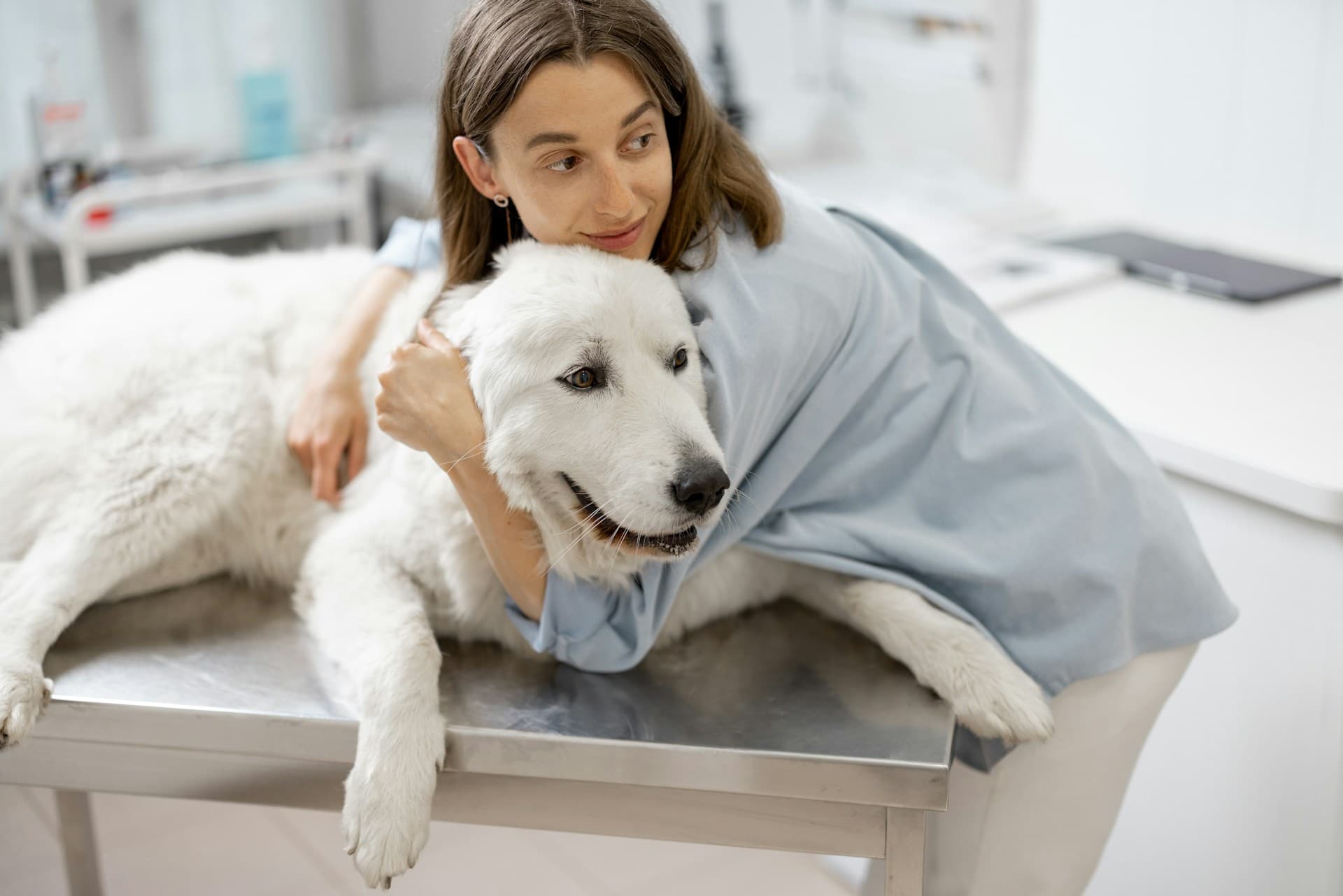
If someone you love is in a hospice or nearing the end of life in a care home, you may have seen or heard about therapy dogs visiting. Animal-assisted therapy is becoming more common in end-of-life care, but it's worth understanding what it actually involves, what it can and can't do, and what questions to ask before it happens.
- Animal-assisted therapy (AAT) usually means supervised visits from a trained dog and handler, offering comfort and companionship to someone who is seriously ill or dying.
- Evidence for AAT is encouraging but still limited. Most studies are small, so claims about lower blood pressure or pain relief should be seen as promising, not proven.
- In England, hospices and care homes are inspected by the Care Quality Commission (CQC), which looks at how well a service supports wellbeing — ask a service directly whether they offer AAT.
- Before any visit, check the service's policy on infection control, allergies and consent, and how the animal and handler are vetted.
- If live animal visits aren't possible, options include a resident's own pet visiting, a fostered-pet scheme, or a lifelike robotic animal.
What is animal-assisted therapy in a hospice or care home?
Animal-assisted therapy is a structured, supervised activity in which a trained animal — most often a dog, though sometimes a cat, rabbit or small pet — visits a person to offer comfort, calm and company. It's different from simply having a pet nearby. In a hospice or care home setting, visits are usually organised through a charity or volunteer scheme, with the animal and its handler assessed for temperament, health and behaviour before they're allowed to take part.
The aim isn't to treat an illness. It's to support wellbeing: to ease loneliness, offer a break from pain or worry, and give a person something gentle and familiar to focus on when much of their day may be taken up with medical care.
How can it help someone at the end of life?
Emotional and social benefits
Families and hospice staff often report that a visit from a therapy animal:
- Offers a welcome distraction from pain, worry or boredom
- Eases feelings of loneliness and isolation, particularly for people with few visitors
- Gives a sense of routine and something to look forward to
- Sparks conversation and memories — many people have had pets of their own, and talking about them can be comforting
- Can offer comfort to family members and staff too, not just the patient
Possible physical effects
Some research has looked at physical measures such as heart rate and blood pressure during animal contact, and found short-term calming effects in some people. It's reasonable to expect that a relaxed, contented person may show these signs. But you should be cautious about stronger claims — for example, that AAT reduces the need for pain medication. The evidence for this is much less settled, and any changes to pain management should always go through the clinical team, not be assumed from a therapy visit.
What does the research actually show?
Interest in AAT has grown steadily, and there's a reasonable body of small studies looking at human-animal interaction in palliative and hospice settings. Broadly, the picture is positive on wellbeing and mood, and more mixed and less conclusive on physical health outcomes. Many studies involve small numbers of patients, short follow-up periods, and settings that vary a lot from one hospice to another, which makes firm conclusions difficult.
In practice, this means AAT is best understood as a comfort-focused, person-centred addition to care — genuinely valued by many patients and families — rather than a clinically proven treatment with predictable effects. A good hospice or care home will be honest with you about this distinction rather than overselling it.
Is animal-assisted therapy available in UK hospices and care homes?
Availability varies a lot. Many UK hospices work with charities that supply vetted therapy dogs and trained volunteer handlers, and some care homes run similar schemes or keep a resident pet. Others don't offer it at all, often because of space, staffing, or the practicalities of infection control in a clinical setting.
If this matters to you or the person you're caring for, ask directly:
- Does the hospice or care home have an animal-assisted therapy scheme, or work with a therapy dog charity?
- How often do visits happen, and can you request one for a particular person?
- Can a person's own pet visit instead, and under what conditions?
The CQC inspects how services support people's wellbeing and personal preferences as part of its ratings. It's fair to raise AAT, or the lack of it, as part of a conversation about how personalised the care on offer really is.
What should you ask before a therapy animal visits a loved one?
A well-run scheme should be able to answer these questions clearly:
- Consent: Has the person (or their attorney under a lasting power of attorney, if they lack capacity) agreed to the visit?
- Health and safety: Is the animal vaccinated, health-checked and insured? Is the handler trained and background-checked?
- Allergies and phobias: Has the person been asked about allergies or a fear of animals?
- Infection control: What's the policy for people who are especially frail, immunocompromised, or have open wounds?
- Choice: Can the person or family decline or end a visit at any time, with no pressure to continue?
Ways to bring animal contact into end-of-life care
| Option | How it works | Good for | Things to check |
|---|---|---|---|
| Visiting therapy dog (charity scheme) | A vetted dog and trained handler visit on a set schedule, arranged through the hospice or a national charity | Patients without their own pet, or who enjoy variety | Handler training, health checks, insurance, frequency of visits |
| Resident or facility pet | A settled pet lives on-site and is available for contact day to day | People who like ongoing, familiar company | Who's responsible for care, hygiene and vet costs; allergy policy for other residents |
| Family pet visits | A person's own dog or cat is brought in by family, usually by prior arrangement | People who miss their own animal most | The home's visiting-pet policy, vaccination proof, timing and location |
| Robotic or animatronic pet | A lifelike device that responds to touch, sound or movement | Where live animals aren't possible, or for people who find real animals unpredictable | Cost, and whether the person actually finds it comforting rather than unsettling |
What if a hospice or care home doesn't offer it?
Not every service will have a scheme in place, and that's not necessarily a sign of poor care. If AAT matters to you:
- Ask whether family pets can visit instead — many services allow this with basic checks
- Contact local pet therapy charities directly; some will arrange occasional visits independently of the care setting
- Consider a robotic pet as a low-cost, low-risk alternative, particularly for someone in a shared room or with dementia
- Raise it with staff as part of the person's care plan — small personal touches like this are often easy to accommodate once someone asks
Frequently asked questions
Is animal-assisted therapy safe for people who are very frail or have a weakened immune system?
It can be, but it needs care. Any reputable scheme will have an infection-control policy and will check with clinical staff before a visit goes ahead for someone who is very unwell. If in doubt, ask the hospice's nursing team directly rather than assuming a general policy covers your relative's situation.
Can a family's own pet visit a hospice or care home?
Often, yes, subject to the service's policy — usually proof of vaccination, basic behaviour checks, and an agreed time and place. Ask the hospice or care home for their visiting-pet rules before you plan a visit.
Does animal-assisted therapy cost extra?
Where a hospice or care home runs its own scheme, it's usually included as part of the wellbeing activities on offer, often supported by charity volunteers rather than charged separately. Always check with the individual service, since arrangements vary.
What training do therapy animals and their handlers need?
Reputable schemes assess an animal's temperament and health, and require handlers to complete training covering hygiene, safeguarding and how to manage a visit sensitively around someone who is unwell or dying. Ask the scheme organiser what checks are in place before a visit is arranged.
Can animal-assisted therapy help someone with dementia who is also receiving end-of-life care?
Many families and care staff find that animals can reach people with dementia in ways conversation sometimes can't, offering calm and connection even when verbal communication is difficult. The Alzheimer's Society and NHS dementia guidance both cover wider approaches to comfort and wellbeing that can sit alongside AAT.
Who can I ask if I'm not sure what care and support a relative is entitled to?
A council needs assessment can identify what support is available, and organisations such as Age UK and Carers UK offer free guidance for patients and family carers. See how to apply for a care needs assessment on GOV.UK.
Keep reading

20 Amazing Crochet Beginner Ideas
Join the fun with these 20 amazing beginner crochet projects that will inspire your creativity and lead you to endless possibilities!

20 Amazing Crochet Blue Ideas
Join us as we unveil 20 amazing blue crochet projects that will inspire your creativity and elevate your crafting game!

20 Amazing Crochet Black Ideas
Marvel at these 20 amazing black crochet projects that will ignite your creativity and inspire your next crafting adventure! Discover your new favorite today.
Need personal guidance?
Talk to an advisor
Our care experts are here to help you make the right choice — for free.