20 Amazing Japanese House Decor Ideas You Need to See
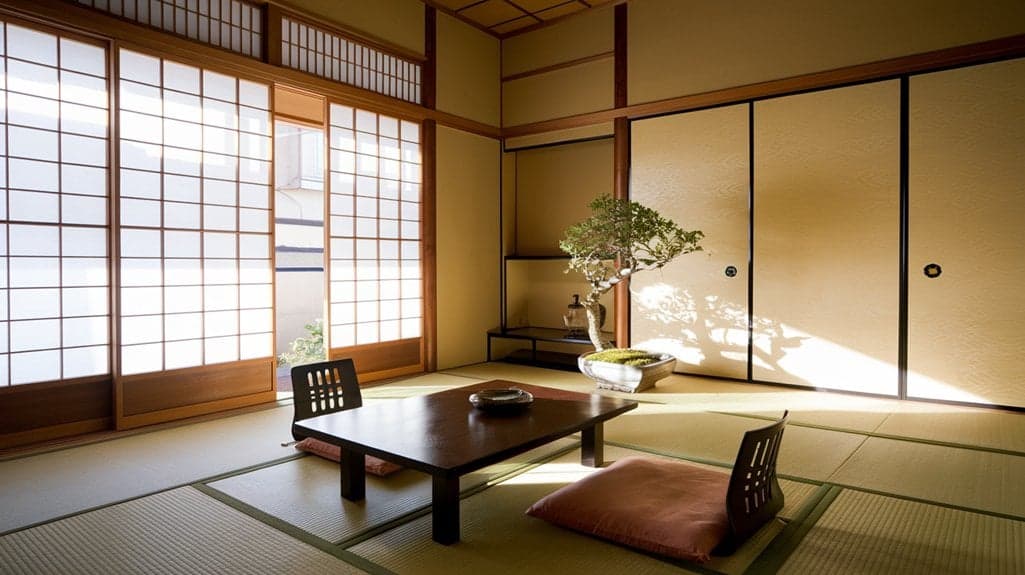
Transform your home into a serene Japanese sanctuary with beautiful design elements that blend form and function. You'll love the peaceful ambiance created by soft lighting through shoji screens, natural wood accents, and elegant tatami mat flooring. Low-profile furniture arrangements and clever storage solutions help maximize your space, while bonsai displays and traditional artwork add authentic character. Multi-functional rooms adapt to your needs, making every corner both practical and stunning. Let's explore these amazing Japanese decor ideas together.
Key Takeaways
- Incorporate sliding shoji screens and multi-functional spaces that transform from daytime living areas to cozy nighttime bedrooms effortlessly.
- Add built-in storage solutions with clean lines and concealed compartments to maintain a clutter-free, minimalist aesthetic.
- Use natural materials like untreated wood, bamboo screens, and tatami mats to create a peaceful connection with nature.
- Install floor-standing paper lamps and soft lighting fixtures to create magical shadows and enhance the tranquil atmosphere.
- Choose low-profile furniture with simple lines, complemented by neutral colors like warm beige and natural wood tones.
Shoji Screens and Sliding Doors

Shoji screens and sliding doors form the graceful backbone of Japanese interior design, creating an elegant flow between spaces while maintaining a sense of privacy. These beautiful room dividers feature delicate wooden frames with translucent paper panels that let natural light filter through, bringing a soft, warm glow to your home.
You'll love how these versatile elements can transform your space. They're perfect for defining areas in an open floor plan or creating temporary walls when you need them. The best part? You can easily slide them open to connect rooms or close them for intimate gatherings, making your home feel both spacious and cozy at the same time.
Following the wabi-sabi philosophy of Japanese design, these screens embrace both simplicity and the natural imperfections found in organic materials.
Tatami Mat Flooring

While sliding doors define the walls of Japanese homes, tatami mats create their soulful foundation. These traditional straw mats, woven from soft rush grass, bring warmth and comfort to every room they grace. You'll love how they feel beneath your feet, offering a gentle cushion with each step.
When you're planning your Japanese-inspired space, remember that tatami mats come in standard sizes and are arranged in specific patterns. They'll instantly transform your room into a serene sanctuary. Best of all, these natural mats release a subtle, sweet grass scent that'll remind you of peaceful meadows, making your home feel more connected to nature. Following the principles of Japanese interior styling, these mats perfectly complement other minimalist elements to create a tranquil living environment.
Low-Profile Furniture Arrangements

In keeping with traditional Japanese design, low-profile furniture creates an open, peaceful atmosphere that'll make your rooms feel twice their size. When you're arranging your space, consider these essential elements that'll transform your home into a serene sanctuary:
- Choose floor cushions (zabuton) and low tables (chabudai) for flexible seating
- Place furniture against walls to maximize open floor space
- Select platform beds that sit close to the ground
- Use stackable storage solutions that stay below eye level
- Incorporate folding screens (shoji) to divide spaces while maintaining flow
You'll love how this minimalist approach brings harmony to your living space, making every room feel more spacious and tranquil. This layout philosophy aligns perfectly with the concept of ma negative space, a fundamental Japanese design principle that emphasizes the beauty of emptiness.
Natural Wood Elements

Natural wood elements form the heart and soul of authentic Japanese interior design, bringing warmth and timeless beauty to your home. You'll discover the magic of untreated cedar, cypress, and pine in everything from exposed ceiling beams to sliding doors and window frames. These materials create a peaceful connection to nature that you'll love.
Consider adding wooden room dividers, bamboo screens, or a traditional wooden platform bed to your space. Don't forget about smaller touches like wooden serving trays, chopstick holders, and decorative boxes. The natural grain patterns and subtle variations in each piece will help create that serene, authentic Japanese atmosphere you're looking for. For a spa-like bathroom retreat, incorporate wooden open shelving to display minimalist accessories while maintaining clean lines and functionality.
Minimalist Storage Solutions

Japanese homes excel at making storage both beautiful and practical, building on the same clean simplicity you'll find in wooden elements. You'll discover clever solutions that transform your living space into a serene, clutter-free environment.
- Built-in cabinets with sliding shoji doors conceal belongings while adding architectural beauty
- Multi-functional furniture pieces like storage ottomans and platform beds with drawers
- Vertical storage systems that maximize wall space, perfect for small rooms
- Hidden compartments beneath tatami mats for seasonal items
- Modular closet organizers with adjustable shelving to adapt to your needs
When you embrace these storage ideas, you'll create a peaceful home that feels spacious and organized, regardless of its size. Similar to how craftsman bungalows feature built-in storage solutions, Japanese design prioritizes clever organization within compact spaces.
Zen Garden Features

While traditional gardens focus on vibrant flowers and manicured lawns, Zen gardens embrace a peaceful simplicity that you'll find deeply calming. You can create your own serene space with carefully arranged rocks, rippled sand patterns, and mindfully placed moss gardens.
Start with a small corner of your yard or even an indoor tray. Add fine gravel or sand that you'll rake in gentle patterns, representing flowing water. Position a few carefully selected stones to serve as focal points, and include elements like bamboo or a simple water feature. These thoughtful touches will transform your space into a meditation-friendly sanctuary that brings tranquility to your home.
Traditional Japanese Room Dividers

Moving from the outdoor serenity of Zen gardens, let's bring that same sense of peace inside with beautiful room dividers that'll transform your living space.
Traditional Japanese room dividers, known as shoji screens and fusuma panels, offer elegant solutions for creating flexible living areas while maintaining a peaceful atmosphere. You'll love how these versatile pieces can instantly change the feel of your home.
- Shoji screens filter natural light beautifully, creating a soft, warm glow
- Rice paper panels slide effortlessly on wooden tracks
- Traditional designs feature intricate geometric patterns
- Modern versions combine aluminum frames with contemporary materials
- Custom sizes guarantee a perfect fit for any room layout
These stunning dividers won't just separate your space – they'll add an authentic touch of Japanese elegance to your home.
Bamboo Accents and Decor

Because bamboo symbolizes strength and flexibility in Asian design, it's become one of the most beloved materials for creating a peaceful home atmosphere. You'll find bamboo elements can transform your space through beautiful window blinds, decorative room screens, and elegant plant holders.
Try incorporating bamboo place mats on your dining table, or add bamboo-framed mirrors to brighten your walls. For a striking accent, you can display bamboo stalks in tall vases, or install bamboo flooring for a natural, eco-friendly touch. Even small touches like bamboo drawer pulls and wind chimes can bring that sought-after zen feeling into your daily life.
Japanese-Style Lighting Fixtures

The gentle glow of Japanese lighting can transform your space just as beautifully as natural bamboo elements. You'll find that traditional Japanese fixtures create an atmosphere of serenity and warmth that's perfect for any room in your home.
- Shoji lamps with delicate rice paper screens cast soft, diffused light
- Hanging paper lanterns (chochin) add a festive, traditional touch
- Modern ceramic pendant lights with clean, minimalist designs
- Floor-standing lamps (andon) with wooden frames and washi paper
- Bronze or copper table lamps featuring geometric patterns
These lighting choices won't just illuminate your space—they'll create magical shadows and peaceful ambiance that'll make your home feel like a tranquil Japanese sanctuary.
Neutral Color Palette Choices

Japanese interior design embraces a soothing neutral color palette that you'll find both calming and sophisticated. Start with warm beige and cream tones for your walls, which create a perfect backdrop for traditional elements. You'll love how soft gray and gentle brown accents bring depth to your space while maintaining that peaceful atmosphere.
Don't shy away from incorporating pure white, which represents clarity in Japanese design, but balance it with natural wood tones. For a modern twist, you can add touches of charcoal or slate gray. These colors work together beautifully to create the serene, uncluttered environment that's essential in Japanese-inspired spaces.
Tea Room Design Elements

Building on these calming neutral tones, a traditional tea room brings timeless serenity to your home through mindful design elements. You'll find that creating this peaceful space isn't as complex as you might think, and it'll become your favorite spot for reflection and connection.
- Tatami mats create a soft, natural foundation perfect for kneeling or sitting
- A tokonoma alcove displays a carefully chosen scroll and seasonal flowers
- Low-height windows frame nature's beauty while allowing gentle light
- Simple bamboo screens divide space with elegant functionality
- A rustic water basin near the entrance cleanses both hands and spirit
Compact Kitchen Organization

Since modern homes often present storage challenges, smart organization in compact kitchens becomes essential for creating a harmonious Japanese-inspired space. You'll love how vertical storage solutions, like mounted magnetic knife strips and stackable containers, maximize your limited space while maintaining a clean aesthetic.
Consider installing sliding cabinet organizers and pull-out pantry shelves to make every inch count. Don't forget to embrace the Japanese principle of 'a place for everything' by using clear containers for dry goods and implementing drawer dividers. You'll find that these thoughtful storage solutions not only declutter your kitchen but also bring peace to your daily cooking routine.
Meditation Space Creation

Whether you live in a spacious home or a cozy apartment, creating a dedicated meditation space will transform an ordinary corner into your personal sanctuary. Your peaceful retreat should reflect traditional Japanese minimalism while incorporating elements that speak to your soul.
- Place a soft zabuton cushion on a bamboo mat for comfortable seating
- Add a small wooden shelf to hold incense, crystals, or meaningful objects
- Install soft, dimmable lighting or use natural candlelight
- Incorporate live plants like bamboo or bonsai for natural energy
- Hang a simple scroll or artwork featuring calming imagery
Japanese Bathroom Features

Traditional Japanese bathrooms bring a luxurious, spa-like atmosphere into your home while maintaining the simplicity and tranquility that's central to Japanese design. You'll love the deep soaking tubs, known as ofuro, which provide the perfect escape after a long day. Natural materials like bamboo, wood, and stone create a serene environment that connects you with nature.
Consider adding a shower seat made of hinoki wood, known for its soothing aroma, and install a small garden view window. Don't forget the essential elements of proper ventilation and built-in storage that keeps toiletries tucked away, preserving the clean aesthetic.
Natural Fiber Textiles

Moving from the serenity of Japanese bathrooms, the gentle touch of natural fiber textiles adds another layer of organic comfort to your home. You'll find these beautiful materials bring both warmth and authenticity to your living spaces, creating that perfect balance of tradition and comfort.
- Cotton tatami mats that feel incredible under your feet
- Soft linen noren curtains that gracefully divide your spaces
- Pure silk cushion covers that add elegance to any room
- Bamboo fiber throws that keep you cozy year-round
- Natural hemp table runners that bring earthy texture to dining areas
When you choose these natural fibers, you're not just decorating – you're creating a healthier, more peaceful environment that truly embraces Japanese design principles.
Indoor Water Elements

As gentle streams flow through Japanese gardens, indoor water features bring that same peaceful energy right into your home. You'll love how a small bamboo fountain can transform your living space with its soothing sounds and meditative presence. Try placing a tabletop waterfall near your reading nook, or add a stone basin with trickling water to your entryway. These water elements aren't just beautiful - they'll help maintain proper humidity and create a calming atmosphere that's perfect for relaxation. When you're choosing your water feature, look for designs that incorporate natural materials like bamboo, stone, or copper.
Bonsai and Plant Displays

Living Japanese bonsai trees stand as miniature masterpieces in your home, bringing nature's artistry to your indoor sanctuary. When you display these treasured plants alongside traditional elements, you'll create a serene atmosphere that captures the essence of Japanese design.
- Place your bonsai on a wooden stand near natural light
- Add moss gardens in shallow ceramic dishes for ground texture
- Combine bamboo plants with river stones for visual balance
- Display seasonal branches in tall, minimalist vases
- Create layers using plants of varying heights and textures
These thoughtful plant arrangements will transform your space into a peaceful retreat where you can connect with nature's gentle rhythms.
Japanese Art Placement

The art you choose for your Japanese-inspired home deserves careful, purposeful placement that honors traditional display principles. In Japanese design, you'll want to showcase one striking piece rather than clustering multiple artworks together. The tokonoma, a built-in alcove, is perfect for displaying a cherished scroll or ikebana arrangement.
When hanging art, position it at eye level and consider the room's natural flow. You'll find that less is more - a single, beautiful piece can create more impact than several competing elements. Don't forget to rotate your displays seasonally, keeping your space fresh and aligned with nature's rhythms.
Genkan Entryway Design

Creating a welcoming genkan, Japan's traditional entryway, sets the perfect tone for your entire home. This sacred transitional space serves as the bridge between the outside world and your peaceful sanctuary, where you'll gracefully remove your shoes and prepare to enter.
Transform your genkan into an authentic Japanese entryway with these essential elements:
- Install a sturdy step-up platform made of natural wood or stone
- Add a getabako (shoe cabinet) with clean lines and minimal design
- Place a small bamboo plant or ikebana arrangement for tranquility
- Include a decorative mirror for last-minute adjustments
- Provide comfortable slippers in neutral colors for guests
Multi-Purpose Room Solutions

Moving beyond the genkan, Japanese homes showcase brilliant space-saving wisdom throughout their interiors. You'll love how rooms transform seamlessly from day to night, with versatile spaces that serve multiple purposes. During the day, your living room can be a bright, open space for family gatherings, while at night, it converts into a cozy bedroom with futons stored in built-in closets.
Sliding shoji screens let you divide larger rooms into smaller spaces when needed, giving you flexibility to create a home office, dining area, or meditation space. Built-in storage keeps everything tidy, while low-profile furniture maximizes your room's potential.
Keep reading

20 Latest Crochet Neck Warmer Ideas To Try In 2025!
Link up with the 20 best crochet neck warmers that blend warmth and style—discover which designs will transform your winter wardrobe!

20 Amazing Crochet Jewelry Ideas
Amazing crochet jewelry ideas await you, featuring unique designs that will inspire your creativity and elevate your accessory game to new heights.

20 Amazing Crochet Kit Ideas
Navigate through 20 amazing crochet kit ideas that spark creativity and joy; discover the perfect project to ignite your crafting passion!
Need personal guidance?
Talk to an advisor
Our care experts are here to help you make the right choice — for free.