20 Amazing House Layouts Decor Ideas You Need to See
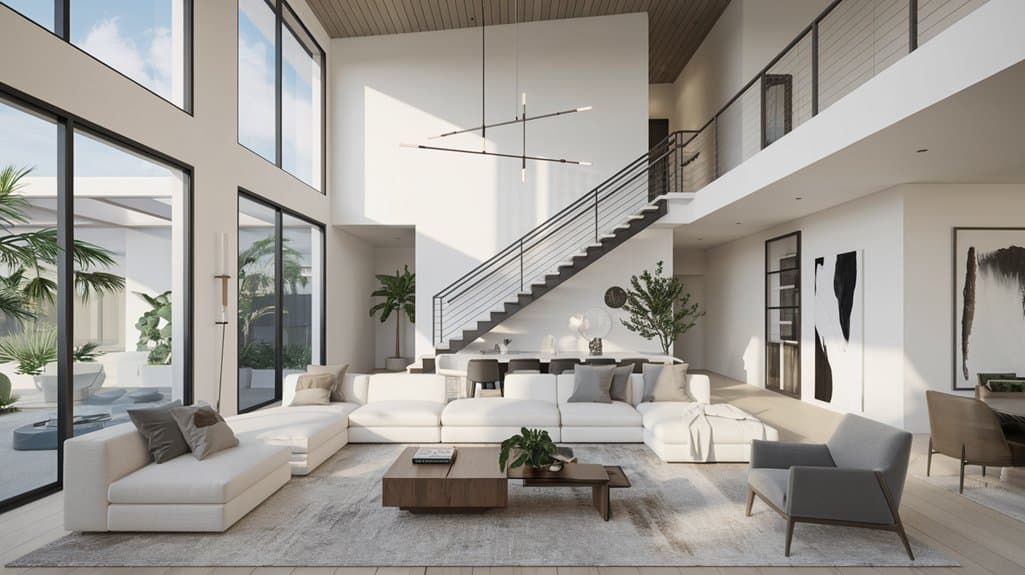
Transform your home into a stunning modern sanctuary with these game-changing layout ideas. You'll love how open-concept designs create seamless flow between rooms, while strategic furniture placement maximizes space and natural light. Smart storage solutions keep clutter at bay, and multi-functional spaces adapt to your needs - from cozy home offices to luxurious entertainment zones. With thoughtful touches like waterfall countertops and ambient lighting, your dream home's perfect layout awaits your personal touch.
Key Takeaways
- Create an open-concept living space by removing walls between kitchen, dining, and living areas for seamless flow and modern functionality.
- Position large furniture against walls and ensure 30-inch pathways throughout the home to maximize space and improve traffic flow.
- Install strategic storage solutions like floating shelves and pull-out pantry systems to maintain clutter-free, organized living spaces.
- Design a luxurious master suite with distinct zones for sleeping, dressing, and relaxation using strategic lighting and calming colors.
- Establish multi-functional spaces with convertible furniture and thoughtful layouts to accommodate both work-from-home and guest requirements.
Open-Concept Living: Breaking Down Walls With Style

While many traditional homes once featured distinct, separate rooms for every activity, today's open-concept living has revolutionized the way we think about our living spaces. You'll find that removing walls between your kitchen, dining room, and living area creates a seamless flow that's perfect for modern family life and entertaining.
To make your open-concept space work beautifully, you'll want to use area rugs, furniture placement, and lighting to define different zones. Don't forget to maintain a cohesive color scheme throughout to tie everything together. The result? A warm, inviting space where you can cook dinner while chatting with family or keep an eye on the kids while working. Consider incorporating waterfall countertops as a striking design element to seamlessly connect your kitchen with adjacent living spaces.
Multi-Functional Spaces That Transform

Building on the concept of open living, today's homes need to work even harder for us by serving multiple purposes. You'll love how these clever design solutions can transform your spaces into versatile areas that adapt to your changing needs throughout the day.
- Create a home office nook that doubles as a cozy reading corner, complete with a fold-down desk and comfortable seating that you can easily tuck away
- Transform your guest room into a stylish home gym with hidden storage solutions for exercise equipment
- Design a kitchen island that shifts from meal prep to homework station to entertaining space with adjustable lighting and movable seating
Strategic Furniture Placement for Flow

Once you understand the basic principles of furniture placement, you'll discover how effortlessly your home's flow can improve. Start by creating clear pathways that let you move freely between rooms, keeping at least 30 inches of walking space around major pieces. Position your largest furniture items against walls to maximize open space, and angle conversation areas to welcome interaction. Place your sofa where it's first seen when entering the room, and arrange chairs within easy viewing distance. Don't forget to take into account traffic patterns – your beautiful space should never feel like an obstacle course. Your home's flow will feel natural and inviting. Consider incorporating minimalist design elements to enhance the room's functionality while maintaining its aesthetic appeal.
Natural Light Maximization Techniques

Natural light transforms every room into a more vibrant, welcoming space that you'll love spending time in. To maximize sunlight in your home, you'll want to embrace strategic design choices that brighten your living areas and create an uplifting atmosphere.
- Position mirrors across from windows to reflect and multiply natural light throughout the room, making spaces feel larger and more open
- Choose light-colored, glossy paint for walls and ceilings to help bounce sunlight around the room
- Keep window treatments minimal and opt for sheer curtains that filter light without blocking it completely
These simple yet effective techniques will help you create a sun-filled sanctuary you'll cherish. Just like in strategic lighting solutions used in corporate spaces, proper natural light management can significantly boost mood and productivity in your home environment.
Statement Architectural Features

Dramatic architectural elements can transform an ordinary room into an unforgettable space that'll make your home truly distinctive. Consider adding a stunning spiral staircase, which creates an eye-catching focal point while connecting your floors with elegant flair. You'll love how exposed wooden beams bring warmth and character to your ceiling, while floor-to-ceiling windows frame your views like artwork. Don't forget about custom built-ins, which can seamlessly blend storage with style. A grand fireplace, complete with a floor-to-ceiling stone surround, adds both drama and coziness to your living space, making it perfect for gathering with loved ones. For added luxury, incorporate premium stair materials like marble, exotic woods, or glass to create an elegant transition between floors.
Smart Storage Solutions for Every Room

Clever storage solutions can transform your home from cluttered to calm, making every square inch work harder for you. When you maximize your space thoughtfully, you'll create a more organized and peaceful environment that brings joy to everyday living.
- Install floating shelves and wall-mounted organizers in your bathroom to keep toiletries tidy, while adding stylish baskets under the sink for extra supplies
- Create a pull-out pantry system in your kitchen's narrow spaces, perfect for storing canned goods and spices
- Utilize under-bed storage containers with wheels for seasonal clothing and extra linens, keeping your bedroom clutter-free and serene
Indoor-Outdoor Living Integration

By seamlessly connecting your indoor spaces with outdoor areas, you'll create a living environment that feels more expansive, invigorating, and in tune with nature. Install sliding glass doors that open onto your patio, or add floor-to-ceiling windows to maximize natural light and garden views. Consider extending your living room flooring to the outdoor deck, creating a smooth connection between spaces.
Choose weather-resistant furniture and fabrics that work both inside and out, making it easy to expand your entertaining area. Add potted plants indoors and create cozy seating nooks near windows to blur the boundaries between interior and exterior spaces.
Color Psychology in Room Design

The colors you choose for your rooms can profoundly influence your mood, energy levels, and overall well-being throughout the day. When you're planning your space, consider how each color creates different emotional responses and energy flows.
- Warm colors like red, orange, and yellow energize your space, making them perfect for social areas like kitchens and dining rooms
- Cool tones such as blue and green create calm, peaceful environments ideal for bedrooms and home offices
- Neutral shades like beige and gray provide versatile backdrops that you can easily accent with seasonal colors
Vertical Space Utilization Strategies

Making the most of vertical space in your home opens up countless possibilities for storage, decor, and functionality that you might've never imagined. From floor-to-ceiling bookshelves that showcase your favorite reads to hanging garden installations that bring nature indoors, there's so much potential above eye level. You'll love how floating shelves can display cherished collectibles while saving precious floor space, and don't forget about over-door organizers that'll keep your essentials within reach. Even your kitchen can benefit from vertical thinking – try mounting magnetic spice racks or hanging pot racks to transform unused wall space into practical storage solutions.
Energy-Efficient Layout Planning

When planning your home's layout with energy efficiency in mind, you'll discover countless ways to reduce utility bills while creating a more comfortable living space. Your thoughtful design choices can make a significant impact on both the environment and your wallet.
- Position your frequently used rooms on the south side to maximize natural sunlight, reducing the need for artificial lighting during daytime hours
- Create strategic buffer zones, like mudrooms or sunrooms, to regulate temperature transfer between indoor and outdoor spaces
- Design open-concept areas that allow for better airflow and natural ventilation, helping your heating and cooling systems work more efficiently
Luxurious Master Suite Arrangements
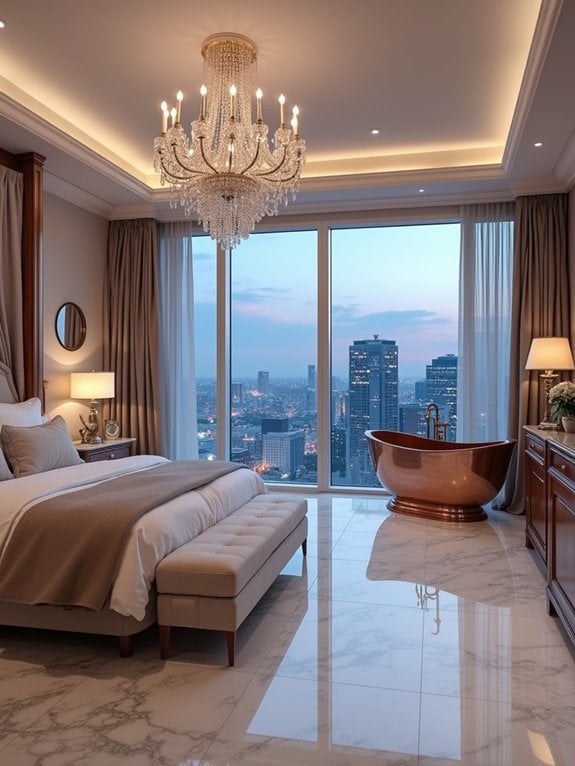
Creating your perfect master suite starts with understanding how to blend comfort and luxury into a harmonious retreat. You'll want to position your bed as the focal point, preferably facing the room's entrance while maintaining views of any windows. Consider creating distinct zones: a cozy seating area for reading, a peaceful dressing space, and a spa-like bathroom sanctuary.
Don't forget to incorporate soft lighting options, including bedside sconces and dimmable overhead fixtures. You can enhance the luxurious feel with plush area rugs, elegant window treatments, and a calming color palette. Remember, your master suite should reflect your personal style while providing the ultimate space for relaxation.
Entertainment Zone Creation

To transform your living space into an entertainment hub, you'll need thoughtful planning and smart furniture arrangement. Creating a welcoming atmosphere where friends and family can gather will make your home the perfect spot for memorable moments.
- Position your TV or projector screen as the focal point, with comfortable seating arranged in a semi-circle to guarantee everyone has a great view.
- Incorporate a stylish media console that conceals cables and houses gaming systems, while providing surface space for drinks and snacks.
- Add ambient lighting with dimmer switches and floor lamps, creating the perfect mood for movie nights or game sessions.
Work-from-Home Space Design

Since remote work has become a permanent part of many people's lives, designing a functional home office space isn't just a luxury - it's essential. You'll want to choose a quiet corner of your home with plenty of natural light and minimal distractions. Paint the walls in calming colors like sage green or soft blue to help you stay focused throughout your workday.
Consider investing in an ergonomic chair and height-adjustable desk to protect your body during long hours. Don't forget to add personal touches like inspirational artwork, a small plant, and proper task lighting to create a workspace that'll keep you motivated and productive.
Kitchen Triangle Optimization
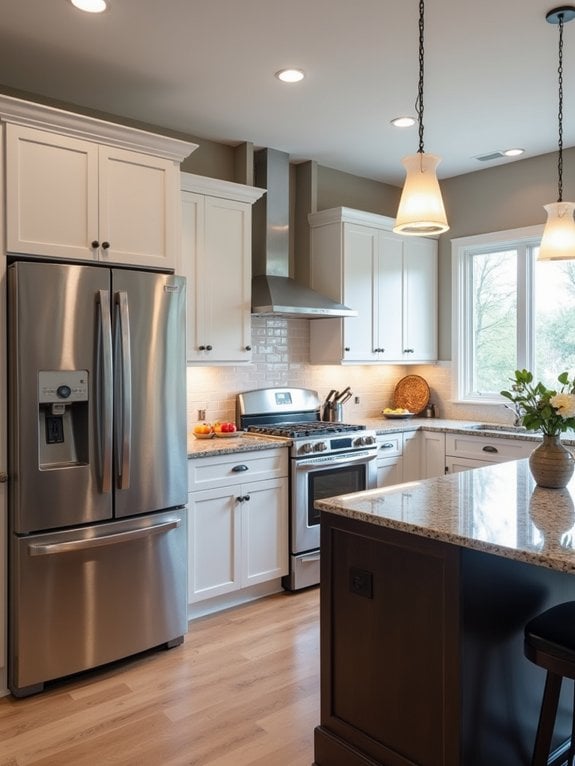
The classic kitchen work triangle connects three essential zones - your sink, refrigerator, and stove - creating an efficient cooking space that you'll love using every day. When you optimize this layout, you'll discover a more enjoyable cooking experience that makes meal prep feel effortless.
To create your perfect kitchen triangle:
- Keep the distance between each point between 4 and 9 feet
- Make sure the total distance of all three sides doesn't exceed 26 feet
- Avoid having major traffic paths cross through your triangle
Child-Friendly Room Planning

Moving beyond kitchen efficiency, creating safe and engaging spaces for children brings warmth and life to your home's design. You'll want to establish clear zones for play, study, and rest while keeping safety at the forefront of your planning. Round-edged furniture, secured storage units, and soft flooring are essential elements.
Consider installing adjustable elements that grow with your child, like height-marking wall decals and expandable desk spaces. Add colorful, washable fabrics and designated areas for creativity, including art stations and reading nooks. Don't forget to include smart storage solutions that make cleanup easy and fun, encouraging independence while maintaining order.
Guest Space Flexibility

Designing versatile guest spaces lets you maximize your home's potential while making visitors feel genuinely welcome. When you create adaptable areas, you'll always be ready for overnight guests without sacrificing everyday living space.
- Transform your home office with a sleek Murphy bed and built-in desk, creating a perfect dual-purpose room that switches from workspace to cozy guest quarters
- Install multifunctional furniture like ottoman beds or convertible sofas in your living room for unexpected stays
- Add thoughtful touches like folding screens, storage ottomans, and bedside tables with charging stations to help guests feel right at home
Minimalist Layout Principles

Because simplicity creates harmony, minimalist layout principles can transform your home into a serene and purposeful space. Start by choosing one focal point per room, letting it guide your furniture placement and design choices. You'll find that less truly becomes more as you maintain clear pathways and create breathing room between pieces.
Keep your color palette clean with no more than three main shades, and embrace negative space as your ally. Remember to store items thoughtfully, using built-in solutions that maintain clean lines. When you implement these principles, you'll discover a newfound sense of peace and order in your living space.
Texture and Pattern Layering

While minimalism embraces simplicity, layering textures and patterns adds depth and personality to your living spaces. You'll transform any room into a cozy, inviting sanctuary by thoughtfully combining different materials and designs that complement each other beautifully.
- Mix soft textures like plush throws, woven pillows, and natural fiber rugs to create a welcoming tactile experience
- Combine geometric patterns with florals or stripes, keeping them in the same color family to maintain harmony
- Layer window treatments by pairing sheer curtains with heavier drapes, adding both function and visual interest
Feng Shui-Inspired Room Arrangements

Once you understand the ancient principles of Feng Shui, you'll discover how the arrangement of your furniture and decor can create powerful energy flow throughout your home. Start by positioning your bed, desk, or sofa where you can see the door clearly, but not directly in line with it. This creates a commanding position that brings comfort and security.
Keep your spaces clutter-free and create clear pathways for energy to move smoothly. Place heavy furniture pieces against solid walls, and use pairs of items, like matching lamps or artwork, to promote balance and harmony in your living spaces.
Sustainable Design Elements

As you embrace eco-friendly living, incorporating sustainable design elements into your home can create a beautiful, earth-conscious space that you'll love spending time in. Your choices make a real difference for our planet while enhancing your living environment. Transform your home with these impactful sustainable elements:
- Use reclaimed wood flooring and furniture pieces to add warmth and character while reducing deforestation
- Install energy-efficient windows with natural fiber curtains to regulate temperature and reduce utility costs
- Choose low-VOC paints and natural finishes, paired with indoor plants that purify your air and brighten your space
Keep reading

20 Latest Crochet Neck Warmer Ideas To Try In 2025!
Link up with the 20 best crochet neck warmers that blend warmth and style—discover which designs will transform your winter wardrobe!

20 Amazing Crochet Jewelry Ideas
Amazing crochet jewelry ideas await you, featuring unique designs that will inspire your creativity and elevate your accessory game to new heights.

20 Amazing Crochet Kit Ideas
Navigate through 20 amazing crochet kit ideas that spark creativity and joy; discover the perfect project to ignite your crafting passion!
Need personal guidance?
Talk to an advisor
Our care experts are here to help you make the right choice — for free.